Car Amplifier Wiring Kits
Car amplifier wiring kits for vehicle audio installations, including power, ground, fuse, remote and speaker wire bundles and accessories. The category covers budget through mid-range kits (84 products, average price ~(price varies)) from brands like Gravity, KnuKonceptz and KICKER. Average customer rating is 4.5 stars
Top Products

BOSS 8 GA Car Amplifier Wiring Kit
BOSS Audio Systems
Budget
BOSS 4 Gauge Amplifier Wiring Kit for Car Audio
BOSS Audio Systems
Mid-Range
TOPSTRONGGEAR 4ga Amp Kit for car audio
TOPSTRONGGEAR
Budget
Recoil 4 Gauge Complete Wiring Kit with OFC RCA Cable
RECOIL
Budget
BOSS Audio 0 GA Wiring Kit for Car Amplifiers
BOSS Audio Systems
Mid-Range
KnuKonceptz Bassik 0 Gauge Amplifier Installation Kit
KnuKonceptz
Mid-Range
Gravity 3000W 4 Gauge Amplifier Installation Wiring Kit (Blue) 2pc
Gravity
Budget
DS18 8 Gauge Amp Kit for Car Audio
DS18
Budget
SoundBox T4AW-R 4 Gauge Amp Kit
SoundBox
Budget
0 Gauge CCA Amplifier Wiring Kit 3000W – Copper Clad Aluminum Power Cable with Fuse Holder & RCA
Welugnal
Budget
SoundBox 0/1 Gauge Amp Kit with Wiring Cables
SoundBox
Mid-Range
K-Series Complete 4-AWG Amplifier Connection Kit w/ 2-Channel RCA Interconnects
KICKER
Mid-Range
DS18 4 Gauge Amp Wiring Kit AMPKIT4
DS18
Mid-Range
CT Sounds 4 Gauge CCA Amp Wiring Kit AMPKIT-4GA-PRO
CT Sounds
Budget
RECOIL RCK44 4-Gauge Complete 4-Channel Amplifier Wiring Kit
RECOIL
Budget
SoundBox 0 Gauge Amp Kit for Subwoofers
SoundBox
Mid-Range
Elite Audio Entry Series 2000W Amp Install Kit (EA-OB04G)
Elite Audio
Budget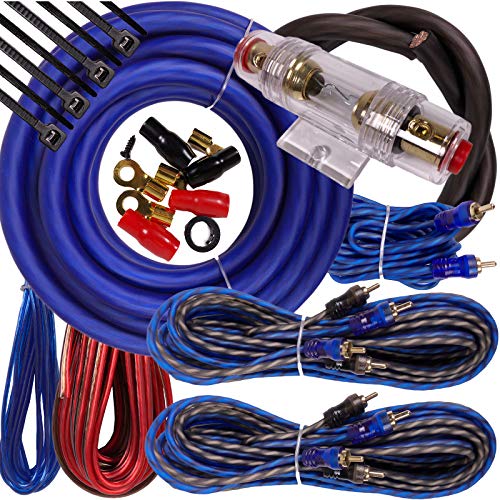
Gravity 4 Gauge Amplifier Wiring Kit with 2000W power cabling
Gravity
Budget
Belva 4 Gauge Amplifier Wiring Kit with RCA Cable (BAK42 RED)
BELVA
Budget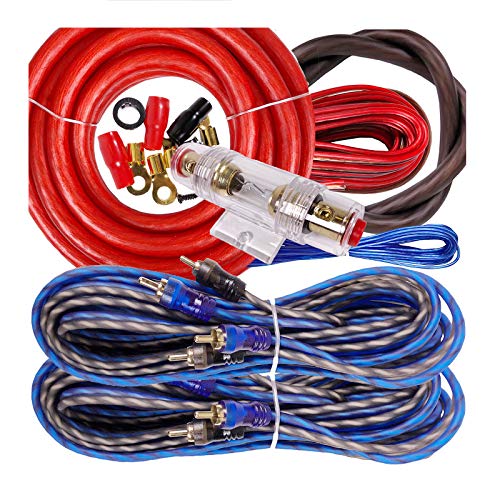
Gravity 4 Gauge Amplifier Wiring Kit 4-channel 2500W
Gravity
Budget
KnuKonceptz Kolossus 4 Gauge OFC Amplifier Kit
KnuKonceptz
Mid-Range
Gravity 3000W 4 GA Amplifier Wiring Kit PK2
Gravity
Budget
Rockville 2 gauge amplifier wiring kit
Rockville
Budget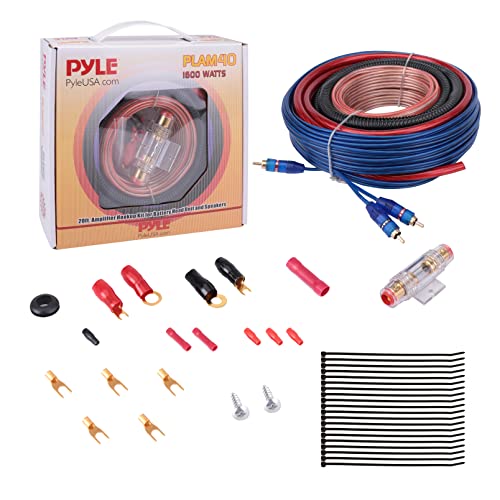
Pyle Car Stereo Wiring Kit 4 Gauge for Amp & Subwoofer
Pyle
BudgetRoundups
Frequently Asked Questions
How do I choose the right gauge power and ground wire for my car amplifier?
Match wire gauge to the amplifier’s peak RMS current draw and run length: common gauges are 4 AWG for high-power systems, 8 AWG for moderate systems, and 10–12 AWG for low-power setups; use a wiring gauge chart or the amp manufacturer’s recommendation and keep the ground wire the same gauge and as short as possible
What components are included in a typical car amplifier wiring kit?
Most kits include a power cable, ground cable, remote turn-on lead, inline fuse holder with fuse, RCA cables or speaker wire (sometimes sold separately), and basic connectors like ring terminals and butt crimps; higher-end kits may include distribution blocks, noise filters, or thicker gauge cables
How do I determine the correct fuse size and placement for amplifier wiring?
Choose a fuse rating equal to or slightly above the amplifier’s maximum continuous current draw (as specified by the amp), and place the inline fuse holder within 12–18 inches of the battery positive terminal to protect the entire cable run from battery-side short circuits
Can I use existing vehicle wiring for the amplifier ground or do I need a dedicated ground cable?
You should use a dedicated ground cable of the same gauge as the power wire and bolt it to bare metal on the vehicle chassis, avoiding painted surfaces and ensuring a short, solid connection rather than relying on factory grounding points that may not handle higher current
What are common causes of noise (hum, alternator whine) after installing an amplifier and how can I fix them?
Noise often comes from poor grounds, routed signal cables near power cables, or a ground loop; fix it by improving grounding, rerouting RCA/signal cables away from power lines, using quality shielded RCAs, and checking for loose connections or faulty components
How thick should speaker wire be, and when should I upgrade it for better performance?
Use 12–16 AWG for typical speaker runs under 20 feet; upgrade to 10–12 AWG for higher-power speakers, long runs, or low-impedance loads to reduce voltage drop and maintain power transfer
What installation tools and safety steps are recommended when wiring an amplifier?
Essential tools include wire cutters/strippers, crimpers, a multimeter, screwdrivers, and a drill for grommets; disconnect the battery before starting, route cables through grommets to avoid chafing, secure wires with zip ties, and double-check fuse placement before reconnecting the battery