Carburetor & Throttle Body Cleaners
Carburetor and throttle body cleaners for automotive maintenance, including aerosol sprays and concentrated solvents to remove deposits and improve fuel delivery. Ten indexed products average 4.63 stars with price tiers from about $40 to $175 and brands like NORTHWEST ENTERPRISES represented
Top Products

Sea Foam Spray Engine Intake Valve Cleaner SS14
Sea Foam
Mid-Range
Liqui Moly Jectron Gasoline Fuel Injection Cleaner (6 pk)
Liqui Moly
Mid-Range
Ultrasonic Cleaner Fluid for Carburetors and Engine Parts
NORTHWEST ENTERPRISES
Mid-Range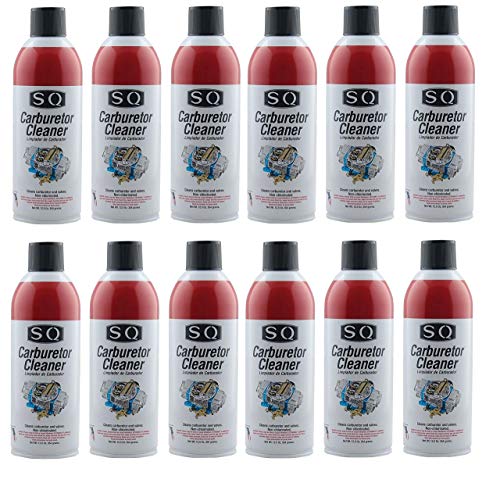
SQ Carburetor Cleaner 12 pack, 12.5 oz bottles
SQ
Mid-Range
Berryman Chem-Dip Carburetor Cleaner 0.75 gal
Berryman
Budget
KRAKEN BOND Non-Chlorinated Brake Parts Cleaner Spray, 12.3 fl oz (24 pack)
KRAKEN BOND
Mid-Range
Qucship 8X Concentrated Ultrasonic Carburetor Cleaner
Qucship
Mid-Range
Ultrasonic cleaner solution for carburetors & engine parts (4 gal)
NORTHWEST ENTERPRISES
Premium
KRAKEN BOND Non-Chlorinated Brake Parts Cleaner Spray (12.3 fl oz) 48 pack
KRAKEN BOND
Premium
SQ Carburetor Cleaner (36) for carburetor & choke cleaning
SQ
Mid-RangeRoundups
- Best Carburetor & Throttle Body Cleaners for Engine Part Degreasing (2026)
- Best Carburetor & Throttle Body Cleaners for Carburetor Cleaning (2026)
- Best Carburetor & Throttle Body Cleaners Under $200 (2026)
- Best Carburetor & Throttle Body Cleaners Under $100 (2026)
- Best Carburetor & Throttle Body Cleaners Under $50 (2026)
- Best Carburetor & Throttle Body Cleaners (2026 Guide)
Frequently Asked Questions
What is the difference between carburetor cleaner and throttle body cleaner, and which should I choose?
Carburetor cleaner is formulated to remove varnish, gum, and carbon deposits from carburetor jets and passages; throttle body cleaner is tuned to dissolve buildup on throttle plates and electronic sensors without leaving residue. Choose based on the part you're servicing—use carburetor cleaner for older carburetors and throttle body cleaner for throttle bodies and intake components on fuel-injected engines
How do I choose the right product for my vehicle and application?
Check the product label for compatibility with your fuel system (carbureted vs. fuel-injected), materials (aluminum, rubber, plastic, sensor-safe), and intended use (spray-can for spot cleaning vs. bulk for shop use). Prioritize formulas marked sensor-safe or non-corrosive if you’ll clean electronic throttle bodies or O2 sensor-proximate areas
Are there safety or ventilation considerations when using these cleaners?
Yes—use in a well-ventilated area, avoid inhaling fumes, wear gloves and safety glasses, and keep away from open flames because most formulas are flammable. Follow the product's SDS for first aid and spill instructions
Will these cleaners harm sensors, gaskets, or painted surfaces?
Some solvents can damage soft plastics, rubber, sensor coatings, and paint; look for products labeled safe for electronics, O-rings, and painted surfaces, and avoid prolonged contact. When in doubt, test on a small inconspicuous area or consult the vehicle manufacturer’s service guidance
How often should I clean a throttle body or carburetor?
Frequency depends on driving conditions and symptoms, but routine cleaning every 30,000–60,000 miles or when you notice rough idle, stalling, poor throttle response, or decreased fuel economy is common practice. Inspect components during scheduled maintenance and clean as needed rather than on a fixed schedule
What form factors and quantities are available, and how do they affect cost?
Products come in aerosol spray cans for single-unit or spot cleaning and larger cans or bulk containers for frequent shop use; aerosols are convenient but typically higher cost per ounce, while bulk options lower per-unit cost. Expect category pricing to span budget under $50 to higher-priced specialty or industrial sizes, with an average in the range of about (price varies)
Can I use these cleaners to clean other intake components like EGR valves or MAP sensors?
Many throttle-body cleaners and some carburetor cleaners can be used on EGR valves and intake passages, but avoid direct application to sensitive sensors unless the product states it is sensor-safe; follow manufacturer instructions and remove electronic sensors where recommended