Care Corrosion & Rust Inhibitors
Corrosion & rust inhibitors for automotive and garage use, including sprays, coatings, films, and cavity treatments to prevent or slow metal oxidation. The 128-product category averages a 4.54 rating and spans budget to premium options (average price about (price varies)), with brands like POR-15 and Fluid Film represented
Top Products
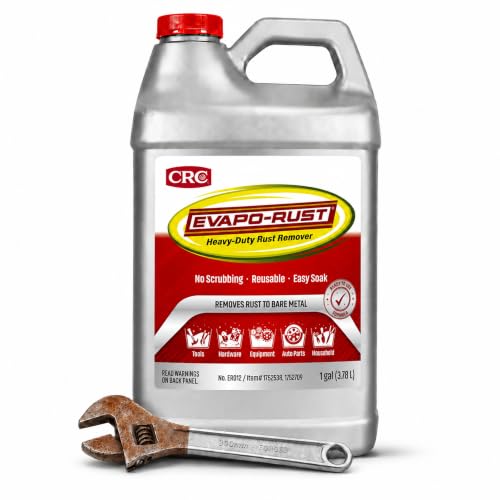
Evapo-Rust Heavy Duty Rust Remover 128 oz
Evapo-Rust
Budget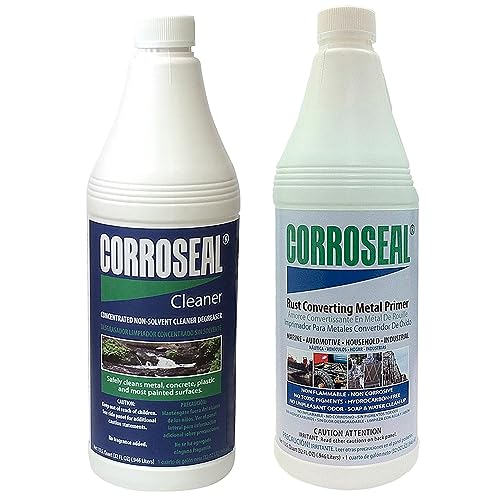
Water-Based Rust Converter & Metal Primer Kit
Corroseal
Mid-Range
Fluid Film Rust & Corrosion Protection Aerosol 11.75 oz (6 pack)
Fluid Film
Mid-Range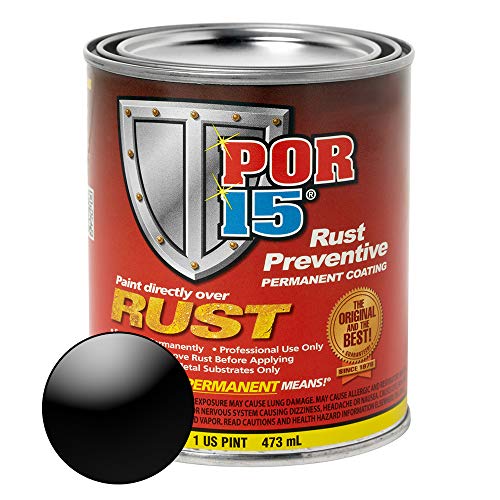
POR-15 Rust Preventive Coating - Gloss Black, 16 oz
POR-15
Mid-Range
Adam's Iron Remover 16oz (2 pack) for car, wheels & metal surfaces
Adam's Polishes
Budget
Ospho Metal Treatment Gallon
Fasciitis Fighter
Budget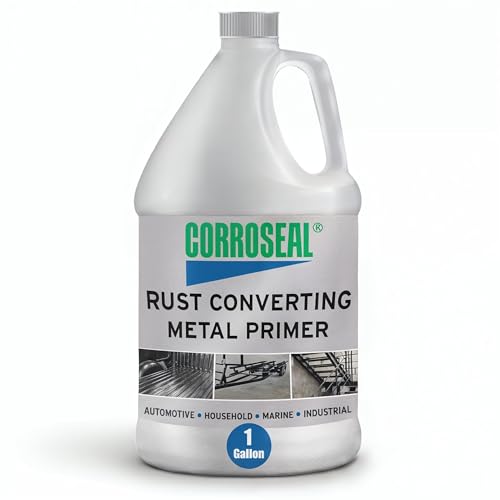
Corroseal Rust Converter & Primer for metal surfaces
Corroseal
Mid-Range
CorrosionX Heavy Duty Anti Rust Spray
CorrosionX
Budget
WD-40 Specialist Rust Remover Soak
WD-40 Specialist
Budget
POR-15 Rust Preventive Coating - 32 oz, Clear
POR-15
Mid-Range
POR-15 Rust Preventive Coating, 32 oz, Gloss Black
POR-15
Mid-Range
CorrosionX Aviation 80103 (16 oz) Ultra-Thin Film Coating
Corrosion Technologies
Budget
POR-15 Rust Preventive Coating 6-pack, gloss black, 4 fl oz
POR-15
Mid-Range
Fluid Film 11.75 oz Spray 3-Pack with Extension Wand and Tissue Pack
Fluid Film
Mid-Range
Eastwood Matte Black Rust Encapsulator Plus
Eastwood
Mid-Range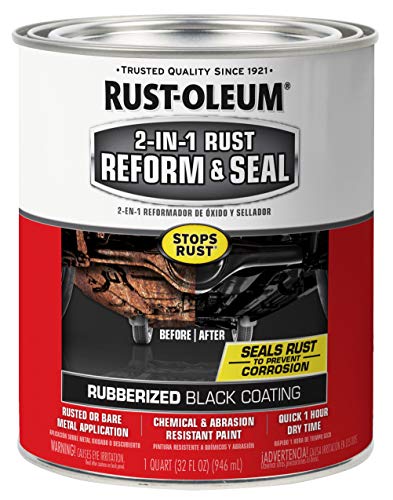
Rust-Oleum 2-in-1 Rust Reform & Seal, Quart, Black
Rust-Oleum
Budget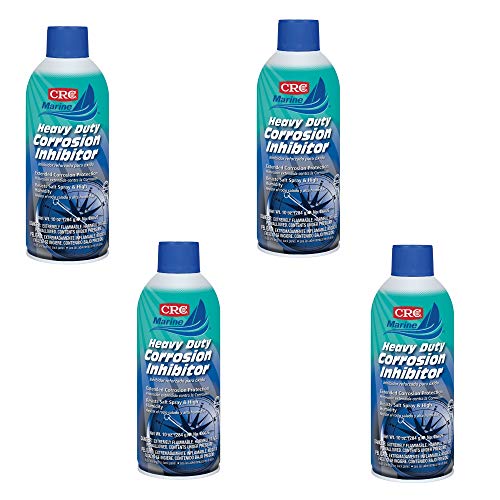
CRC Heavy Duty Corrosion Inhibitor, 10 Wt Oz - 4 PACK
CRC
Budget
STA-BIL Rust Stopper - Protects All Common Metals, Lubricates & Penetrates
STA-BIL
Mid-Range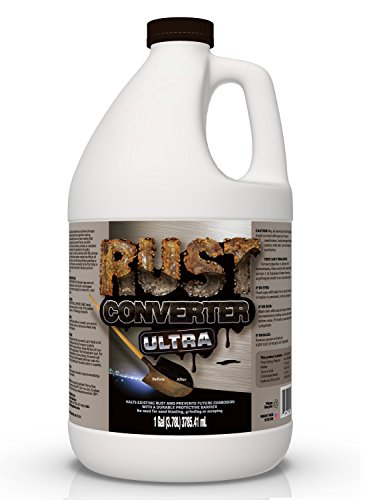
Rust converter spray for rust repair (1 gallon)
FDC
Mid-Range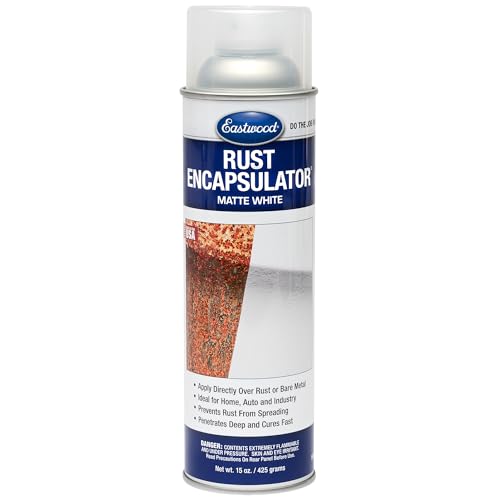
Eastwood Rust Encapsulator 15 oz aerosol
Eastwood
Budget
CorrosionX Rust Inhibitor: dielectric corrosion prevention spray
CorrosionX
Budget
Fluid Film Black Non-Aerosol Corrosion Lubricant
Fluid Film
Mid-Range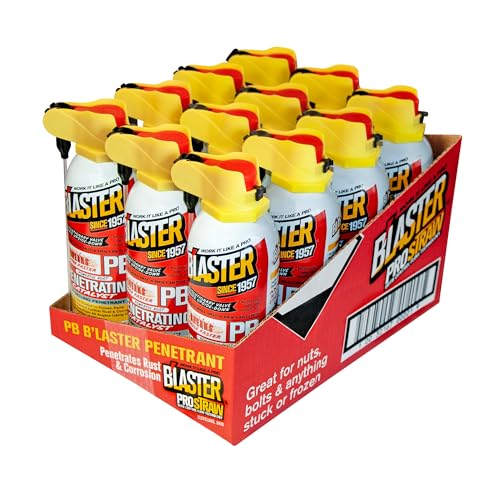
Blaster penetrating oil spray for rust and corrosion (11oz, case of 12)
Blaster
Mid-Range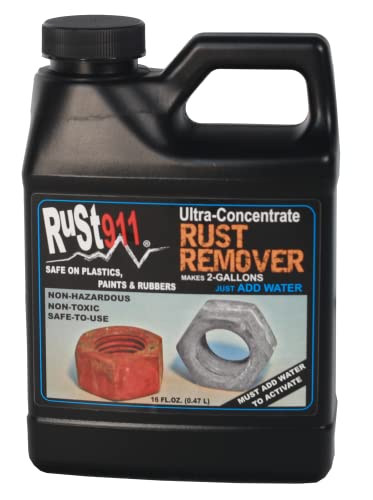
Rust remover dissolver ultra-concentrate 16 oz for rust removal
Rust911
BudgetRoundups
Frequently Asked Questions
How do I choose between spray, brush-on, and fluid corrosion inhibitors?
Choose spray inhibitors for fast, even coverage on exposed surfaces and hard-to-reach spots; brush-on or poured coatings for thick, long-lasting protection on seams, joints, and undercarriages; and thin fluids or wipes for internal parts, electrical connectors, and light lubrication where a low-viscosity product is needed
What rust inhibitor properties should I look for for automotive use?
Look for products that specify corrosion protection for steel/iron, adhesion to automotive metals, resistance to salt and moisture, and a suitable film thickness or penetration for the intended application; also consider temperature range and whether the product is paintable or removable if that matters for repairs
How long does corrosion protection typically last and how often should I reapply?
Protection life varies by product and environment: waxy or polymer coatings can last months to years on protected surfaces, thin oils or penetrants may require reapplication every few weeks to months; check the manufacturer's guidance and inspect high-exposure areas after winter or heavy salt exposure
Are there compatibility or prep steps I should follow before applying a rust inhibitor?
Yes—clean loose rust, oil, and dirt; remove flaking paint when possible; degrease surfaces and allow them to dry; use rust converters if required for heavily corroded areas; test compatibility with existing paint or coatings in an inconspicuous spot
What safety and disposal considerations apply to corrosion inhibitors?
Use gloves and eye protection, work in well-ventilated areas, and avoid inhaling aerosol sprays; follow label instructions for flammability and solvent exposure, and dispose of empty containers and unused product according to local hazardous-waste regulations
How do price and product type affect value for automotive rust prevention?
Lower-cost options under about (price varies) are often thin oils or small aerosol sprays good for spot treatment, while higher-priced products tend to be thicker coatings, larger-volume systems, or specialty formulations; match the product type and coverage quantity to the size and severity of the job rather than price alone