Detailing Tools
Detailing Tools covers brushes, microfiber towels, polishers, applicators, and pads for vehicle cleaning and paint care, with 21 products indexed and an average rating of 4.52. Prices range roughly $32–$139 (avg about (price varies)), spanning budget through mid-range options; top brands include The Rag Company
Top Products

Meguiar's Last Touch Spray Detailer 1 gal
Meguiar's
Budget
Clay Decontamination Towel - Fine Grade 12" x 12"
P & S PROFESSIONAL DETAIL PRODUCTS
Budget
Car cleaning gun detailing interior dryer air blow gun
PARAROSE
Budget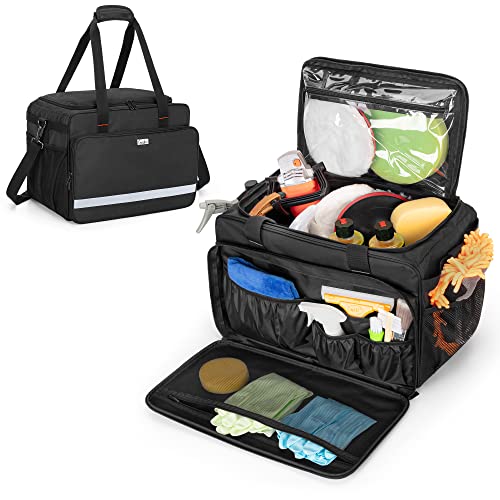
Samdew Large Detailing Bag - Auto Detailing Organizer
samdew
Budget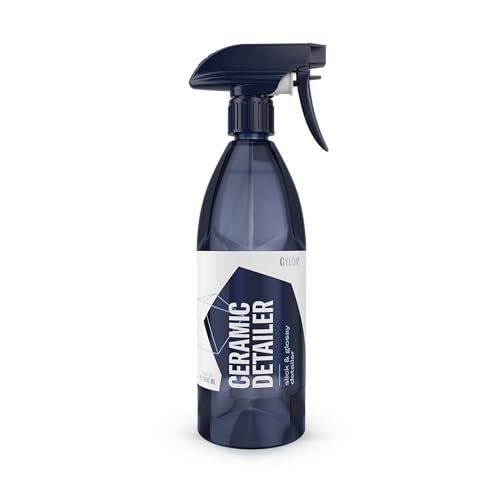
GYEON Ceramic Detailer 1000 ml - Ceramic Detail Spray
GYEON quartz Cloth
Budget
Car Cleaning Gun Kit for interior detail, 2 nozzles
phepetroll
Budget
Maxshine 5 Foam Pads Holder wall-mount organizer
MaxShine
Mid-Range
3 Pcs 12'' Fine Grade Clay Towel for Decontamination
Generic
Budget
Detailing Car Cleaning Gun for interior & exterior cleaning
PARAROSE
Mid-Range
HANDY High Pressure Car Interior Cleaning Gun
HANDY
Budget
iK Multi Pro 2 360 Sprayer - pressurized, upside-down spray
iK
Mid-Range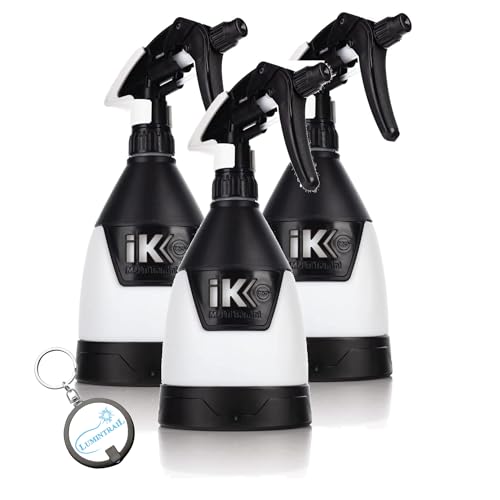
Lumintrail iK Sprayers Multi TR Mini 360 Trigger Sprayer Bundle
Lumintrail
Mid-Range
Tornado Detailing Car Cleaning Gun with Metal Nozzle
BGIYA
Budget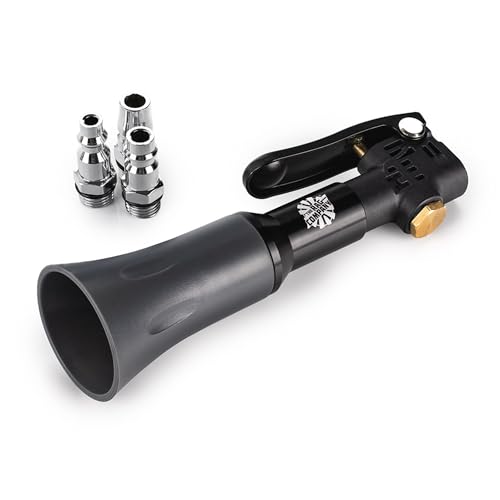
The Rag Company Ultra Air Blaster Mini
The Rag Company
Budget
Lumintrail iK Sprayers Multi TR Mini 360 Trigger Sprayers (3/5/12-Pack) Bundle
Lumintrail
Mid-Range
The Rag Company Ultra Air Blaster V2
The Rag Company
Mid-Range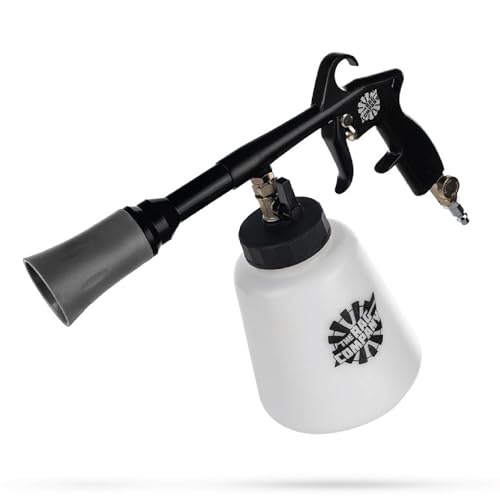
Ultra AIR Blaster Plus - Deep Interior Detailing Tool
The Rag Company
Mid-Range
Tornado Dry Cleaning Gun for Car Detailing
Generic
Budget
iK Goizper 5-Pack Trigger Sprayer, 35-oz, acid-resistant, adjustable nozzle
The Rag Company
Mid-Range
Auto detailing cart with wheels and 3-tier shelves
YITAHOME
Mid-Range
Adam's Polishes Portable Deionizer for water spots
Adam's Polishes
Mid-RangeRoundups
Frequently Asked Questions
How do I choose the right detailing tools for my needs?
Select tools based on the type of job (basic cleaning, paint correction, interior detailing), the surfaces you’ll work on (paint, glass, leather, trim), and your experience level; a basic kit typically includes microfiber towels, wash mitt, brushes, and applicator pads, while advanced kits add polishers and dual-action tools
What should I expect to pay for quality detailing tools?
Detailing tools span a broad range: budget accessory kits and single items are commonly under $50, mid-range multi-piece kits and power tools are often between (price varies) and several hundred dollars; average prices for common accessories in this category are typically around $50–60
Which materials and features indicate durable, effective detailing tools?
Look for tightly woven, high-pile microfiber for drying and polishing, dense foams for applicator pads, corrosion-resistant brush ferrules, and ergonomic, slip-resistant handles; for power tools prefer variable-speed motor and dual-action motion for safer paint work
How should I care for and store detailing tools to extend their life?
Rinse and machine-wash microfiber items separately without fabric softener, dry on low heat or air dry; clean brushes and pads after each use with appropriate cleaners, allow to fully dry before storing in a cool, dry place away from direct sunlight
Are specialist tools required for interior detailing versus exterior detailing?
Some tools are specialized: soft-bristled brushes and foam applicators are better for interiors and delicate surfaces, while wash mitts, grit guards, and polishers are geared toward exterior paint and wheels; many general-purpose accessories will work for both with proper technique
Can I use one set of microfiber towels for paint and interior surfaces?
To avoid cross-contamination, designate separate towels for exterior paint, wheels, glass, and interior surfaces; use color-coding or labeling to keep towels dedicated to each task and reduce the risk of transferring grit or chemicals
What safety precautions should I take when using power detailing tools?
Wear eye protection, gloves, and a dust mask if sanding or compounding; secure loose clothing and hair, start at low speed to test the tool’s effect on the surface, and follow manufacturer instructions for pads and compounds to avoid heat buildup or swirl marks