Electric Vehicle Charging Stations
Electric vehicle charging stations for home and garage use, including Level 1 and Level 2 hardwired and plug-in chargers, smart/programmable units, and portable EVSE accessories. Catalog spans budget through mid-range options (126 products, average price about (price varies)) with average user rating 4.46 and brands like Lectron commonly represented
Top Products

Imperial Tool Kwik Charge Liquid Low Side Charger
Imperial
Mid-Range
Level 2 Tesla Charger with 25ft cord, 240V, NEMA 14-50 plug
AIMILER
Premium
Lectron 16 ft EV Charger with J1772 Cable (120V, 15A)
Lectron
Premium
Level 1/2 EV Charger with 25ft cord and NEMA adapters
SEGUMA
Mid-Range
Level 1&2 EV Charger with 25ft cable
EVDANCE
Mid-Range
bokman 16A Level 1&2 EV Charger with 25ft Cable
bokman
Mid-Range
Grizzl-E Classic Level 2 EV Charger with 24 ft cable
Grizzl-E
Premium
Grizzl-E Classic 40A 240V EV charger, UL metal enclosure, indoor/outdoor
Grizzl-E
Premium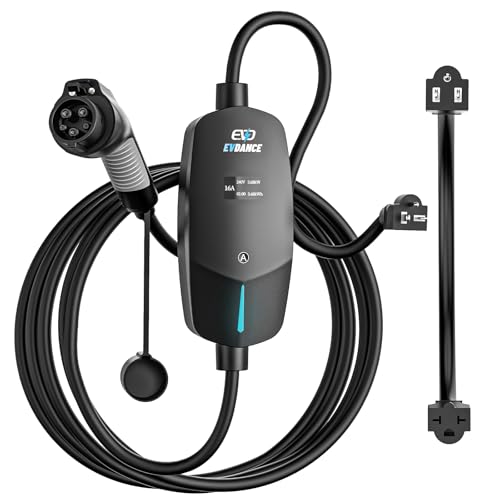
EV Charger Level 1/2 16A with 25 ft J1772 cable
EVDANCE
Premium
GODIAG Level 1+2 EV Charger with 20ft Cable
GODIAG
Mid-Range
Level 1/2 EV Charger with 25ft cord and NEMA adapters
SEGUMA
Mid-Range
Grizzl-E Classic Level 2 EV Charger (240V/40A) with metal enclosure
Grizzl-E
Premium
Portable EV Charger Level 1 15A 110V with 21ft cord
AplysiaTech
Mid-Range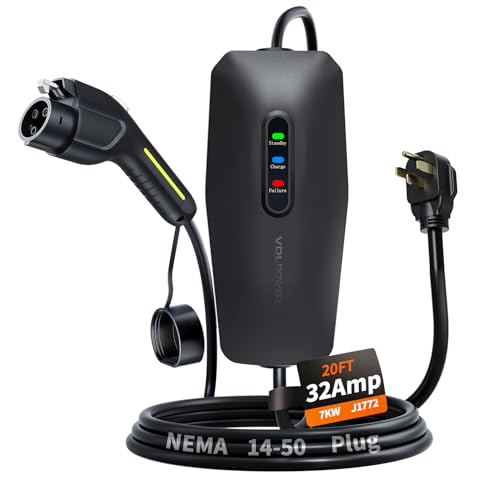
Level 2 EV Charger 32A/7KW with 20ft cable
VDLPOWERVP
Premium
Level 1/2 EV Charger, 16A 110-240V, 21 ft, SAE J1772
AplysiaTech
Premium
Lectron Level 1 Tesla Charger (WiFi) with 110V outlet
Lectron
Premium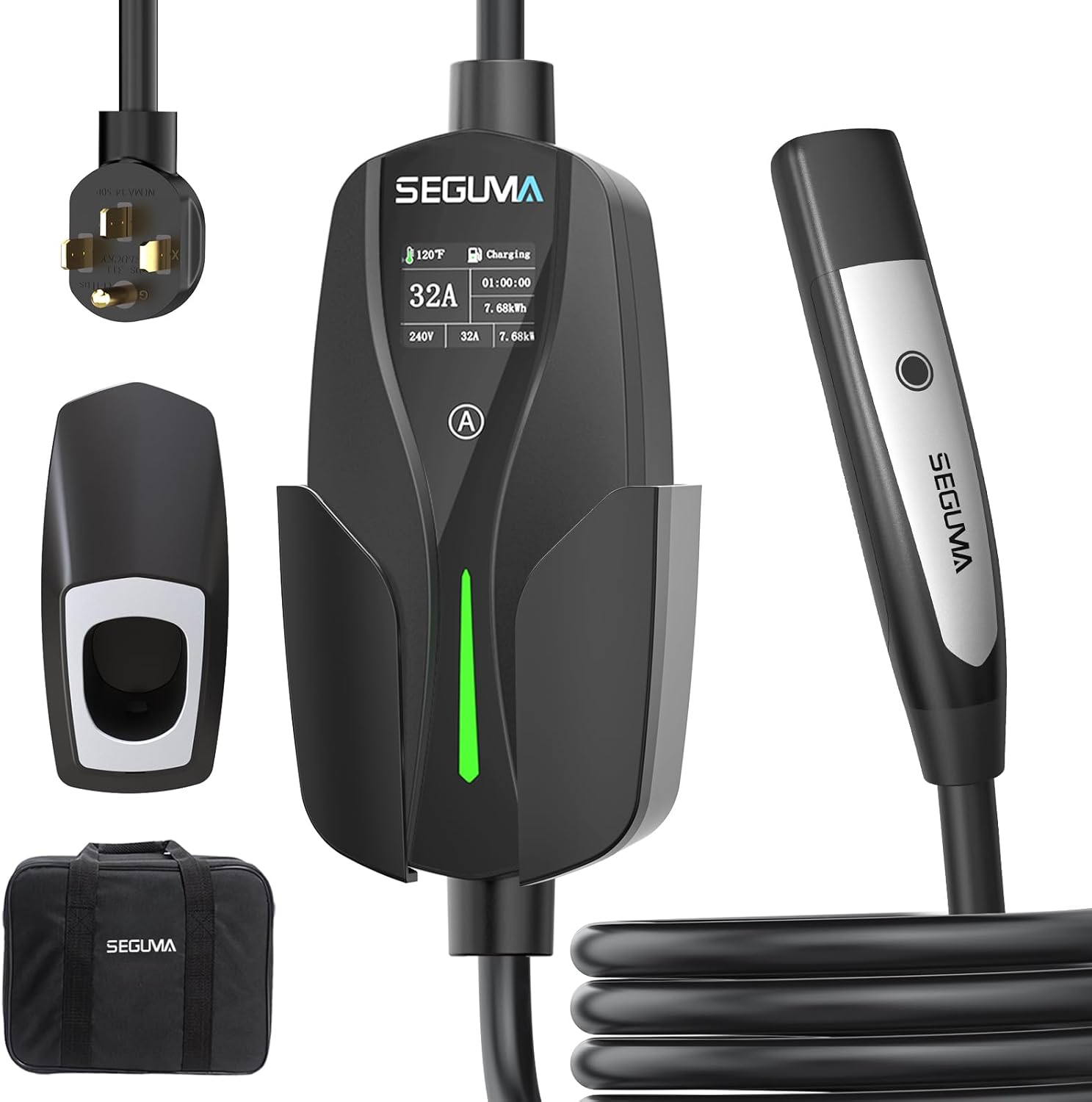
Level 2 EV Charger for Tesla 32A 240V NACS, 25ft portable
SEGUMA
Premium
Level 2 portable EV charger with 32A output
EVDANCE
Premium
EV Charger Level 1/2 with 25 ft J1772 cable
EVDANCE
Premium
Level 1/2 Tesla Charger with 16A 240V/120V adapters (NACS)
AIMILER
Premium
Lectron Level 1 Tesla Charger with 110V NEMA 5-15 plug
Lectron
Premium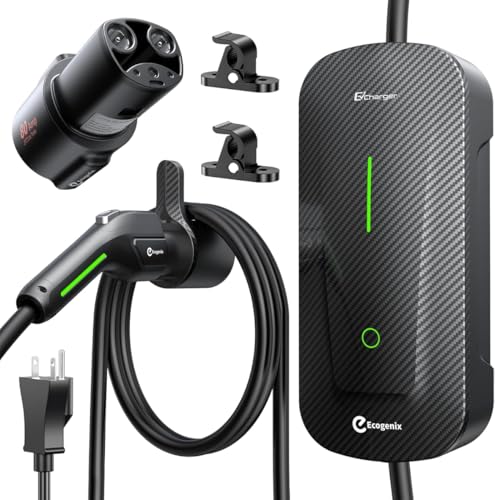
Ecogenix EV Charger Level 1&2 for Tesla (12A 110-240V) with 25 ft Cord
Ecogenix
Premium
EMPORIA Level 2 EV Charger with 48A hardwired install
EMPORIA
Premium
Portable Level 1&2 EV Charger with 16A Adjustable Current
BETUMODA
Mid-RangeRoundups
Frequently Asked Questions
How do I choose the right EV charging station for my vehicle and home?
Match the charger's plug type and power level to your vehicle (most US EVs use SAE J1772 for Level 2); confirm your vehicle's onboard charger maximum kW and select a station that meets or is below that rating, check whether you need a hard‑wired unit or a plug‑in (NEMA 14-50 or 6-50) based on your home's electrical capacity, and consider cable length, mounting options, and any required professional installation
What's the difference between Level 1 and Level 2 chargers and which is right for me?
Level 1 uses a standard 120V outlet and provides about 2–5 miles of range per hour—suitable for low daily driving or locations without upgrades; Level 2 uses 240V and delivers roughly 10–60+ miles of range per hour depending on amperage, making it the common choice for home and workplace charging when faster daily replenishment is needed
How much should I expect to pay for a residential EV charging station?
Home Level 2 chargers typically range from about $300 to $1,200 for the unit, with many mid‑range models around several hundred dollars; factor in additional costs for professional installation, which can vary widely depending on electrical upgrades, permits, and distance from the panel
What safety and electrical requirements should I consider before buying?
Ensure the charger has relevant safety certifications (e.g., UL or equivalent), verify your electrical panel can support the charger's continuous load (a dedicated circuit is usually required), follow local codes and obtain permits if needed, and use a licensed electrician for hard‑wired installations or for installing a 240V outlet
Do smart features (Wi‑Fi, apps, load management) matter and how reliable are they?
Smart features enable scheduling, energy monitoring, firmware updates, and integration with home energy systems; they are useful if you want remote control or time‑of‑use optimization, but basic charging functions still work offline on most units—check manufacturer support, app reviews, and update policies for long‑term reliability
How long do EV chargers last and what maintenance do they need?
Quality Level 2 chargers commonly last 5–15 years depending on use and environment; routine maintenance includes keeping connectors and cables clean and dry, inspecting for damage, ensuring firmware updates if supported, and replacing worn gaskets or connectors as needed
Are rebates, incentives, or tax credits available for installing a home charger?
Many jurisdictions and utilities offer rebates, low‑interest loans, or tax credits for residential EV chargers and related electrical upgrades, but availability, eligibility, and program details vary widely by location—check federal, state/provincial, and local utility programs before purchase and installation