Electrical System Tools
Electrical System Tools for Auto & Garage covers testers, multimeters, circuit tracers, and power probes used for vehicle electrical diagnostics and repairs. The 21 indexed products average a 4.60 rating and span mid-range pricing (about $36–$149); top brands include JRready among others
Top Products

Electrical Disconnect Pliers, 60 Degree
Lisle
Budget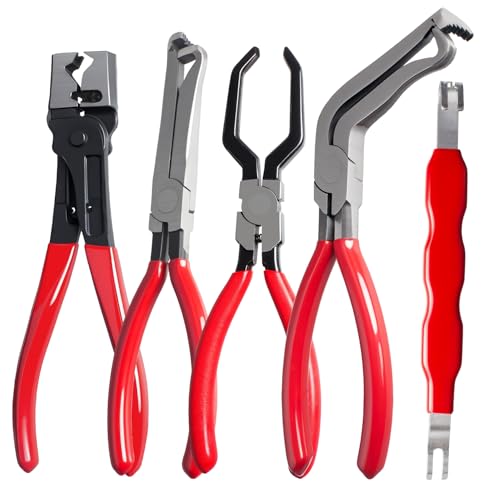
Electrical disconnect pliers for cars, 5-piece tool set
WAMEIJU
Budget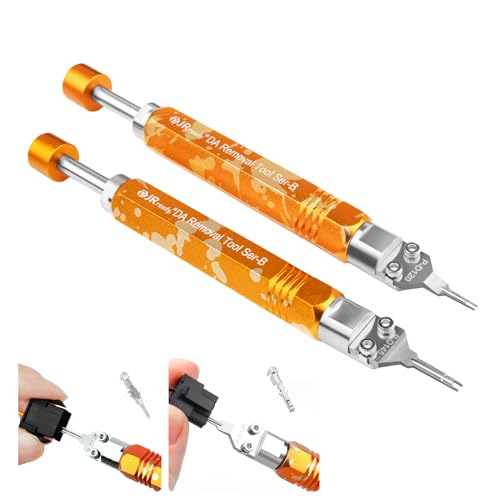
JRready ST5262 Molex Micro Fit Extractors (2Pcs) – Terminal Release Tool Kit
JRready
Budget
Performance Tool 3009 Cordless Automotive Relay Tester, 12V
Performance Tool
Mid-Range
Power Probe Amp Adapter Tip for Live Current - Automotive
Power Probe
Mid-Range
Automotive pin connectors kit with crimp tools, 900pcs
dakewang
Budget
Test Light Probe Kit: 3-72V DC LED Digital Automotive Tester
AWBLIN
Budget
JRready pin extractor tool kit with 7 replacement tips
JRready
Budget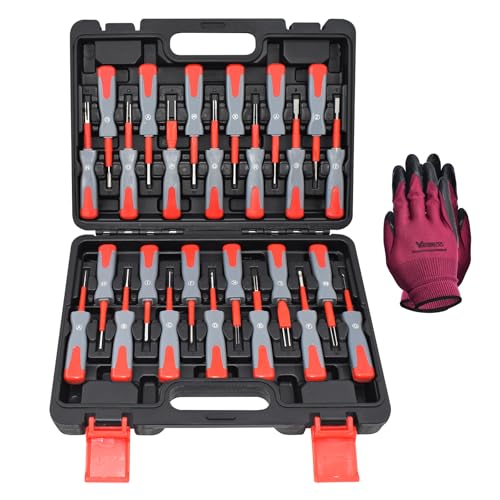
Universal Terminal Removal Tool Kit (26 pcs)
Yuesstloo
Budget
Power Probe III Clamshell - Red (PP3CSRED)
Power Probe
Premium
Automotive Relay Tester 4 & 5 Pin 12V Handheld DIY Car Tool
Sound Troubleshooting
Mid-Range
Automotive Relay Tester with Relay Puller (12V) – Diagnostic Tool
Sound Troubleshooting
Mid-Range
JRready Deutsch Connector Tool Kit for DT/DTM/DTP/DTV/HD
JRready
Mid-Range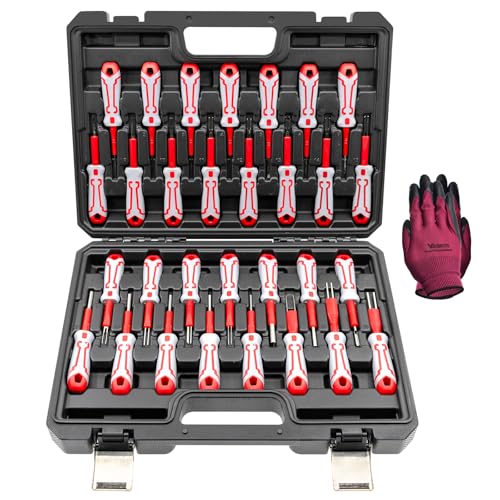
30 Pcs Terminal Removal Tool Kit for Wire Harnesses
Yuesstloo
Mid-Range
JRready JRDDS Pin Removal Tool Kit for Deutsch/Molex/AMP
JRready
Mid-Range
Newdeli Deutsch Connector Kit 2-12 pin with crimper and removal tool
Newdeli
Mid-Range
JRready Deutsch Connector Pins - 340pcs terminal kit for DTP/DT/DTM
JRready
Budget
Knoweasy DT Deutsch Connector Kit 338pcs (2/3/4/6/8/12-Pin) with Tools
knoweasy
Mid-Range
knoweasy 540PCS Deutsch DT Connector Kit with Removal Tool
knoweasy
Mid-Range
Deutsch DT Connector Kit 635Pcs with Removal Tool (16 AWG)
Flytuo
Mid-Range
Deutsch DT connectors kit with crimping tool
Flytuo
PremiumRoundups
Frequently Asked Questions
How do I choose the right electrical system tool for automotive diagnostics?
Pick a tool based on the tasks you need: multimeters and circuit testers for voltage/current/resistance checks, code readers for ECU diagnostics, and power probes for activating circuits. Consider supported voltage range (12–24V common), probe tips, safety ratings (CAT II/III), and compatibility with your vehicle's connectors
What features should I look for if I want both basic and advanced electrical testing?
Look for a digital multimeter with auto-ranging, true RMS, continuity buzzer, and temperature measurement for broad use; a code reader with live data and freeze-frame for ECU work; and an adjustable power probe or lab-style bench supply for circuit activation and controlled testing
How much should I expect to spend on reliable electrical system tools for a home garage?
Entry-level tools suitable for DIY tasks often cost under $50, mid-range units with more functions are commonly $50–$150, while professional-grade testers and advanced scan tools can run several hundred dollars. The average price across similar kits is around $70
What safety precautions and maintenance do these tools require?
Always disconnect power when possible, observe correct polarity, use tools rated for the vehicle voltage, and wear eye protection. Maintain tools by keeping leads and probes clean, storing them dry, replacing damaged insulation or batteries, and calibrating multimeters periodically if specified by the manufacturer
Can a single tool replace multiple devices like a code reader, multimeter, and power probe?
Some multi-function tools combine multimeter functions and OBD-II code reading, but specialized tasks like controlled power probing or high-current testing still benefit from dedicated devices. Evaluate whether integrated features meet your accuracy, voltage/current range, and connector needs
What connectors and adapters should I check for compatibility with my vehicle?
Ensure the tool includes or supports common automotive connectors such as OBD-II, alligator clips, back-probing pins, and SAE connectors; for older or foreign vehicles, check for manufacturer-specific adapters or separate harnesses
How do I verify accuracy and reliability before relying on results for repairs?
Compare readings with a calibrated multimeter, test known-good circuits for baseline behavior, review tool specifications like accuracy percentage and resolution, and consult user reviews or technical documentation for consistency across units