Garage & Shop Fluid Evacuators
Garage & Shop Fluid Evacuators covers manual and powered pump systems, siphons, and vacuum-based extractors for removing oil, coolant, brake fluid and other automotive liquids. The 48-product category averages a 4.39 rating with price tiers from about $33 to $308, featuring brands like Mityvac among others
Top Products

Mityvac 7oz Fluid Evacuator Syringe
Mityvac
Budget
Mityvac 1.5L Fluid Evacuator & Dispensing Syringe
Mityvac
Mid-Range
A1102EH4 5 Piece Oil Nylon Tube Hose for Pneumatic/Manual Oil Changer
FIRSTINFO TOOLS FIT YOUR NEEDS
Budget
EWK oil extractor pump for automotive fluids (dual-mode)
EWK
Mid-Range
EWK 6L Vacuum Oil Extractor
EWK
Mid-Range
Manual oil extractor pump for oil change
EWK
Mid-Range
SWANLAKE 7L Pneumatic/Manual Fluid Extractor Pump
SWANLAKE GARDEN TOOLS
Mid-Range
Transmission Fluid Transfer Pump 3L by KUKZO
KUKZO
Budget
FOUR UNCLES 6.5L manual oil extractor pump
FOUR UNCLES
Mid-Range
FOUR UNCLES 6L Manual Oil Extractor Pump with hoses and tubes
FOUR UNCLES
Mid-Range
VEVOR 6.5L Manual Fluid Extractor Pump
VEVOR
Mid-Range
OEMTOOLS manual fluid extractor pump, 1.4 gallon
OEMTOOLS
Mid-Range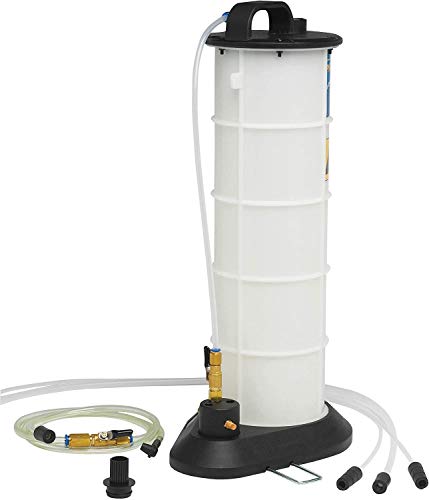
Mityvac MV7300 Pneumatic Vacuum Pump
Mityvac
Mid-Range
FOUR UNCLES 6L Oil Extractor Pump with hoses and tubes
FOUR UNCLES
Mid-Range
FOUR UNCLES 6.5L Oil Extractor with Tubes & Brake Hose
FOUR UNCLES
Mid-Range
Orion Motor Tech 3L transmission fluid pump with 12 adapters
Orion Motor Tech
Mid-Range
Manual fluid extractor pump with dipstick adapters
OEMTOOLS
Mid-Range
VEVOR 6.5L Pneumatic/Manual Oil Extractor Pump
VEVOR
Mid-Range
FOUR UNCLES 6.5L oil extractor with tubes and brake hose
FOUR UNCLES
Mid-Range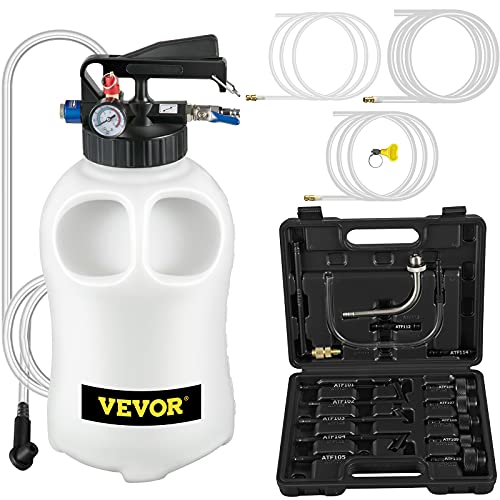
VEVOR 2-Way ATF Transmission Fluid Pump with 14 Adapters
VEVOR
Mid-Range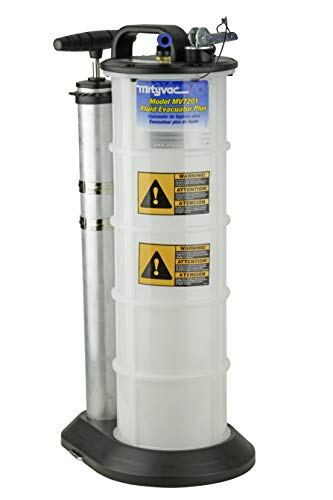
Mityvac 7201 fluid evacuator and dispenser
Mityvac
Mid-Range
FOUR UNCLES 3L Transmission Fluid Pump with 12 ATF Adapters
FOUR UNCLES
Mid-Range
LainKeen 6.5L Oil Fluid Extractor Pump Kit
LainKeen
Mid-Range
EWK 10.5L Pneumatic/Manual Oil Extractor Pump
EWK
Mid-RangeRoundups
Frequently Asked Questions
What types of fluid evacuators are available and which should I choose for automotive use?
Common types include manual hand pumps (syringe or piston-style), vacuum-operated reservoirs, and electric/battery-powered pumps. For occasional DIY maintenance a manual or small vacuum evacuator is usually sufficient; for frequent shop use choose a larger-capacity vacuum or electric unit for faster, continuous operation
What capacity and hose size do I need for oil changes and other garage fluids?
Choose capacity based on service frequency: small units (1–3 liters) work for single oil changes, while 5–20+ liter tanks suit repeated shop use. Hose diameter and length should match the fluid type—narrow hoses can extract through dipsticks for oil, while wider hoses are better for thicker fluids and faster flow
Are there compatibility or material considerations for different fluids (engine oil, coolant, brake fluid, transmission fluid)?
Check chemical compatibility: many evacuators are rated for petroleum-based fluids and some for glycol-based coolants; brake fluid is hygroscopic and may require a dedicated system or thorough cleaning after use. Look for materials like chemical-resistant plastics, rubber, or aluminum if you plan to handle aggressive fluids
How durable and serviceable are these products, and what maintenance do they require?
Durability depends on build quality—metal-bodied and reinforced plastic units last longer under heavy use. Regular maintenance includes cleaning hoses, replacing seals or O-rings, draining and flushing the reservoir after each fluid type, and checking fittings for leaks to maintain suction and prevent contamination
What safety and environmental precautions should I follow when using a fluid evacuator?
Wear gloves and eye protection, work in a well-ventilated area, and avoid sparks around flammable fluids. Use labeled containers, store drained fluids securely, and dispose or recycle used fluids in accordance with local hazardous-waste regulations
How much should I expect to spend and what features affect price?
Prices range from budget options under $50 for simple hand pumps to several hundred dollars for large-capacity or electric shop-grade units; average prices cluster around the mid-range. Factors affecting cost include tank capacity, pump type (manual vs. electric), materials, included accessories, and brand reputation
Can I use one evacuator for multiple fluids or should I have separate units?
Using one evacuator for multiple fluids is possible if you thoroughly clean and flush the system between uses, but cross-contamination risk and residuals—especially with sensitive fluids like brake fluid—often make separate designated units preferable for shops and frequent users