Grease Guns
Grease guns for automotive and garage maintenance, including manual, battery-powered, and pneumatic models for chassis, bearings, and fittings; price range spans budget through premium (avg ~(price varies)) and top brands include LockNLube
Top Products

LockNLube Grease Gun Coupler XL
Gurtech
Mid-Range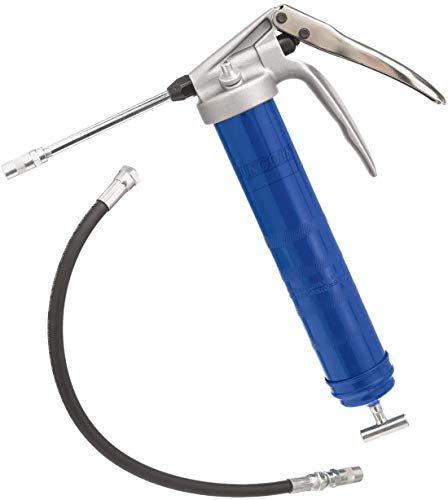
Lincoln 1134 Pistol Grip Grease Gun with 18" Hose & 7500 PSI
Lincoln
Mid-Range
Lincoln 1147 Lever-Action Grease Gun with 18in Whip Hose
Lincoln
Mid-Range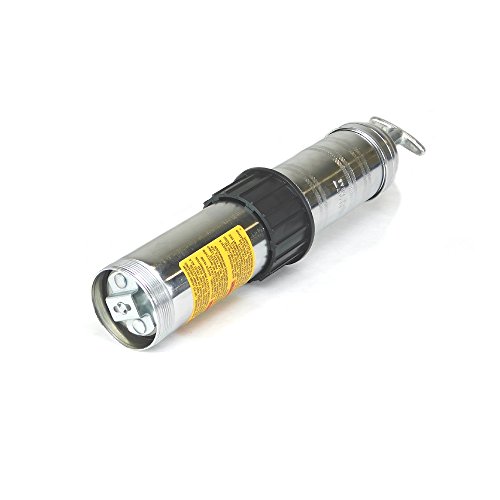
DeWalt grease tube N365763 for DCGG570/DCGG571
DeWalt
Mid-Range
Thorstone 7000PSI Grease Gun Kit with Loop & Lock Storage
Thorstone
Budget
LockNLube 8-Piece Quick Connect Greasing Accessory Kit
LockNLube
Mid-Range
Worlds Smallest Grease Gun Coupler Kit
OKYOUK
Budget
LockNLube Heavy-Duty Pistol Grip Grease Gun
LockNLube
Mid-Range
LockNLube Heavy-Duty Pistol Grip Grease Gun
LockNLube
Mid-Range
LockNLube Lever Grip Grease Gun
LockNLube
Mid-Range
Grease Joint Rejuvenator Kit for Flushing Hardened Grease
Innovative Products of America
Mid-Range
LockNLube Grease Fitting Replacement Kit (SAE & metric)
LockNLube
Mid-Range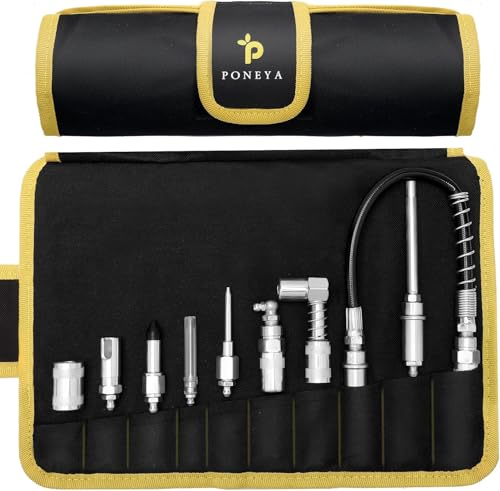
Grease Gun Couplers 9-Pc Set with 12" Flex Hose & Case
PONEYA
Budget
Grease Gun Coupler Kit with 90° Adapter & Needle Tip
LANNIU
Budget
Lincoln 1133 Pistol Grip Grease Gun with 18" Hose
Lincoln
Mid-Range
Grease Joint Rejuvenator Master Kit (Patented) by Innovative Products of America
Innovative Products of America
Mid-Range
Lincoln 1162 Pneumatic Grease Gun with 30in High-Pressure Hose
Lincoln
Mid-Range
THINKWORK 8000 PSI Grease Gun Kit with 0.53" Coupler
THINKWORK
Budget
Milton S-3101 Pistol Grease Gun, 7,000 PSI
Milton Industries
Budget
DEWALT 20V MAX Grease Gun Kit with Battery and Charger (DCGG571M1)
DEWALT
Premium
DEWALT 20V MAX cordless grease gun with two batteries
DEWALT
Premium
Grease Buster - The Original (USA) by LockNLube
Grease Buster
Mid-Range
LockNLube pressure return valve for cordless grease guns
LockNLube
Mid-Range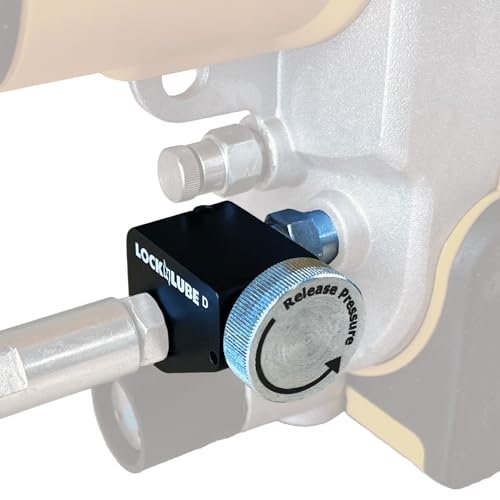
LockNLube Pressure Return Valve for cordless grease guns
LockNLube
Mid-RangeRoundups
Frequently Asked Questions
How do I choose the right type of grease gun for automotive and garage use?
Choose by drive type (lever for high pressure and manual control, pistol/ratchet for general-purpose ease, and pneumatic/electric for frequent or heavy-duty jobs), grease capacity (cartridge vs. bulk), required pressure (psi) for your fittings, and compatibility with common grease viscosities (NLGI grades 0–2)
What grease type and NLGI grade should I use with a grease gun for vehicles?
Most automotive bearings use NLGI grade 2 multipurpose lithium or lithium-complex greases; use lower NLGI (0–1) for cold conditions or centralized systems. Always follow the vehicle or equipment manufacturer’s spec for thickener and additives
How much should I expect to spend and what affects price?
Grease guns range from budget hand models under $50 to professional pneumatic/electric units several hundred dollars; price reflects drive type, build quality (metal vs. plastic), pump pressure, and included accessories like hoses and couplers. The category average is around $100
What maintenance and care do grease guns need to ensure reliable performance?
Keep couplers and hoses clean and capped to prevent contamination, purge air from the gun after filling, inspect seals and replace worn couplers, and store cartridges upright in a cool, dry place; follow manufacturer instructions for periodic lubrication and seal replacement
Can I use bulk grease with a cartridge-style grease gun, and how do I load it?
Yes—many cartridge guns accept bulk filling by removing the empty cartridge and pumping or scooping grease into the barrel, then reassembling and bleeding air; follow the gun’s loading steps to avoid air pockets and ensure consistent dispensing
What pressure and flow should I look for to service typical car and truck fittings?
Look for a maximum pressure rating of at least 3,000–5,000 psi for standard chassis and bearing fittings; pneumatic and electric guns often deliver higher flow for quick servicing, while manual lever guns provide controlled high-pressure bursts
How do couplers and nozzle types affect usability?
Flexible hose couplers allow access to recessed fittings and reduce strain, while rigid extensions provide direct reach; look for universal snap-on couplers compatible with standard 1/8" NPT or common automotive grease nipples and consider swivel joints for easier alignment