Jump Starters
Jump starters for cars and light trucks, including portable battery packs, booster cables, and multi‑function power stations for jump‑starting, charging, and air/compressor tools. The category averages a 4.52 rating across about 301 products, with prices ranging from $33 to $1,200 and brands like NOCO and Clore Automotive commonly represented
Top Products

NEXPOW 2000A Peak 12V Jump Starter with LED Light
NEXPOW
Mid-Range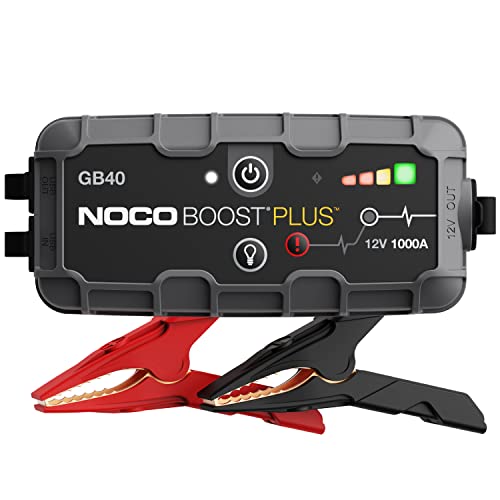
NOCO Boost GB40 1000A Jump Starter
NOCO
Mid-Range
AstroAI S8 Car Jump Starter (6.0L gas / 3.0L diesel) 1500A peak
AstroAI
Mid-Range
AstroAI S8 Jump Starter 1500A portable 12V
AstroAI
Mid-Range
AstroAI S8 Car Battery Jump Starter
AstroAI
Mid-Range
Car Jump Starter 5000A Peak 12V Booster
BRPOM
Mid-Range
Portable 1000A Jump Starter with USB-C - Green Keeper GK-J1201
GREEN KEEPER
Budget
DBPOWER 3000A Jump Starter 18000mAh with USB charging
DBPOWER
Mid-Range
Car Jump Starter 3000A with PD65W Power Bank
GREEN KEEPER
Mid-Range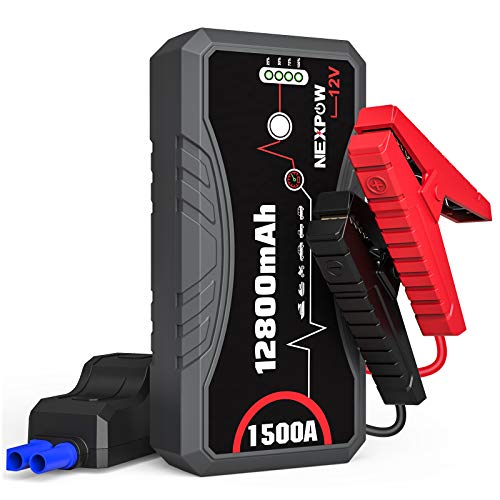
NEXPOW 1500A Jump Starter Q10S for 7.0L gas / 5.5L diesel
NEXPOW
Mid-Range
Jump Starter 3000A BooKoo portable car battery jumper
BooKoo
Mid-Range
S ZEVZO ET03 Jump Starter 4000A 12V Battery Pack
S ZEVZO
Mid-Range
Jump Starter 6000A Peak 12V Car Booster Pack
BIUBLE
Mid-Range
AUXITO Jump Starter 6000A with LED Light and USB Power Bank
AUXITO
Mid-Range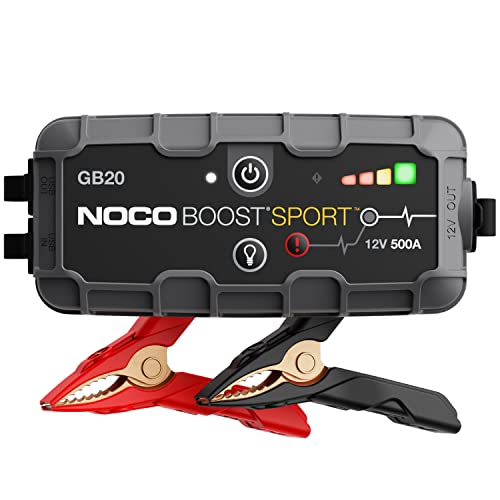
NOCO Boost GB20 500A UltraSafe Jump Starter
NOCO
Mid-Range
Jump Starter with Air Compressor, 5000A 150PSI
DECHANIE
Mid-Range
ASPERX 3000A Jump Starter for 12V Cars
AsperX
Mid-Range
DBPOWER 2750A Jump Starter 12V Car Booster
DBPOWER
Mid-Range
12V car battery jump starter with 4000A peak
VoltSurge
Budget
AstroAI S8 Mini Car Jump Starter 12V 1200A
AstroAI
Mid-Range
2000A car jump starter, 12V portable booster with 74Wh battery
BooKoo
Budget
AVAPOW car jump starter A17 (2000A) with USB QC3.0
AVAPOW
Mid-Range
Jump Starter with Air Compressor, 5000A 160PSI
WNDFLV
Mid-Range
DBPOWER 3000A Jump Starter with 80.66Wh Battery
DBPOWER
Mid-RangeRoundups
Frequently Asked Questions
How do I choose the right jump starter capacity (peak amps and battery size) for my vehicle?
Match peak amps to your engine size: small cars usually need 300–600 peak amps, light trucks and V6 engines 600–1,000 peak amps, and larger V8/diesel engines often require 1,000+ peak amps. Also check the jump starter's battery reserve (mAh or Wh) to ensure it provides multiple starts or can power accessories between charges
Should I buy a portable battery jump starter or a jump starter with built-in compressor and other extras?
Choose a portable battery-only unit for compactness and focused starting power; choose a multi-function unit (air compressor, USB output, LED light) if you need added utility for roadside use. Prioritize starting performance and clamp quality over extras if your main goal is reliable engine starts
What safety features should I look for in a jump starter?
Look for reverse-polarity protection, short-circuit protection, over-current and over-voltage protection, and spark-proof clamps. These features reduce risk of damage or injury during improper connections and are standard on most modern units
How long do jump starter batteries last and how should I maintain them?
Lithium jump starter batteries typically last 3–5 years and lead-acid variants 2–4 years depending on use. Store at moderate temperature, recharge every 3–6 months per manufacturer guidance, and avoid storing fully discharged to maximize lifespan
Can a jump starter damage my vehicle's electronics or void warranties?
Most modern jump starters include protections that prevent voltage spikes, but improper use (incorrect connections, using a high-voltage unit on sensitive systems) could risk damage. Consult the vehicle's manual and use manufacturer-recommended procedures; using a unit within the vehicle's electrical specifications helps avoid warranty issues
Are there differences between lithium-ion and lead-acid jump starters I should know?
Lithium-ion units are lighter, more compact, and hold charge longer, while lead-acid units are heavier and often cheaper for similar peak amps. Lithium models typically offer faster recharge and more cycles, but check temperature operating ranges—lead-acid can tolerate colder conditions better in some cases
How many jump starts can I expect per charge and how quickly do they recharge?
Number of starts per charge varies by capacity; small units may provide 2–10 starts, larger units 20+ starts. Recharge times depend on charger and battery type—typical wall recharges range from 1 to 8 hours; fast-charge features can shorten that but consult specifications for exact times