Passenger Car Wheels
Passenger Car Wheels offers aftermarket alloy and steel wheels for everyday passenger vehicles with mid-range pricing averaging about (price varies) and a range from $82 to $126. The 13-product category includes brands such as Road Ready Wheels and Evoluxx and spans budget through mid-range styling and fitment options
Top Products
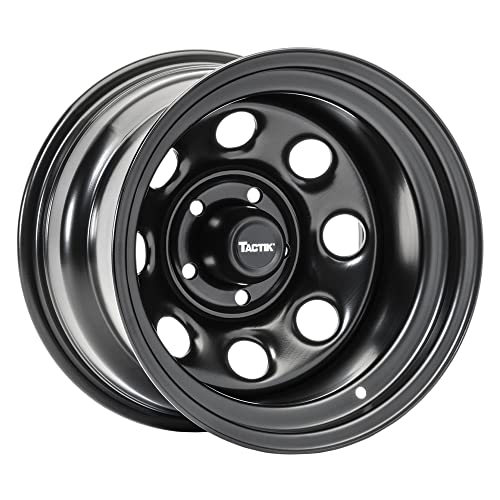
TACTIK Circle 8 Classic 17 Inch Solid Steel Wheel
TACTIK
Mid-Range
Evoluxx Capricorn 4X4 HP All-Season Tire 245/55R19
Evoluxx
Mid-Range
Evoluxx Capricorn 4X4 HP All-Season Tire 225/75R16
Evoluxx
Mid-Range
15 inch Toyota Corolla rim, black steel wheel, OE replacement
Road Ready Wheels
Mid-Range
2007-2012 Nissan Sentra 16in Painted Black Rim - OE Direct Replacement
Road Ready Wheels
Mid-Range
Evoluxx Capricorn 4X4 HP All-Season Tire 255/55R19
Evoluxx
Mid-Range
Rim 15 Inch Painted Black for Toyota Corolla
Road Ready Wheels
Mid-Range
2013-2019 Nissan Sentra 16 Inch Painted Black Rim
Road Ready Wheels
Mid-Range
16 inch Toyota Corolla rim in black, OE replacement
Road Ready Wheels
Mid-Range
For Toyota Corolla 16 Inch Rims OE Replacement Black
Road Ready Wheels
Mid-Range
Vision 17x6.5 5x114.3 Steel Wheel Rim SW60 Black
Vision
Mid-Range
New 16x6.5 Steel Wheel for 2013-2019 Nissan Sentra - OEM Fit, Black
Velospinner
Mid-Range
16 inch rim for 2015-2022 dodge promaster city - painted silver wheel
Road Ready Wheels
Mid-RangeRoundups
Frequently Asked Questions
How do I choose the right wheel size for my passenger car?
Check your vehicle owner’s manual or the placard on the driver’s door jamb for the factory wheel diameter, width, and bolt pattern; then match those specifications or consult a wheel fitment guide to ensure correct diameter, width, offset (ET), and bolt pattern for clearance and speedometer accuracy
What is offset (ET) and why does it matter?
Offset is the distance between the wheel’s mounting surface and its centerline; correct offset ensures proper tire clearance, suspension and brake component fitment, and steering geometry—too low or high an offset can cause rubbing or increased stress on bearings and suspension
Which materials and finishes are common and how do they affect performance and maintenance?
Passenger car wheels are typically cast alloy, forged alloy, or steel; alloys are lighter and improve handling and fuel economy but can be more susceptible to curb damage, while steel is heavier and more durable; common finishes include painted, powder-coated, polished, and machined—maintenance needs vary by finish, with polished and machined surfaces requiring more frequent cleaning and protective wax or sealant
How much should I expect to spend on replacement passenger car wheels?
Prices vary by material, size, and brand; budget steel wheels start low while mid-range alloy wheels commonly fall in the low- to mid-hundreds per wheel; overall category averages can be a useful reference when comparing options
Can I reuse my existing tires when buying new wheels?
You can reuse tires if the tire size matches the new wheel diameter and width range and the tire condition, age, and tread depth are within safety limits; have a professional inspect mounting compatibility and balance after installation
What lug nuts or bolts do I need for new wheels?
Use lug nuts or bolts that match your vehicle’s stud diameter and thread pitch, seat type (conical, ball, or flat), and length for the wheel thickness; check manufacturer fitment specifications and torque to the vehicle’s recommended value
How should I care for and protect my wheels to prolong their lifespan?
Clean wheels regularly with a pH-neutral wheel cleaner and soft brush, avoid acidic cleaners on sensitive finishes, inspect for corrosion or cracks, touch up damage promptly, and follow recommended torque checks after installation to prevent loosening or warping