Polishing & Rubbing Compounds
Polishing & Rubbing Compounds for automotive use, including cutting, polishing, and finishing compounds, pads, and applicators for paint restoration and scratch removal. This category spans budget through mid-range options (55 products, average rating 4.58) and features brands like 3M and Meguiar's
Top Products

Meguiar's Mirror Glaze M105 Ultra-Cut Compound 32 oz
Meguiar's
Budget
Meguiar's Mirror Glaze Ultra Finishing Polish 32 oz
Meguiar's
Budget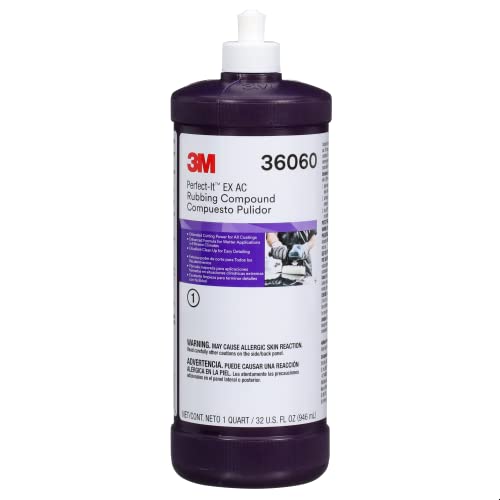
3M Perfect-It EX AC Rubbing Compound 36060
3M
Budget
Meguiar's Mirror Glaze Ultra Pro Speed Compound 32 oz
Meguiar's
Budget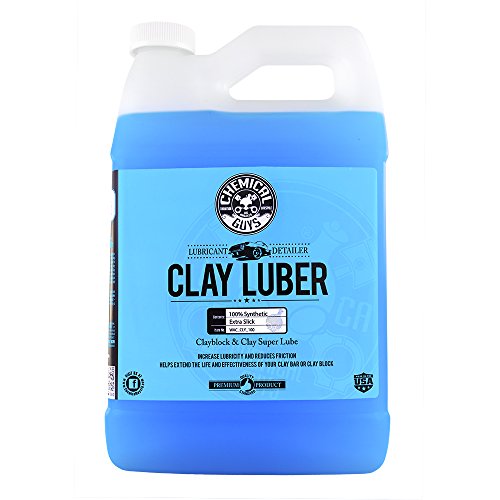
Clay Luber Synthetic Lubricant for Clay Bar and Detailing
Chemical Guys
Mid-Range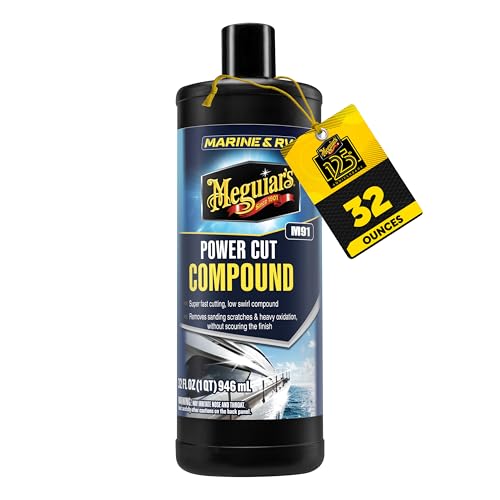
Meguiar's Marine/RV Power Cut Compound 32 oz
Meguiar's
Mid-Range
Griot's Garage Paint Cleaning Clay for Car Detailing
Griot's Garage
Budget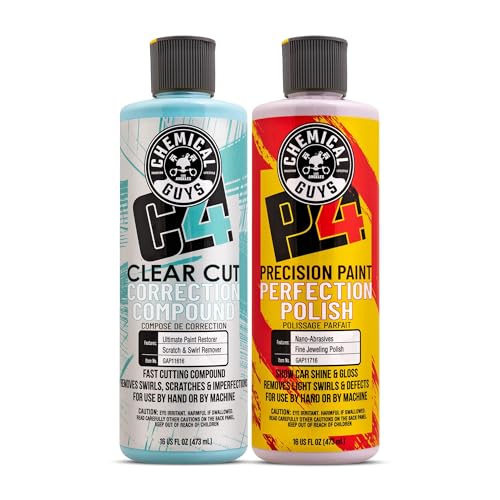
C4 & P4 Clear Cut Correction Compound + Polish kit
Chemical Guys
Budget
Meguiar's Marine/RV One Step Compound 1 Gallon
Meguiar's
Mid-Range
Meguiar's Ultra Pro Finishing Polish M21032
Meguiar's
Mid-Range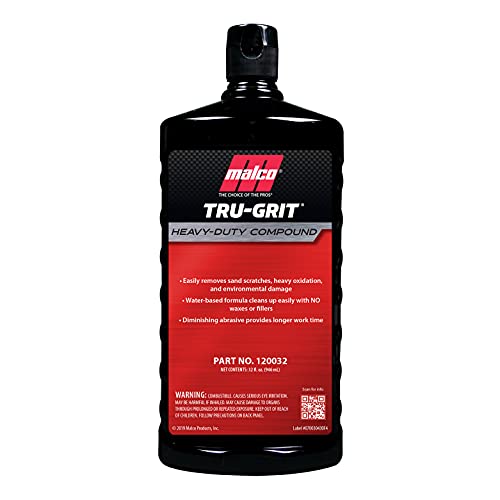
Malco Tru Grit Heavy Duty Buffing and Polishing Compound 32 oz
Malco
Budget
Sonax Profiline CutMax polishing compound 33.8 oz
SONAX
Mid-Range
GAP V36 Optical Cutting Polish & V38 Final Polish (16 oz) – 2 items
Chemical Guys
Mid-Range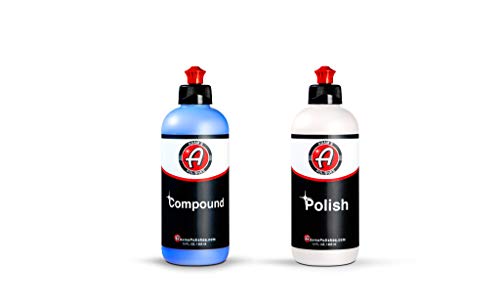
Adam's Polishes 2-Step Polishing System 12oz Combo
Adam's Polishes
Mid-Range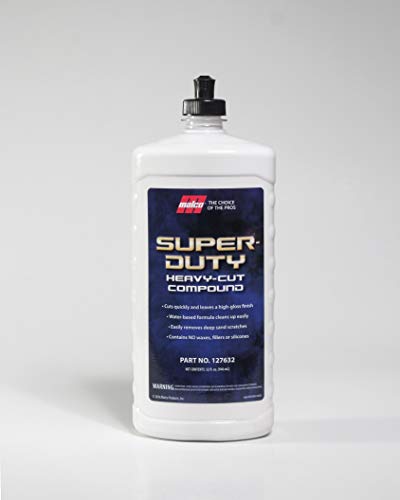
Malco Super Duty Heavy Cut Compound for auto paint correction
Malco
Budget
menzerna 3-step polishing system: HCC1000, MCC2500 & 3800
menzerna
Budget
Meguiar's Hyper Wash Foaming Car Wash
Meguiar's
Budget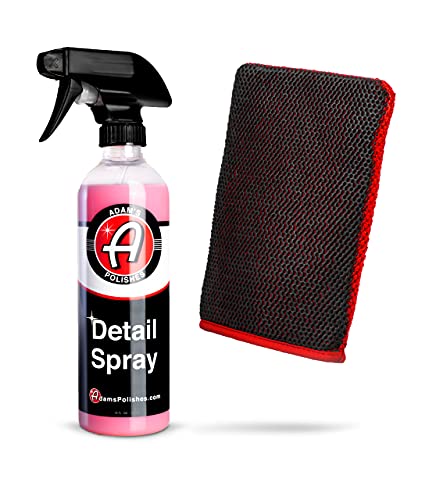
Adam's Polishes Clay Mitt – Medium Grade Clay Mitt
Adam's Polishes
Budget
Adam's Polishes Clay Mitt - Medium Grade Mitt for Paint, Glass, Wheels
Adam's Polishes
Mid-Range
3D One Car Scratch & Swirl Remover Hybrid Compound
3D
Mid-Range
CARPRO Essence: Extreme Gloss Primer - SiO2 Protection, 500ml
CARPRO
Mid-Range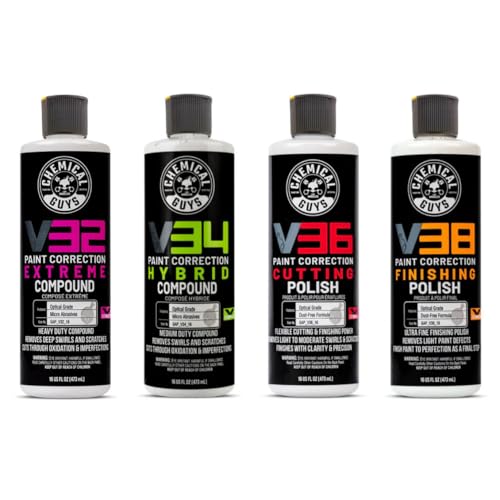
Chemical Guys V Line Car Polish & Compound Kit
Chemical Guys
Mid-Range
Malco Clean & Shine Interior Car Cleaner & Dressing
Malco
Budget
SONAX Cut & Finish Polish/Compound 1000ml
SONAX
Mid-RangeRoundups
Frequently Asked Questions
How do I choose the right polishing or rubbing compound for my car's paint condition?
Select compounds by paint defect and clear coat hardness: use a heavy-cut rubbing compound for deep scratches and oxidation, a medium-cut polish for swirl marks and light scratches, and a fine polish or finishing compound for gloss and minor blemishes; check product abrasiveness and whether it is safe for clear coats
Can I use the same compound by hand and with a machine polisher?
Some compounds are formulated for both hand and machine use, but many heavy-cut compounds are best used with a rotary or dual-action polisher to avoid inconsistent results; always follow the manufacturer’s application instructions and use the appropriate pad type
What pad types and sizes should I pair with different compounds?
Use open-cell or wool pads for aggressive cutting compounds to maximize abrasive contact, foam medium-cut pads for polishing, and soft foam or microfiber finishing pads for fine polishes; match pad size to your polisher and work area for control and even coverage
How often should I use rubbing or polishing compounds on my vehicle?
Limit abrasive compounding to when defects are present—typically rarely—because compounds remove a thin layer of clear coat; for maintenance, use gentle polishing or non-abrasive cleaners and protect with wax or sealant afterwards
Are these compounds safe for all paint types and clear coats?
Most modern rubbing and polishing compounds are formulated for clear-coated finishes, but always test on an inconspicuous area first and choose non-abrasive or paint-safe formulas for older, thin, or single-stage paints
What safety and preparation steps should I follow before compounding?
Wash and decontaminate the surface with clay or iron remover, work in a shaded, dust-free area, wear gloves and eye protection, and start with the least aggressive product to minimize clear coat removal
How do I evaluate value when shopping for polishing and rubbing compounds?
Compare product abrasiveness levels, recommended use (hand vs. machine), included safety data, typical kit components (pads, applicators), and price ranges—budget options often run under $50 while professional-grade and kit bundles average higher