Power Inverters
Power inverters for automotive and garage use convert DC vehicle or battery power to AC to run tools, electronics, and appliances; offerings include modified- and pure-sine models across wattages. The category has 207 indexed products, average rating 4.39, price range about $33–$600 (avg ~(price varies)), with brands like Cantonape represented
Top Products

BESTEK 300W Car Power Inverter with 65W USB-C and QC3.0
BESTEK
Mid-Range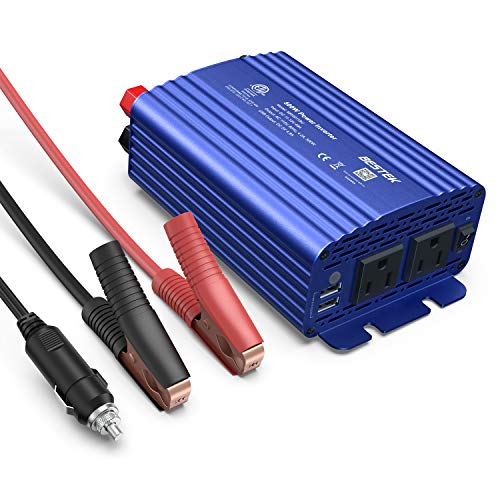
BESTEK 500W Power Inverter with 2 USB ports
BESTEK
Mid-Range
ALLWEI 300W Car Power Inverter with 65W USB-C PD and USB-A
ALLWEI
Budget
Car power inverter 200W with USB-C and multiple USB ports
PiSFAU
Budget
AstroAI 110V to 12V car inverter with 8.25ft cord
AstroAI
Budget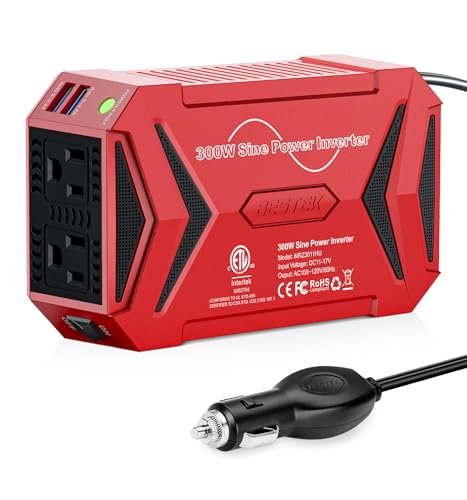
BESTEK 300W Pure Sine Inverter with 2 USB & 2 AC Outlets
BESTEK
Budget
ALLWEI 300W Power Inverter with USB-C PD65W & USB-A
ALLWEI
Budget
ALITOVE 12V DC power adapter for car devices (250W, 20.8A)
ALITOVE
Mid-Range
200W Car Inverter with USB-C/USB-A & 110V AC outlets
vansoet
Budget
BMK 300W Car Power Inverter with 12V to 110V + 4 USB Ports
BMK BMK
Budget
400W Car Power Inverter with USB-C PD65W & QC18W
EPANEE
Budget
Pro Chaser 400W Car Power Inverter - 12V to 110V, 2 USB, dual outlets
Pro Chaser
Budget
200W Car Power Inverter with USB-C PD/QC and 2 AC Outlets
vansoet
Budget
500W car power inverter with LCD display
OLTEANP
Mid-Range
Car power inverter 120W DC 12V/24V to 110V with 3 AC outlets
Ansee
Budget
BESTEK 500W Pure Sine Wave Car Inverter 12V to 110V
BESTEK
Mid-Range
BESTEK 300W Car Power Inverter with USB-C/USB-A PD/QC
BESTEK
Budget
6-in-1 car power inverter with 2 AC outlets and USB-C PD
AUCARAUTO
Budget
7 in 1 car power inverter with USB-C PD/QC fast charge
AUCARAUTO
Budget
BESTEK 500W Pure Sine Wave Car Inverter
BESTEK
Mid-Range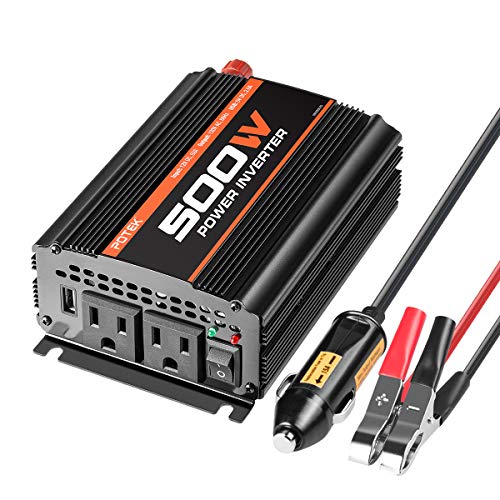
POTEK 500W Car Inverter 12V to 110V with 2A USB
POTEK
Mid-Range
DEWALT 140W Car Inverter with USB-C & USB-A
DEWALT
Mid-Range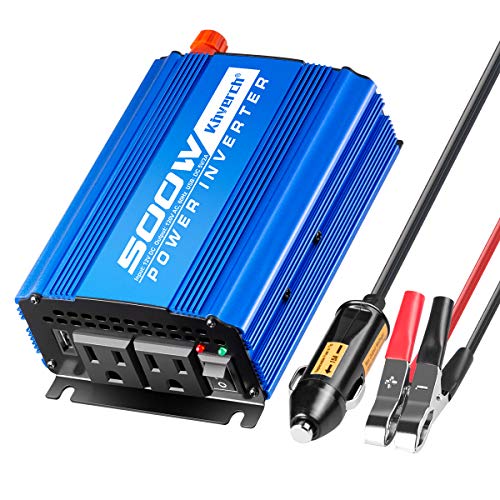
Kinverch 500W Car Inverter, 12V to 110V, 2 AC outlets + 2A USB
Kinverch
Budget
BESTEK 300W Pure Sine Wave Inverter with 2 AC outlets and 2 USB ports
BESTEK
Mid-RangeRoundups
Frequently Asked Questions
How do I choose the right wattage for a car power inverter?
Add the continuous wattage of the devices you plan to run (phone chargers, laptop, small tools) and include a margin for startup surges; choose an inverter with continuous wattage equal to or above that total and a peak wattage that can handle device startup surges
What's the difference between modified sine wave and pure sine wave inverters?
Modified sine wave inverters are less expensive and work for simple electronics and chargers, while pure sine wave inverters produce cleaner AC power compatible with sensitive electronics, medical devices, and some motors; choose pure sine wave if you need reliable performance for sensitive or high-efficiency equipment
How do I match an inverter to my vehicle's battery and electrical system?
Check your vehicle’s battery voltage (usually 12V or 24V) and ensure the inverter input matches it; also verify your vehicle’s alternator capacity and wiring can supply the inverter’s continuous current without overloading, and use appropriately gauged cables and fuses
What safety features should I look for in a power inverter?
Look for built-in protections such as overload/short-circuit protection, over-temperature shutdown, low-voltage and high-voltage input protection, and ground-fault or GFCI protection if used around wet environments
How efficient are power inverters and how does efficiency affect battery life?
Inverter efficiency typically ranges from about 80% to over 95%; higher efficiency means less energy lost as heat, which reduces battery drain and heat buildup, so choose a higher-efficiency unit for prolonged use from battery power
What installation and maintenance steps keep an inverter reliable?
Install the inverter in a well-ventilated, dry location with solid electrical connections and correct polarity, use appropriate cable gauges and fusing, periodically inspect connections and cooling vents, and avoid continuous operation near the inverter’s maximum rating
How much should I expect to pay for different inverter types?
Budget modified sine wave inverters are commonly available for under $50 for low-watt units, while mid-range units and pure sine wave inverters typically span from around $100 to several hundred dollars depending on wattage and features; specialty or high-capacity models cost more