Powersports Carburetors
Replacement and performance carburetors and rebuild components for motorcycles, ATVs, dirt bikes and other powersports vehicles. The category includes 169 indexed products averaging a 4.35 rating, with prices typically $32–$231 and brands like nibbi among the top sellers. Options span budget through mid-range parts and kits
Top Products

Carburetor for Kawasaki FR691V/FS691V 15004-0829
LEIMO KPARTS
Budget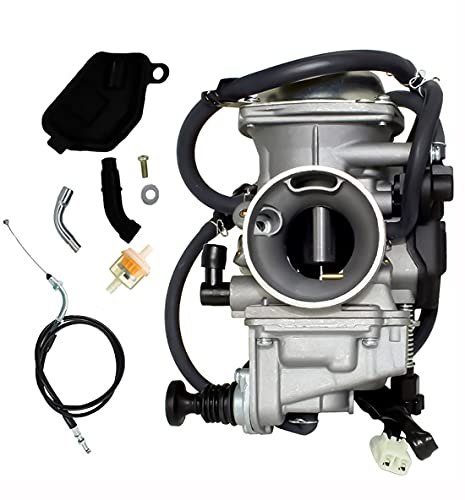
Carburetor & Throttle Cable for Honda ATVs
Aniro Moto
Mid-Range
Carburetor for Honda fourtrax/foreman/rancher (TRX/TRX300/350/400/450) fits 1993-2006
ATRACYPART
Budget
Carbhub carburetor for Honda Fourtrax 300/350 Foreman 400/450 Rancher 350
Carbhub
Budget
ATRACYPART Fourtrax Carburetor for Honda TRX/TRX Foreman Rancher
ATRACYPART
Budget
YAMAKATO 420cc carb kit for Honda/clone 27mm with jets
YAMAKATO
Budget
PWK Carburetor Universal 28mm for 2T/4T engines
QXBER
Budget
CV40 Carburetor Replacement for Harley Sportster & Softail
Czsmbt
Mid-Range
PWK carburetor 21-34mm Universal Racing Carb for Dirt Bike & ATV
QXBER
Budget
Carburetor for Kawasaki engine golf carts
TANG
Budget
FH661V Carburetor for Kawasaki FH641V FH721V FH680V FX850V
ATRACYPART
Budget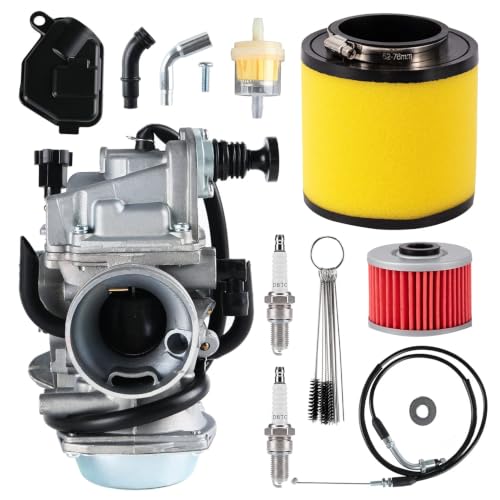
FourTrax 300 Carburetor for Honda TRX300/TRX350
TANG
Budget
PWK Carburetor 32mm Universal 2T 4T Dirt Bike
QXBER
Budget
PWK carburetor 24mm universal for dirt bike
QXBER
Budget
PWK Carburetor 26mm Universal Racing Carb for Dirt Bikes & ATVs
QXBER
Budget
PWK Carburetor 30mm Universal for 100cc-160cc Dirt Bikes
QXBER
Budget
NIBBI PE17mm Carburetor for 80cc-100cc Engines
nibbi
Budget
Carburetor for Honda Rancher 350 TRX350 (2000-2006) OLIFANT
OLIFANT
Budget
PWK 30mm Racing Carburetor for 100cc-160cc Engines
QXBER
Mid-Range
Carburetor for 2002-2020 Kawasaki KLX110 | BH-Motor
BH-Motor
Budget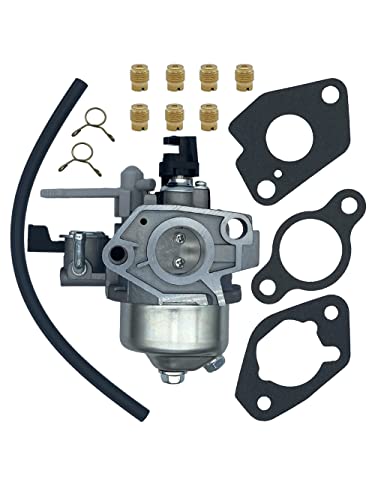
YAMAKATO 301cc Carburetor kit for Predator/Honda clones
YAMAKATO
Budget
Carburetor for Honda Rancher 350 (TRX350) 2000-2006 with air & fuel filter
OLIFANT
Budget
PWK 26mm Racing Carburetor for 75cc-125cc engines
QXBER
Mid-Range
NIBBI PE19mm Carburetor Kit for 100-125cc engines
nibbi
Mid-RangeRoundups
Frequently Asked Questions
How do I choose the right carburetor for my powersports vehicle?
Match the carburetor to the engine model, displacement, and intake manifold type; check OEM part numbers or vehicle fitment lists and confirm throttle and choke linkage compatibility before buying
What should I consider when shopping by budget?
Carburetor prices vary by brand, materials, and rebuildability; expect budget options under $50 and midrange parts around the category average, while higher-end or OEM-spec units cost more — compare warranty, materials, and included hardware
What key features affect performance and reliability?
Look for correct jetting and adjustable idle/mixture screws, quality casting or machining, brass or stainless jets, and a float type suited to your fuel system; proper fit and correct venting are critical for consistent performance
Can I rebuild an existing carburetor instead of replacing it?
Yes; many carburetors can be rebuilt using a rebuild kit containing gaskets, needles, and jets, provided the body and throttle shaft are in good condition and not warped or excessively worn
How do I verify fitment and compatibility before purchase?
Use the vehicle make/model/year and engine specs to cross-reference manufacturer fitment charts or product compatibility lists, and measure mounting bolt spacing, inlet/outlet diameters, and linkage types if possible
What maintenance is required after installing a new or rebuilt carburetor?
After installation, set float height, synchronize multiple carburetors if applicable, adjust idle and mixture, check for fuel leaks, and re-check settings after a short break-in period or several heat cycles
Are there any fuel or environmental considerations to keep in mind?
Use clean, fresh fuel and, if required, ethanol-compatible components; prolonged storage requires fuel stabilization or draining, and emissions regulations in some areas may affect allowable modifications