Powersports Handlebars
This category covers powersports handlebars and related mounting hardware for ATVs, dirt bikes, and UTVs, with mid-range price points (about $33–$87, average $43). Products include straight, tapered, and riser-style bars from brands such as WEIYINGSI and Pro Taper, averaging a 4.53-star rating across 26 indexed items
Top Products

Canyon Dancer 36505 Black Bar-Harness II for 36" Handlebars
Canyon Dancer
Budget
Universal dirt bike handlebars 7/8" 22mm with foam pad, 1-piece design
WEIYINGSI
Budget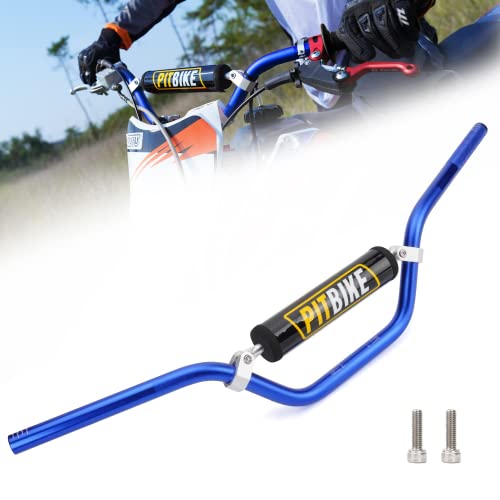
Handlebar with foam pad 7/8" 22mm for dirt bikes
WEIYINGSI
Budget
Universal 7/8 inch dirt bike handlebars with foam pad
WEIYINGSI
Mid-Range
Universal 7/8 inch dirt bike handlebars, gold+blue
WEIYINGSI
Mid-Range
Handle Bar 7/8" 22mm with Foam Pad & Grips for Dirt Bikes
WEIYINGSI
Mid-Range
Handlebar with Foam Pad 22mm for dirt bikes
WEIYINGSI
Mid-Range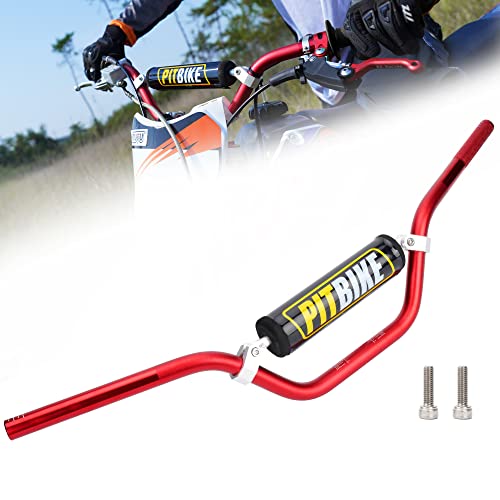
Universal 7/8 in Dirt Bike Handlebars with Foam Pad
WEIYINGSI
Budget
Handlebars 7/8 inch universal dirt bike handlebars
RUTU
Budget
Handle Bar with foam pad 22mm compatible with dirt bikes
WEIYINGSI
Budget
Handlebars 7/8 inch for motorcycles with crossbar pad
RUTU
Budget
Handlebars 7/8 inch universal dirt bike bar with crossbar pad
RUTU
Budget
RUTU 7/8" Dirt Bike Handlebars with Foam Pad
RUTU
Budget
RUTU 7/8" Dirt Bike Handlebars with Foam Pad
RUTU
Budget
7/8" aluminum dirt bike handlebars with foam pad grips
Motoroff
Budget
HTTMT 1.25" Black Motorcycle Handlebar Riser for Harley
HTTMT
Budget
Motorcycle 7/8" 22mm Handlebar 4mm CNC Thickness
IUVWISN
Budget
AnXin 7/8" Drag Handlebars High-Rise Chrome
AnXin
Budget
Pro Taper SE Series 7/8" Standard Handlebars XR 50/Jet Black
Pro Taper
Mid-Range
Pro Taper SE 7/8" Handlebars CR High/Jet Black
Pro Taper
Mid-Range
PRO CAKEN 7/8" Universal Handlebar Kit for Motorcycles & Bikes
PRO CAKEN
Budget
PRO CAKEN universal 7/8" handlebar kit for motocross and bikes
PRO CAKEN
Budget
PRO CAKEN universal 7/8" 22mm handlebar kit for bikes and ATVs
PRO CAKEN
Budget
PRO CAKEN Universal 7/8" Handlebar Kit for Motorsports
PRO CAKEN
BudgetRoundups
Frequently Asked Questions
How do I choose the right handlebar width and rise for my powersports vehicle?
Measure your shoulder width and consider riding style: wider bars offer more leverage for control in off-road riding, while narrower bars are better for tight trails or street use; rise affects upright vs. forward posture—low rise for aggressive stance, higher rise for comfort. Check compatibility with your bike's mount clamp diameter and factor in control reach for switches and levers
What materials and construction should I look for in powersports handlebars?
Common materials are aluminum alloys for a balance of strength and weight, and chromoly steel for higher durability; look for reinforced welds, internal bracing if needed, and heat-treated or butted tubing for improved fatigue resistance. Corrosion-resistant finishes like anodizing or powder coat extend life in wet or salty environments
Are these handlebars compatible with my motorcycle/ATV/UTV model?
Compatibility depends on clamp bore diameter (often 7/8", 1", or specific tapered fits), control mount space, cable and brake line routing, and riser geometry. Verify your vehicle's handlebar clamp size and compare dimensions provided by the seller; you may need longer cables or hydraulic line modifications when switching to a bar with different rise or pullback
What should I expect to pay and are there budget options?
Handlebars in powersports commonly range from budget options under $50 to higher-end specialty bars costing more; many mid-range bars balance cost and durability. Consider total cost including potential extra items like grips, clamps, cables, or professional installation when budgeting
How do I install and torque a replacement handlebar safely?
Loosen existing clamps evenly, position the new bar centered and aligned, then tighten clamps incrementally to the manufacturer’s torque specifications using a calibrated torque wrench; ensure controls and cables are routed without binding through full steering range before final torque. If unsure about torque values or hydraulic line adjustments, have a qualified mechanic perform the installation
What maintenance will extend the life of handlebars?
Regularly inspect for cracks, bends, corrosion, and loose clamps; clean off dirt and salt, touch up chipped finishes, and re-torque clamp bolts after initial break-in rides. Replace bars immediately if you detect stress fractures or deformation from impacts
Do different handlebar shapes affect vibration and comfort?
Yes—bends, sweep, and rise affect hand position which changes perceived vibration and fatigue; some bars include built-in dampening features or are paired with vibration-reducing grips. If vibration is a concern, consider bars made from alloys with vibration-damping properties or add specialized bar weights or dampening grips