Pressure & Vacuum Testers
Pressure and vacuum testers for automotive and garage use, including hand pumps, digital gauges, and adapter kits for testing fuel, intake, and vacuum systems. The category spans budget to mid-range options (41 products, average price ~(price varies)) and features brands like VTG VOGTEN among others. Average rating: 4.36
Top Products

Universal Air Powered Cooling System Pressure Tester
AP Astro Pneumatic Tool Company
Budget
AutoLine Pro HyperSmoke Automotive Smoke Machine EVAP Tester
AutoLine Pro
Mid-Range
CMTOOL Exhaust Back Pressure Tester Kit
CMTOOL
Budget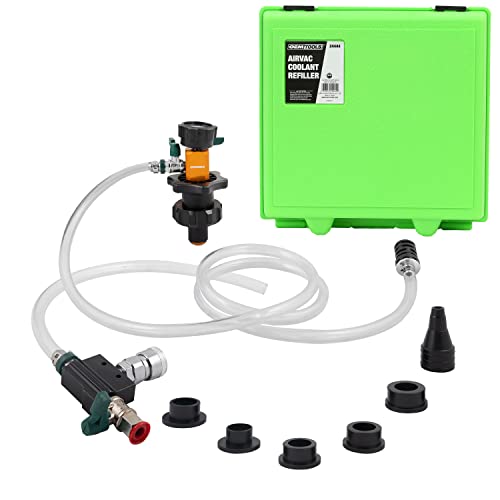
OEMTOOLS 24444 AirEvac Cooling System Refiller Kit
OEMTOOLS
Mid-Range
WNZ 28PC coolant pressure tester kit with vacuum pump
WNZ
Mid-Range
Radiator Pump Pressure Tester Kit with Gauge and Adapters
HZAUTOS
Budget
WNZ 18-piece coolant pressure tester kit
WNZ
Budget
18-piece cooling system pressure tester kit
ZJERYL GULL
Budget
14PCS radiator pressure tester kit for automotive cooling system
HZAUTOS
Budget
WNZ 18pc coolant pressure tester kit
WNZ
Budget
Turbo boost leak tester 3" for 3" turbo or intake
Turbo Boost Leak Testers
Mid-Range
Radiator pressure tester kit for automotive cooling system
Wenzhon
Budget
Radiator pressure tester kit for automotive cooling systems (19pcs)
Wenzhon
Mid-Range
Turbo Boost Leak Tester 4" Billet Aluminum 30 PSI
Turbo Boost Leak Testers
Mid-Range
Orion Motor Tech 31-pc coolant pressure tester kit
Orion Motor Tech
Mid-Range
28pcs radiator pressure tester kit for cooling system
DAYUAN
Mid-Range
Orion Motor Tech 19pc coolant pressure tester kit
Orion Motor Tech
Mid-Range
Orion Motor Tech coolant pressure tester kit, 19 pcs
Orion Motor Tech
Mid-Range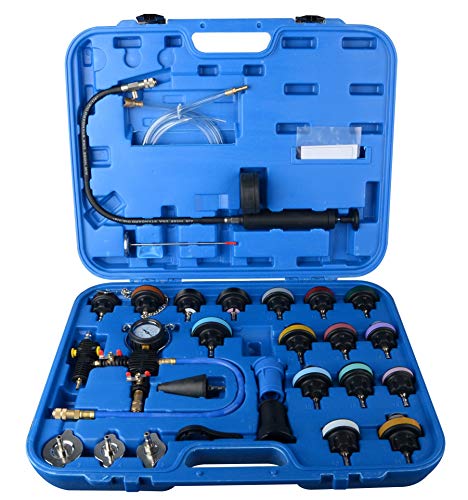
DAYUAN 28pcs Radiator Pressure Tester Kit
DAYUAN
Mid-Range
28pcs radiator pressure tester kit for cooling system
CXPRO
Mid-Range
Coolant Pressure Tester Kit with Adapters and Carrying Case
DKwoeshg
Budget
AutoLine Pro HyperSmoke Automotive Smoke Tester
AutoLine Pro
Mid-Range
Radiator pressure tester kit for automotive cooling system
Wenzhon
Mid-Range
AutoLine Pro HyperSmoke automotive smoke tester
AutoLine Pro
Mid-RangeRoundups
Frequently Asked Questions
What are the main types of pressure and vacuum testers for automotive use?
Common types include handheld vacuum/pressure pumps with analog or digital gauges, manifold testers for multiple-port testing, and specialized leak-down or fuel pressure testers; choose based on the systems you need to test (vacuum lines, brake boosters, fuel systems, intake leaks)
How do I choose the right tester capacity and accuracy?
Select a gauge range that covers the expected values for your vehicles (many auto applications require vacuum to -30 inHg and pressure up to 100+ psi); look for testers with clear graduations, ±2-3% accuracy for diagnostic work, and digital readouts if precise numeric measurements are important
What features should I look for to make diagnostics easier?
Useful features include quick-connect fittings and multiple adapter hoses, durable rubber or metal construction, bleeder/valve controls for fine adjustments, readable analog or backlit digital displays, and a reliable zeroing/calibration function
How much should I expect to spend on a reliable tester?
Prices vary by complexity and brand: basic handheld vacuum/pressure pumps and gauges commonly fall under $50 to $100, while more advanced kits and digital units frequently range from about $50 to $200; average price across similar products is in the mid-hundreds at the higher end of the hobby/professional spectrum
How do I maintain and calibrate a pressure/vacuum tester?
Keep seals and hoses clean and replace worn O-rings or gaskets, store the unit dry and protected from impact, periodically check zero reading and compare with a calibrated reference gauge or send to a calibration service if high accuracy is required, and avoid exposure to corrosive fluids
Are there safety considerations when using these testers on vehicles?
Yes—depressurize systems before disconnecting lines, wear eye protection, use appropriate adapters for fuel or pressurized systems to prevent leaks, and follow vehicle manufacturer procedures to avoid damaging components or creating fire hazards
Can a single tester handle both vacuum and pressure diagnostics?
Many handheld pump testers are designed to handle both negative (vacuum) and positive (pressure) measurements; verify the unit's specified range and fittings for the particular tests you plan to perform to ensure compatibility