Refrigerants
Refrigerants for automotive and garage A/C service, including R‑134a, R‑1234yf cans and repair accessories from brands like ZeroR and Chemours. 26 products indexed, average rating 4.40, with mid-range pricing (roughly $33–$138). Suitable for DIY recharges and professional maintenance
Top Products

Brand R134a Refrigerant Freon for MVAC use in a 12-Ounce Self-Sealing Container (3 Pack)
Chemours
Budget
National refrigerant R134a for MVAC use, 12-ounce self-sealing container (pack of 3)
National
Budget
R134a refrigerant for MVAC in 12-oz self-sealing can
Chemours
Mid-Range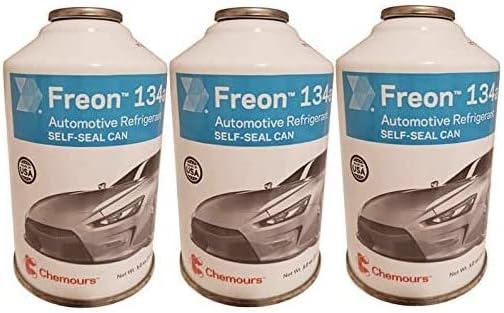
R-134a Refrigerant Freon with UV dye (3 pack) for MVAC
AC PRO
Budget
Recharge Kit for R134A Refrigerant by A/C Pro
A/C Pro
Mid-Range
Auto A/C R-134a Recharge Kit - 18 oz (InterDynamics) EZ Chill
EZ Chill
Mid-Range
ZeroR AC Refrigerant R134a Replacement (3 Cans) with UV Dye
DIY Parts Inc.
Budget
ZeroR Genuine R1234YF in 8oz Cans (3) with service label
ZeroR
Mid-Range
Vehicle AC refrigerant R134a replacement (3 6oz cans) with piercing valve
Generic
Budget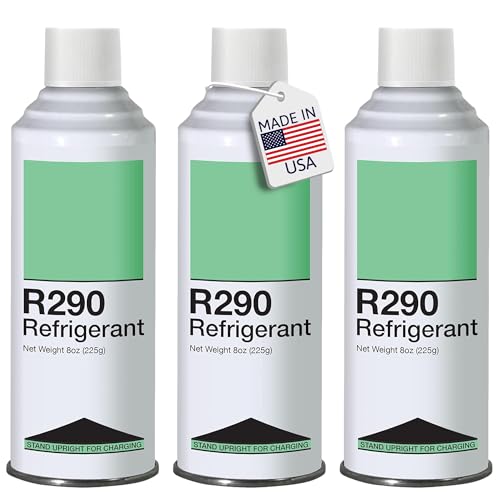
Leak Saver R290 Refrigerant 3-Pack - Upright, Self-Sealing Tops
Leak Saver
Mid-Range
Johnsen's 6313 R134a Refrigerant w/UV Dye for MVAC (12oz) in 6 Pack
Johnsen's
Mid-Range
ZeroR Top Off Kit: R1234YF 8oz Can & HD Brass Tap with Gauge
ZeroR
Mid-Range
R134a Automotive Refrigerant 12oz Can with Piercing Valve (2 Cans)
Generic
Budget
R1234yf 8 oz automotive A/C recharge
National Refrigerants
Budget
R134a Replacement refrigerant with gauge piercing valve for AC recharging
Generic
Mid-Range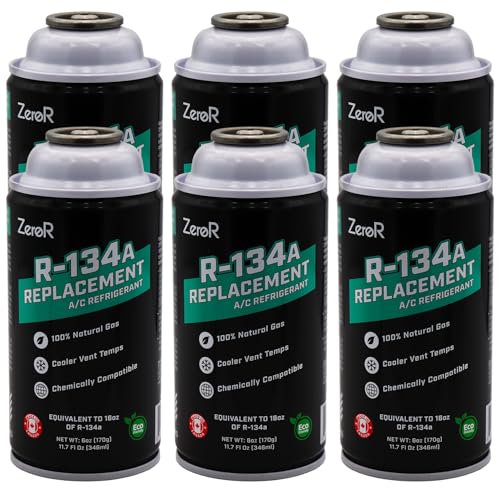
ZeroR AC Refrigerant replacement for R134a (6 cans)
ZeroR
Mid-Range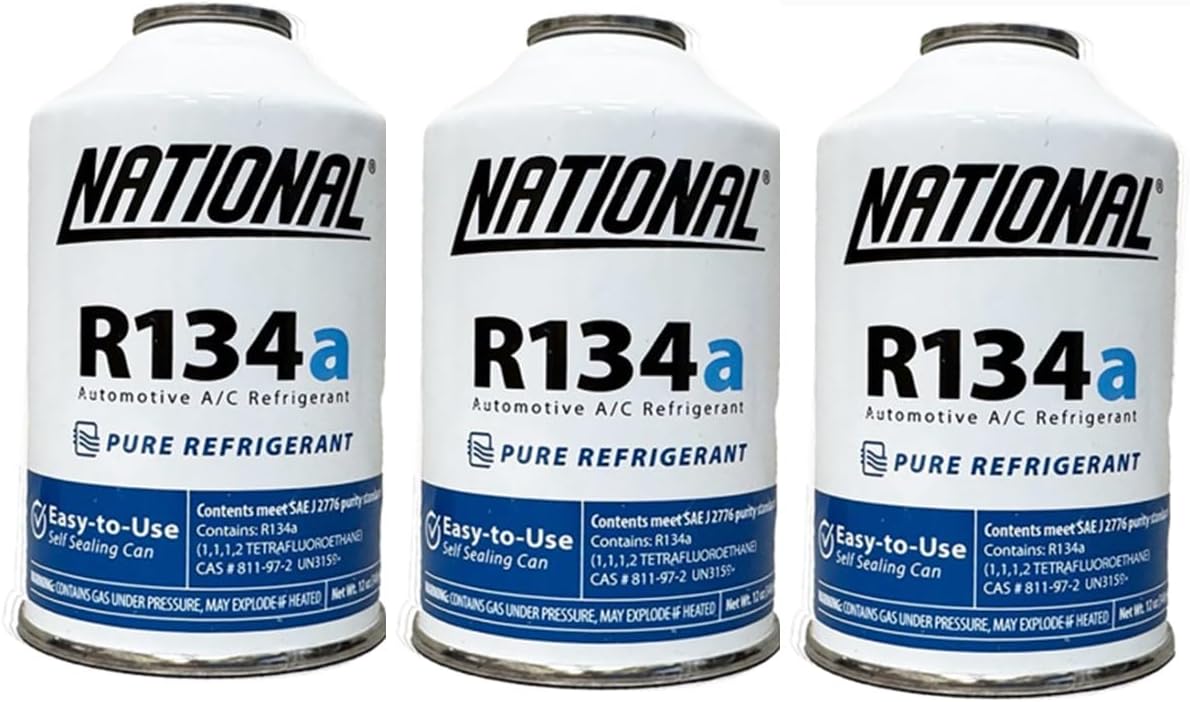
R134a Automotive Replacement 12oz Can w/ Piercing Valve (3 Cans)
Generic
Mid-Range
Honeywell automotive refrigerant (4) - refrigerant
Honeywell
Mid-Range
ZeroR R1234YF refrigerant 8oz can with maintenance label
ZeroR
Mid-Range
Honeywell R1234YF refrigerant kit with gauge (3 cans) and brass tap
Honeywell
Mid-Range
R134a Industrial Replacement 12oz Can with Self Sealing Valve
IQP
Mid-Range
InterDynamics A/C Pro Recharge R-134a Freon Gas
InterDynamics
Mid-Range
ZeroR R1234YF refrigerant in 8oz can for MVAC
ZeroR
Budget
ZeroR Top Off Kit with R1234YF refrigerant and gauge
ZeroR
Mid-RangeRoundups
Frequently Asked Questions
How do I choose the right refrigerant for my vehicle's A/C system?
Check your vehicle owner's manual or the A/C system label for the approved refrigerant type (commonly R-134a or R-1234yf). Match the refrigerant chemistry and phase (pure vs. blended) and confirm compatibility with your system components and service equipment before purchasing
Can I recharge my car's A/C with a DIY refrigerant kit, or should I hire a professional?
DIY kits can work for simple recharges when the system has a small, known leak and the correct refrigerant is used, but professional service is recommended for diagnosing leaks, recovering old refrigerant, and ensuring correct charge amounts and safety when handling pressurized gases
What safety precautions should I follow when handling refrigerants?
Wear safety glasses and gloves, avoid inhaling vapors, work outdoors or in a well-ventilated area, and use proper recovery/recycling equipment; do not vent refrigerants to the atmosphere and follow local regulations for disposal and spill response
How much does a typical automotive refrigerant refill cost?
Prices vary by refrigerant type and quantity; budget options are commonly available under $50 for small DIY cans, while larger cans and professional service can raise costs—average product prices in this category are in the mid-range of typical consumer auto supplies
Are aftermarket or generically labeled refrigerants safe to use in my car?
Aftermarket and generic refrigerants can be safe if they specify the correct type and meet industry standards, but verify compatibility, look for proper labeling and certifications, and be cautious of products that do not disclose composition or purity
How can I tell if my car's A/C system needs more refrigerant vs. a repair?
Weak cooling, warm air, or inconsistent performance can indicate low refrigerant, but similar symptoms also result from leaks, compressor failure, or clogged components; have pressure tested and inspected to distinguish a simple recharge from necessary repairs
What equipment is required to service automotive refrigerants correctly?
Proper service requires refrigerant recovery/recycling machines, manifold gauges, vacuum pumps, and calibrated scales for measuring charge; using only cans and a simple gauge set may not recover existing refrigerant or ensure the correct charge