Riveters
Riveters for auto and garage use, including pneumatic, cordless, and hand rivet guns for sheet metal, bodywork, and structural fasteners. The category covers 56 indexed products with an average rating of 4.48 and price range roughly $32–$329, featuring brands such as LIBRATON
Top Products
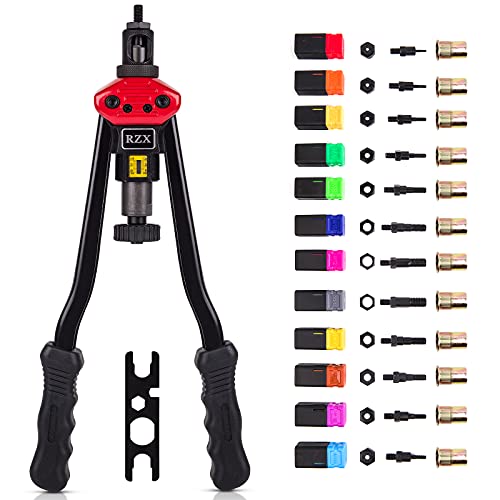
Rivet Nut Tool 16" with 11 mandrels & 110pcs rivet nuts
M&R INDUSTRY
Budget
Rivet Nut Tool Kit with 8 Mandrels and Case
NEXTACK
Mid-Range
Heavy Duty Two-Handed 1/4 Pop Rivet Gun Kit (NT300) with 350 Rivets & 5 Nosepieces
NEXTACK
Budget
Rivet Nut Tool Kit with 120 rivnuts and mandrels
NEXTACK
Mid-Range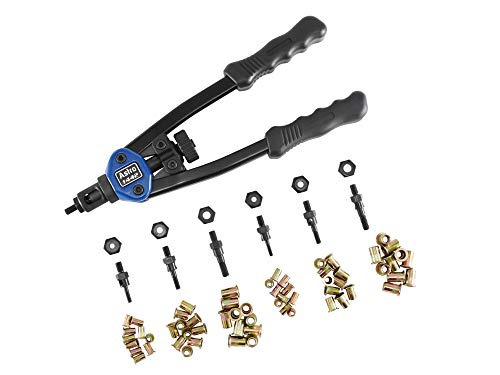
Astro 13" Nut/Thread Hand Riveter Kit
Astro Pneumatic Tool
Mid-Range
HARDELL Rivet Nut Tool Kit with 100 rivet nuts and mandrels
HARDELL
Mid-Range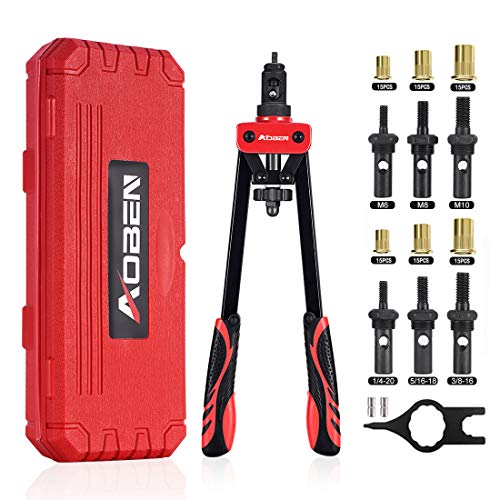
AOBEN 14" Rivet Nut Tool with 6 Mandrels & 90pcs Rivnuts
AOBEN
Budget
ARES heavy duty rivet gun with chrome molybdenum nozzle
ARES
Mid-Range
Rivet Nut Tool Kit NT800 105pc with 12 Mandrels in Rugged Case
NEXTACK
Mid-Range
Rivet Gun Kit with 200 Rivets and 5 Heads
Duratl
Budget
LIBRATON One-Handed Rivet Gun with Interchangeable Heads
LIBRATON
Budget
AKKTOL 13" Rivet Gun Kit with 210 pcs Rivets
AKKTOL
Budget
AOBEN 16" Rivet Nut Tool with 12 Mandrels and 145Pcs Rivnuts
AOBEN
Mid-Range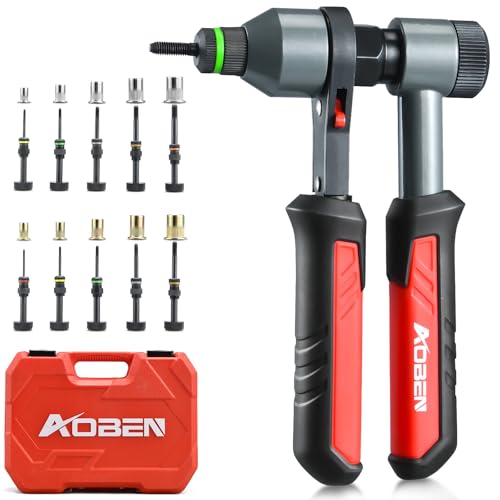
Aoben Rivet Nut Tool Kit with 10 mandrels and 100 rivnuts
AOBEN
Mid-Range
Rivet Nut Tool Hand Rivet Nut Tool with Metric & SAE mandrels
HIFESON
Budget
Rivet Gun Kit 1/4in with 210pcs Rivets & 5 Heads
FOREVTL
Budget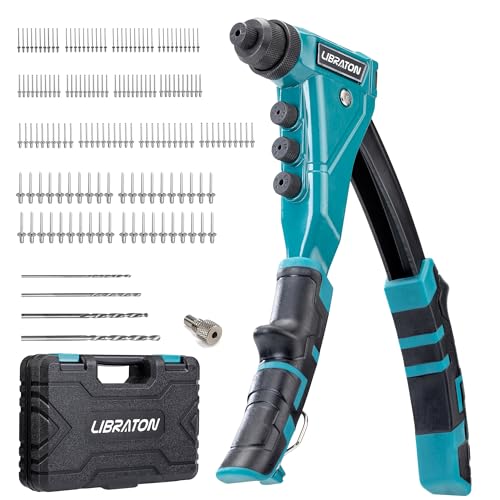
LIBRATON Heavy-Duty Rivet Gun Kit with 4 nozzles and 160 rivets
LIBRATON
Budget
Rivet Nut Tool Kit with Metric and SAE
HIFESON
Budget
Rivet Nut Tool Kit with Mandrels and Case
ZIOJOVK
Mid-Range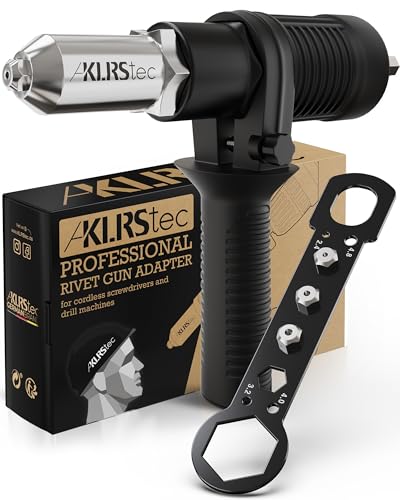
KLRStec Rivet Adapter for Cordless Drills
KLRS
Budget
Rivet Nut Tool Kit with 96pcs Rivnuts and 8 Mandrels
Duratl
Mid-Range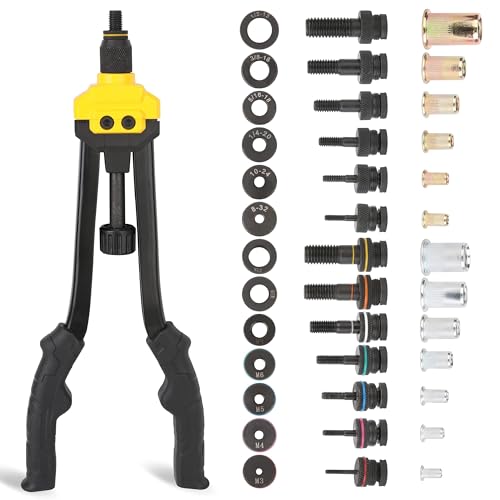
HURRICANE 16 Rivet Nut Tool with 13 Mandrels and 130 Nuts
HURRICANE
Mid-Range
Rivet Nut Tool Kit with 16-Inch handle and 12 mandrels
GIANTISAN
Mid-Range
Astro Pneumatic Hand Rivet Nut Kit 1443B (SAE & Metric) with Nuts
AP Astro Pneumatic Tool Company
Mid-RangeRoundups
Frequently Asked Questions
What types of riveters are available and which should I choose for automotive work?
Common types include manual hand riveters for light, occasional jobs; pneumatic (air) riveters for frequent or heavy-duty use in garages; and cordless battery riveters for portability. For most auto and garage tasks—bodywork, trim, and lightweight structural repairs—pneumatic or cordless riveters offer better speed and consistent setting than basic manual models
How do I choose the right rivet size and material for auto applications?
Select rivet diameter and grip range to match the thickness of the joined materials; manufacturers list grip ranges in inches or millimeters. For automotive use, aluminum rivets are common for body panels, steel or stainless rivets are better for structural or corrosion-prone areas, and blind (pop) rivets are useful where access is limited
What performance features matter most when comparing riveters?
Key features include pulling force (how thick/hard a rivet it can set), compatible rivet diameters, cycle speed, nosepiece variety, exhaust direction (for pneumatic tools), and ergonomics/weight for operator comfort. For pneumatic and cordless models, also consider duty cycle and maintenance needs
How much should I expect to spend and what are typical price tiers?
Riveters range from budget hand tools under $50 to mid-range pneumatic or cordless units between roughly $50–$200, with heavy-duty professional pneumatic systems and kits above that. Choose based on frequency of use: hobbyists often prefer lower-cost hand or cordless models, while shops typically invest in higher-capacity pneumatic tools
What maintenance is required to keep a riveter working reliably?
Regularly clean the nosepieces and jaws, replace worn jaws or nose assemblies, lubricate moving parts per the manufacturer's instructions, and for pneumatic tools, use filtered, lubricated air and check fittings. Inspect for worn or chipped components and replace parts to maintain consistent setting and safety
Can I use one riveter for all rivet types and sizes?
Not always—many tools support a range of diameters with interchangeable nosepieces, but heavy-duty or specialty rivets (large-diameter, structural, or high-strength blind rivets) may require a dedicated high-force pneumatic or hydraulic riveter. Verify the tool's listed compatible rivet sizes and maximum pulling force
What safety considerations should I follow when using riveters in a garage?
Wear eye protection and hearing protection for pneumatic models, keep hands clear of the setting area, secure workpieces, and vent exhaust away from the operator. For cordless units, observe battery safety; for pneumatic tools, depressurize and disconnect air before servicing