RV Air Conditioners
This category covers rooftop and portable air conditioners, components, and accessories for RVs and camper vans, spanning budget through premium options. Nineteen products are indexed with an average rating of 4.47 and prices ranging from $55 to $1,417; top brands include MICRO-AIR and Furrion
Top Products
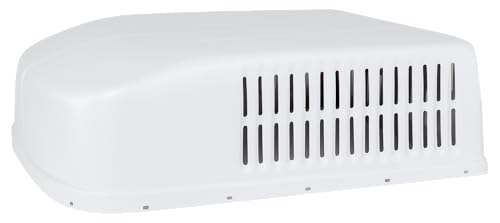
Icon A/C Shroud for Dometic Brisk Air Duo Therm, White
ICON
Premium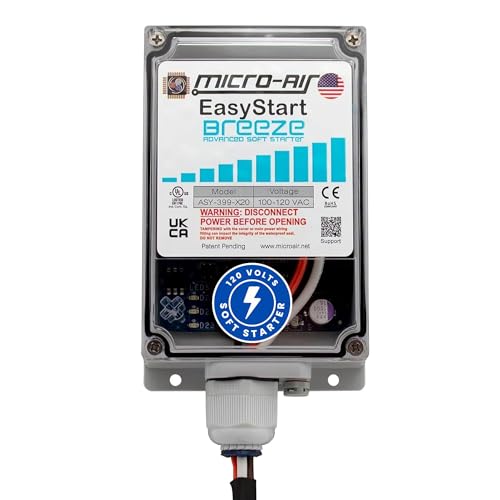
MICRO-AIR EasyStart Breeze 399 Soft Start for RV A/C
MICRO-AIR
Premium
MICRO-AIR EasyStart Breeze 399 Soft Start - RV A/C Starter
MICRO-AIR
Premium
MICRO-AIR EasyTouch RV Thermostat Replacement
MICRO-AIR
Premium
MICRO-AIR EasyTouch RV Thermostat Replacement
MICRO-AIR
Premium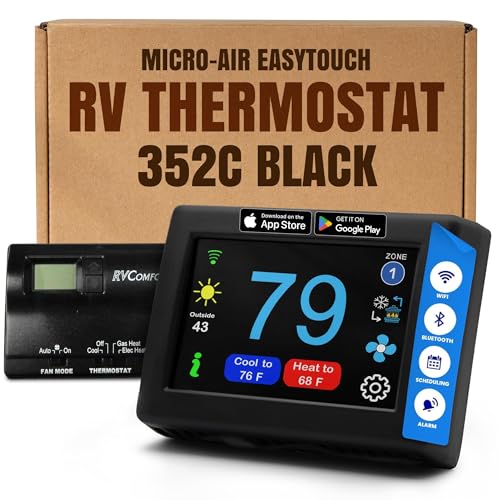
MICRO-AIR EasyTouch RV Thermostat Replacement
MICRO-AIR
Premium
MICRO-AIR EasyTouch RV Thermostat Replacement
MICRO-AIR
Premium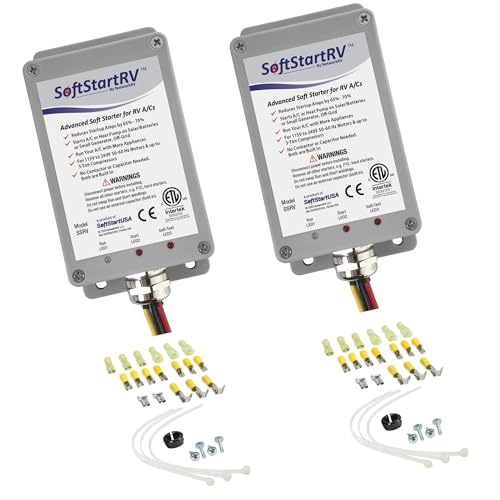
SoftStartRV RV AC Soft Start Kit (Pack of 2)
SoftStartRV
Premium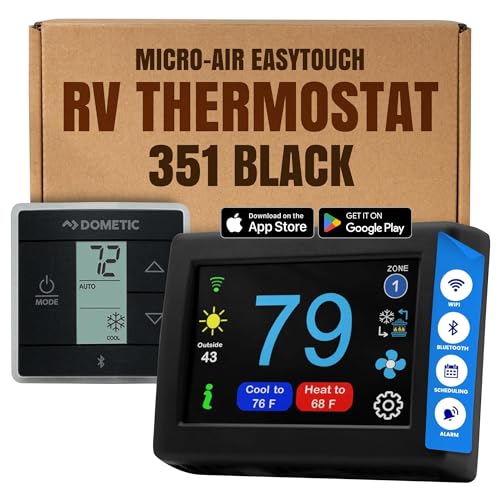
MICRO-AIR EasyTouch RV Thermostat Replacement
MICRO-AIR
Premium
Soft Start Kit for RV Air Conditioner
Wodli
Mid-Range
RV Air Conditioner vented shroud for Dometic Penguin II
Bonbo
Premium
Electric Heating Element Kit for Coleman Mach Heat Ready Ceiling Assemblies
Hihitomorrow
Mid-Range
RV 12V Rooftop Air Conditioner (10000 BTU) for RVs
outequip
Premium
RecPro RV A/C 15K Ducted or Non-Ducted with Heat Pump
RecPro
Premium
RecPro RV Air Conditioner 15K (Non-Ducted) 110-120V
RecPro
Premium
RecPro RV Air Conditioner 15K (Non-Ducted) Quiet 110-120V
RecPro
Premium
Furrion Chill Cube 18K RV Rooftop A/C (FACR18VSSA-BL-AM)
Furrion
Premium
TOSOT Go Cool RV A/C 15000 BTU Heat Pump, WiFi
TOSOT
Premium
Furrion Chill Cube 18K RV rooftop AC
Furrion
PremiumRoundups
Frequently Asked Questions
How do I choose the right size RV air conditioner for my vehicle?
Match the AC's BTU cooling capacity to your RV's size and insulation: small RVs or campers typically need 5,000–8,000 BTU, mid-size travel trailers 8,000–13,500 BTU, and larger motorhomes or poorly insulated units may need 13,500 BTU or more; also account for ceiling height, sun exposure, and typical occupancy
What power requirements and electrical hookups should I check before buying?
Confirm your RV's electrical system voltage (12V, 110–120V, or 240V) and breaker/amperage capacity; many rooftop ACs require a 30A or 50A shore power connection or a generator capable of starting loads, and some units have high startup current needs unless equipped with a soft start
What's the difference between rooftop and portable RV air conditioners, and which is better?
Rooftop ACs are permanently installed, offer higher capacity and quieter operation, and save floor space; portable units are easier to install and move but usually provide lower cooling capacity and require exhaust routing and space inside the RV
How much should I expect to spend and what affects price?
RV air conditioners generally range from lower-cost portable or compact units to rooftop systems; price is influenced by capacity (BTU), brand, features like inverter or soft-start technology, installation complexity, and whether ducting or replacement lids are needed; average prices for rooftop units are in the mid-hundreds to low-thousands range
Are inverter or soft-start systems worth the extra cost?
Inverter-driven units offer variable-speed operation for improved efficiency and quieter running, while soft-start devices reduce startup current to prevent tripping breakers and allow use with smaller generators; both can improve performance in tight electrical setups and lower runtime energy use
What maintenance is required to keep an RV AC running well?
Regular maintenance includes cleaning or replacing filters, clearing debris from rooftop units, checking condensate drains and coils for buildup, confirming seals around the unit are intact, and having refrigerant and electrical components inspected by a technician as needed
Can I install an RV rooftop AC myself or should I hire a professional?
DIY installation is possible for experienced owners familiar with roofing seals, refrigerant lines, and electrical wiring, but professional installation is recommended if the job involves refrigerant handling, complex wiring, cutting the roof, or maintaining warranty conditions