RV Black Water Tanks
This category covers RV black water tank components and accessories—replacement tanks, fittings, valves, sensors and mounting hardware—used for wastewater containment and maintenance. Ten indexed products average 4.55 stars and range from about $123 to $399, with brands like Venustank represented among mid-range to premium options
Top Products

Camco Rhino 15-Gallon Portable RV Tote Tank with Wheels
Camco
Mid-Range
Camco Rhino 21-Gallon Portable Waste Tank with Heavy-Duty Wheels
Camco
Premium
Camco Rhino 36-Gallon Portable RV Tote Tank
Camco
Premium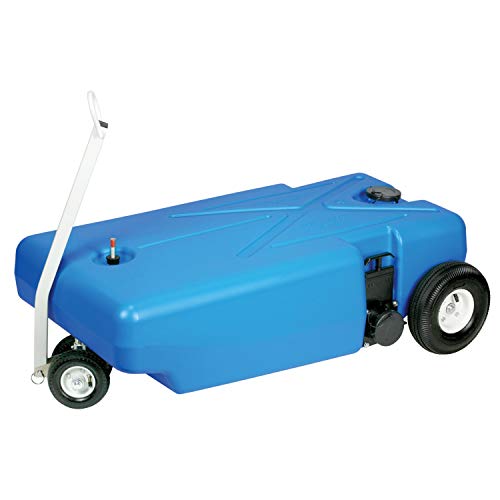
Barker 4-Wheeler Tote Tank 42 Gal
BARKER
Premium
Barker 4-Wheeler Tote-Along 25 Gallon Blue
BARKER
Premium
16 gallon RV portable waste tank tote with wheels
Venustank
Premium
30 Gallon RV Portable Waste Tank Tote with 4 Wheels
Venustank
Premium
RecPro 36 Gallon Portable Waste Tank (Blue) - Tote & Dump
RecPro
Premium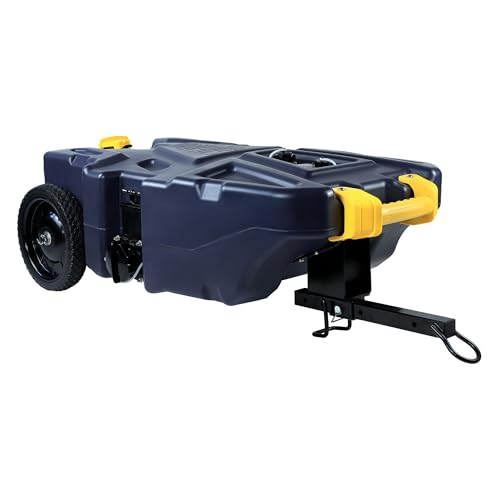
39-Gallon RV Tote Waste Tank with 2 Wheels
Venustank
Premium
39 Gallon RV Portable Waste Tank Tote with 4 Wheels
Venustank
PremiumRoundups
Frequently Asked Questions
How do I choose the right capacity black water tank for my RV?
Choose a tank capacity that matches your RV's plumbing layout and usage patterns; smaller trailers often use 10–20 gallon tanks while larger motorhomes use 30–45+ gallon tanks. Check the available space under the RV, mounting points, and toilet/dump frequency to balance capacity with weight and clearance
What materials and construction features should I look for in an RV black water tank?
Look for tanks made of durable polyethylene or rotationally molded plastic for corrosion resistance and impact strength, reinforced seams, and integrated mounting flanges or brackets. Features like an accessible cleanout port, level-sensing fittings, and a durable valve interface improve maintenance and longevity
How much do RV black water tanks cost and what affects price?
Prices vary by capacity, material quality, and brand; typical replacement tanks fall across a wide range with many options under several hundred dollars. Larger capacity tanks, OEM-fit designs, and models with extra accessories (valves, sensors, fittings) tend to cost more
Can I install or replace a black water tank myself, and what are the basic steps?
DIY replacement is possible if you have moderate mechanical skills: drain and disconnect plumbing, support and remove the old tank, transfer or replace fittings and sensors, fit the new tank in place, and reconnect plumbing and vent lines while ensuring proper seals. Follow vehicle-specific service manuals, use proper safety equipment, and consider professional help if access is restricted or structural work is needed
How do I maintain and winterize a black water tank to prevent odors and damage?
Regularly flush the tank with water after use, use approved tank treatments or enzymes to reduce solids and odors, clean the macerator or gate valve as recommended, and winterize by draining, blowing out lines, and adding RV antifreeze if temperatures will drop below freezing. Inspect seals and valves periodically for leaks or deterioration
What should I know about sensors and compatibility when replacing a black water tank?
Ensure the new tank has compatible openings and sensor bosses for your existing level sensors or be prepared to transfer or adapt sensors; check sensor types (float, pressure, or ultrasonic) and mounting locations. Some tanks include pre-molded sensor ports while others require drilling or adapters
Are there legal or environmental considerations for disposing of or replacing an RV black water tank?
Dispose of an old tank following local regulations for plastic or large vehicle components, and never dump contents onto the ground; use designated dump stations or sewage connections. When replacing, ensure venting and sewage connections meet local plumbing and campground rules to prevent spills and contamination