RV Power Converters
RV power converters for auto and garage use convert shore or generator AC to DC and manage battery charging, onboard electronics, and fused distribution for RVs and trailers. Typical units include compact 12V converters, multi-stage chargers, and power-management modules; average price is about (price varies) with brands like PowerMax represented among 40 indexed products (avg rating 4.42)
Top Products
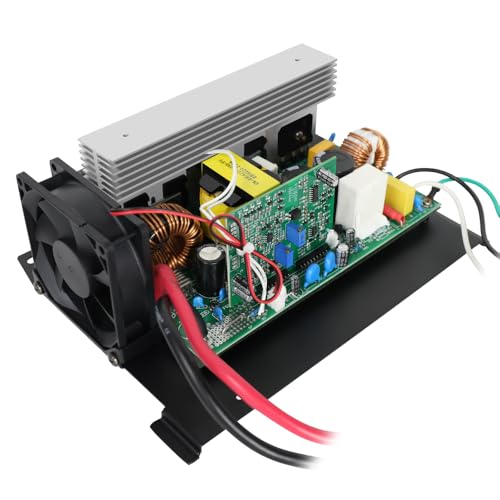
RV 55A Converter for WF-8955 & Parallax 7155 (MBA) replacement
Onylraep
Mid-Range
PowerMax PM3 15LK RV Converter with 12V output
PowerMax
Mid-Range
WF-8955-MBA 55 Amp RV Power Converter
suplife
Mid-Range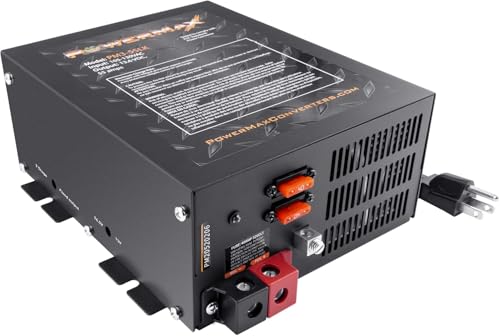
PowerMax PM3-55 RV Power Converter
PowerMax
Mid-Range
PowerMax 35 Amp RV Power Converter Charger
PowerMax
Mid-Range
RV WF-8955-AD-MBA 55 Amp Converter
Onylraep
Mid-Range
WF-9855 55 Amp RV Power Converter for Lead-Acid Battery
suplife
Mid-Range
WF-9855 55 Amp RV Power Converter (AD) Replace for RV
Xmnbl
Mid-Range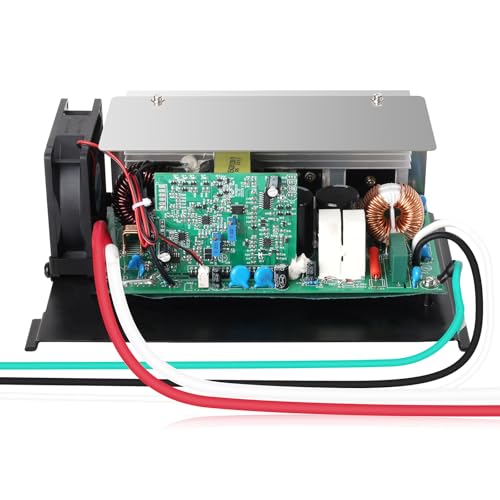
WF-8955-MBA RV power converter accessory
suplife
Mid-Range
PowerMax PM4 45A 12V RV converter
PowerMax
Mid-Range
WF-8935-AD-MBA RV Converter 35 Amp DC Main Board Assembly
Saree
Mid-Range
VEVOR RV Converter 55A 110V to 12V DC 4-stage charging
VEVOR
Mid-Range
WF-9855 55 Amp RV Converter/Charger
CLCWUJ
Mid-Range
WF-9855 55 Amp RV Power Converter for Lithium Battery
suplife
Mid-Range
PowerMax 60 Amp RV Converter 12V Smart Charger
PowerMax
Mid-Range
PowerMax PM3 75LK RV Power Converter 12V 75A
PowerMax
Premium
9855-AD 55 Amp Deck Mount Power Converter/Charger
GYHMK
Mid-Range
WF-9855 55 Amp Deck Mount Charger/Converter for RV
USSKYBOY
Mid-Range
VEVOR RV Converter 45A 12V DC Charger for 110V AC
VEVOR
Mid-Range
PowerMax 55A RV Converter with 4-stage Smart Charger
PowerMax
Mid-Range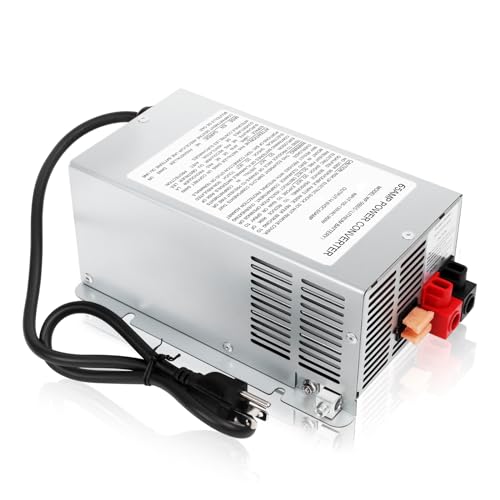
WF-9865-AD 65A RV Power Converter for Lead-Acid Battery
suplife
Mid-Range
RecPro RV Power Converter 35 Amp | 12V/120V charging
RecPro
Mid-Range
RecPro RV Power Converter 55 Amp for 12V Systems
RecPro
Premium
RecPro RV Power Converter 45 Amp | 120V to 12V
RecPro
Mid-RangeRoundups
Frequently Asked Questions
What is an RV power converter and why do I need one?
An RV power converter converts 120V AC shore or generator power to 12V DC to run lights, charge batteries, and power 12V appliances inside the RV; it is essential for maintaining battery charge and supplying DC loads when shore power is available
How do I choose the right wattage or amperage rating for an RV power converter?
Select a converter with a continuous DC output amperage that meets or exceeds the total 12V load plus battery charging needs—add up all DC appliance currents and include a margin (typically 20–30%) to avoid overload and allow concurrent charging
Should I get a converter with multi-stage charging and why does it matter?
Yes—multi-stage (bulk, absorption, float) charging optimizes battery health by reducing overcharging, improving charge efficiency, and extending battery life compared with single-stage chargers
What form factors and installation considerations should I know about?
Check physical dimensions, mounting orientation, ventilation requirements, input/output wiring terminals, and whether the unit replaces an OEM converter or mounts remotely; ensure compatibility with your RV’s AC breaker size and DC distribution system
How much should I expect to spend and what affects price?
Prices vary by capacity and features: budget converters can be under $50, common options fall in the $50–$200 range, while higher-capacity or feature-rich models cost more; factors include amperage rating, multi-stage charging, power-saving modes, and build quality
What maintenance or care does an RV power converter require?
Keep vents clear of dust and debris, inspect wiring and terminals for corrosion or looseness periodically, ensure proper ventilation to avoid overheating, and follow manufacturer recommendations for environment and load limits
How can I tell if my converter is failing and what troubleshooting steps should I try?
Common signs of failure are batteries not charging, blown DC fuses, tripped AC breakers, or unusual noise/heat; troubleshoot by checking AC input presence, verifying DC output voltage with a multimeter, inspecting fuses and wiring, and testing with minimal DC load