Safety Reflectors
Safety Reflectors in Auto & Garage covers vehicle and roadside reflectors, marker tape, and mounting hardware for visibility and safety. The 12 indexed products average a 4.49 rating and range from budget to mid-range prices (about $32–$145), with brands like All Star Truck Parts represented
Top Products

CARTMAN 3 Pack DOT Approved Reflective Warning Triangle Kit
CARTMAN
Budget
DSV Standard Warning Triangles, DOT Approved, 3 Pack
DSV Standard
Budget
CARTMAN 12 Pack Warning Triangle with Case
CARTMAN
Mid-Range
Warning Safety Triangle Kit with 2 LED Flare Light and Case
iMonse
Budget
FiberMarker 36-Inch Reflective Driveway Markers (20 Pack) Hollow Orange
FiberMarker
Budget
Oval Reflectors Red/Amber Self Adhesive or Drill Mount
All Star Truck Parts
Budget
CARTMAN 12 Pack DOT Approved Warning Triangle Set
CARTMAN
Mid-Range
FiberMarker 48-Inch Reflective Driveway Markers (50 pack) - Green
FiberMarker
Budget
FiberMarkers 72in Reflective Driveway Markers, 20-pack
FiberMarker
Mid-Range
Road Reflectors Pack of 10 (Blue) 4x4 in
Merhoff & Larkin
Budget
3" Round DOT-SAE Amber/Red Reflective Prism Reflector (24)
All Star Truck Parts
Budget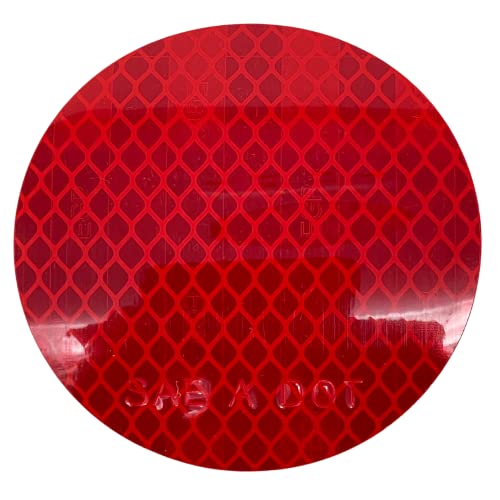
3" Round DOT-SAE Amber/Red Reflective Prism Reflector w/ Strong Adhesive
All Star Truck Parts
PremiumRoundups
Frequently Asked Questions
How do I choose the right type of safety reflector for my vehicle or garage use?
Select reflectors based on mounting location and purpose: adhesive or magnetic thin strips for doors and panels, rigid reflective plates or triangles for tow/roadside use, and reel or tape markers for long runs. Check size, reflectivity grade (high-intensity vs. standard), mounting method, and weather/UV resistance to match your installation and visibility needs
What reflectivity standards or features should I look for to ensure adequate visibility?
Look for reflectors described as high-intensity or meeting general retroreflective standards; features like microprismatic surfaces or multi-directional reflectivity improve visibility from different angles. Also confirm they specify outdoor/weather resistance and consider color—red/amber for rear/side, white for front or forward-facing applications
How much should I expect to spend on safety reflectors for auto and garage use?
Reflectors in this category typically range from budget options under $20 for simple adhesive or magnetic pieces to $50–$100 or more for heavy-duty plates, folding triangles, or branded assemblies; the average price in this dataset is around $56. Regular tape/strip markers are at the lower end of the range
Are magnetic or adhesive reflectors better for temporary vs. permanent mounting?
Magnetic reflectors are best for temporary or frequently moved applications on ferrous metal surfaces; adhesive reflectors work better for semi-permanent installations or non-metal surfaces. For long-term outdoor use, choose adhesives rated for UV and temperature extremes or mechanical fasteners where possible
How do I maintain reflectors to preserve reflectivity and longevity?
Keep surfaces clean with mild soap and water, avoid solvent cleaners that can degrade reflective films, and inspect periodically for peeling, scratches, or clouding; replace reflectors showing damage or reduced reflectivity. For taped or adhesive products, check bond integrity after temperature extremes and reapply or replace if edge lift occurs
Can safety reflectors be used on different vehicle types, like trucks, trailers, and passenger cars?
Yes—reflector form factors vary by application: larger rigid plates and conspicuity tape are common for trucks and trailers to meet visibility needs, while smaller adhesive or magnetic reflectors suit passenger cars and garage doors. Choose size, color, and mounting method appropriate to the vehicle and local regulations
What colors and placement should I follow to comply with typical visibility practices?
Common practice is white or amber reflectors on the front/forward-facing areas, red on rear-facing areas, and amber or red on sides depending on vehicle length. Place reflectors at vehicle extremities and along sides at regular intervals so they are visible from typical approach angles; follow local vehicle code if specific placement rules apply