Spot Welding Equipment
Spot welding equipment for auto and garage use, including portable spot welders, stud welders, and replacement tips and accessories. Catalog spans budget to mid-range tools with prices averaging about (price varies) and brands like Docreate represented. Average customer rating across 11 indexed products is 4.27
Top Products
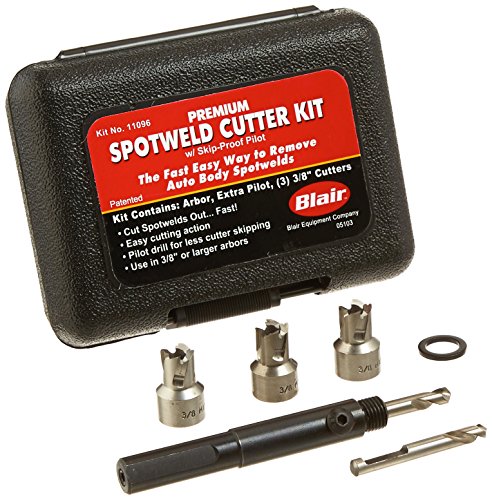
Blair Cutter Set for 3/8" Hand Drill Chucks
Blair Equipment
Mid-Range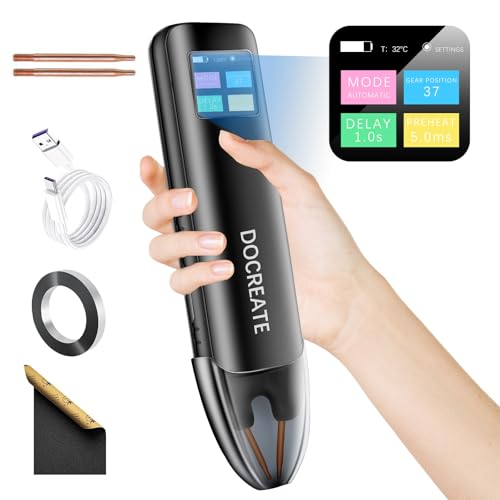
Spot Welder with LCD, 99 Gear, Portable 18650 Battery
Docreate
Budget
Rechargeable portable spot welder for 18650 batteries
Docreate
Budget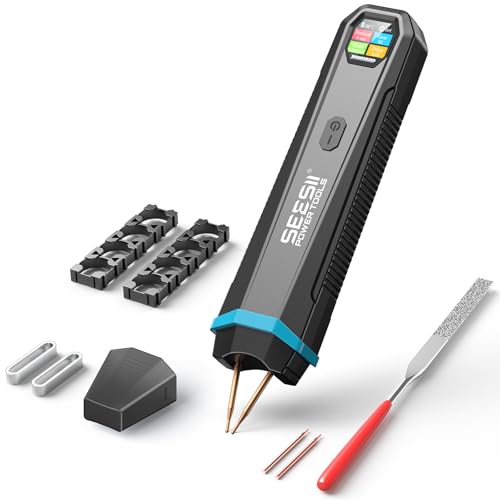
SEESII Battery Spot Welder with Visual Display
SEESII
Budget
SEESII Battery Spot Welder: compact cordless welder for lithium cells
SEESII
Budget
SeeSii handheld battery spot welder and tester
Seesii
Budget
Docreate 5000W Spot Welder, 10-Position Output, Portable
Docreate
Mid-Range
8000W Spot Welder, Handheld DIY Kit, high power portable welding machine
Docreate
Mid-Range
Battery spot welder with LCD screen, 1.5" display, 18650 pack welder
AWithZ
Mid-Range
8000W handheld spot welder for 18650 batteries
Hosyond
Mid-Range
Spot Welder 3000F with LCD, 120 levels, 18650 battery storage
Docreate
Mid-RangeRoundups
Frequently Asked Questions
What types of spot welders are commonly used for auto and garage work and how do I choose between them?
Common types are handheld capacitor discharge (CD) spot welders for quick, low-thickness welds; inverter or transformer-based units for higher current and repeated use; and portable stud/point welders for attaching nuts or studs. Choose based on the material thickness you’ll weld (CD for thin sheet metal, inverter/transformer for thicker panels), duty cycle needs, and portability requirements
What welding power and duty cycle do I need for automotive sheet metal repair?
For typical automotive sheet metal (0.6–1.2 mm), a unit that delivers sufficient current for short pulses and a moderate duty cycle is appropriate; look for welders rated for repetitive short welds without overheating. Higher duty cycles and adjustable current/pulse settings are important if you plan frequent or heavier repairs
Which safety features and personal protective equipment are essential when using spot welding equipment?
Essential safety features include insulated handles, reliable grounding, and built-in overheat/overcurrent protection. Use leather gloves, eye protection rated for welding, proper ventilation to avoid fumes, and avoid wearing conductive jewelry or damp clothing near the welder
How should I maintain a spot welder to ensure consistent weld quality and long service life?
Regularly inspect and clean electrode tips, replace worn tips, check cables and connections for damage or looseness, and follow the manufacturer's recommended cooling intervals. Keep the machine and vents clean of dust and store in a dry environment
Can spot welders join different metals or work with coated/painted surfaces?
Spot welding typically works best on similar metals, especially steel-to-steel; dissimilar metals and aluminum require specialized settings or electrodes. Coatings and paint can interfere with weld quality, so surfaces are usually cleaned or ground at the weld spot for reliable results
What accessories or consumables should I budget for when buying a spot welder?
Budget for replacement electrode tips, contact clamps or grounding leads, protective gloves and eye gear, and possibly cooling components or replacement cables; consumable frequency depends on usage and material types
How do I match a spot welder to my workshop's electrical supply?
Check the welder's voltage and current requirements and confirm your shop's circuit capacity; small portable units often run on standard 110–120V circuits while higher-power welders may require 220–240V and dedicated circuits. Ensure proper plug type and consider an electrician for installation of higher-voltage equipment