Tires
This category lists automotive tires and related wheel products for cars, light trucks, and golf carts, with 10 indexed items averaging a 4.63 rating. Prices span about $61 to $457 (average ~(price varies)), covering budget through mid‑to‑premium options; top brands include Golf Cart King and Continental
Top Products

Arisun Cruze 215/35-15 DOT Golf Cart Tire (4-Ply) - Street Legal
Golf Cart King
Mid-Range
eCustomrim 2-pack golf cart tires on rims 18x8.5x8 4 lug
eCustomRim
Mid-Range
Arisun Cruze 205/65-10 Golf Cart Tire Set (4-ply), Street Legal
Golf Cart King
Mid-Range
Continental ProContact-E 235/45R18 94H
Continental
Premium
Kenda Hole-N-1 K389 20x10-10 Tubeless Golf Cart Turf Tire 2 Pack
Kenda
Premium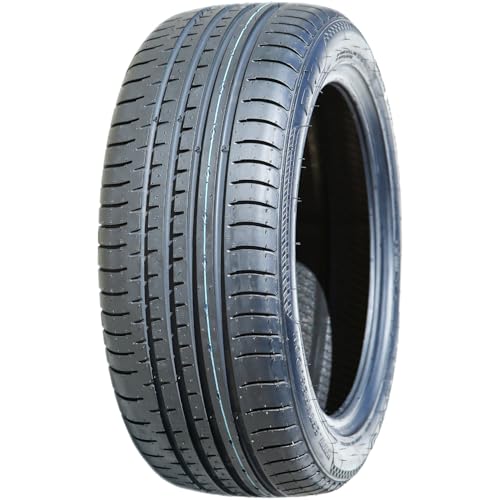
245/30ZR20 93Y Accelera Phi tire
Accelera
Mid-Range
Arisun Cruze 215/35-15 Golf Cart Tire (4-Ply) DOT Street Legal
Golf Cart King
Premium
Arisun Cruze 205/65-10 Golf Cart Tire Set (4-ply) — Street Legal
Golf Cart King
Premium
Cooper ProControl 265/65R18 tire
Cooper
Premium
Duraturn DA20 AP tire
Continental
PremiumRoundups
Frequently Asked Questions
How do I choose the right tire size for my vehicle?
Check the tire placard on the driver’s door jamb or the owner’s manual for the manufacturer-recommended size (e.g., 205/55R16). Use that size when shopping, and if you plan to change wheel diameter or load rating consult a tire professional to ensure speedometer calibration, load capacity, and clearance remain appropriate
What are the main differences between all-season, summer, and winter tires?
All-season tires offer balanced performance for varied conditions and moderate climates; summer tires prioritize dry and wet traction and handling at warm temperatures; winter tires use softer rubber compounds and specialized tread patterns for traction on snow and ice. Choose based on the typical climate and driving conditions where you live
How much should I expect to spend on replacement tires?
Tire prices vary by size, brand, and performance category; light-vehicle tires commonly range from about (price varies) to several hundred dollars each, with many everyday passenger tires falling in a mid-range around $100–$250 per tire. Also factor in mounting, balancing, alignment, and disposal fees when budgeting
What do treadwear, traction, and temperature ratings mean?
Treadwear is a comparative wear rate (higher numbers usually indicate longer tread life), traction grades (AA, A, B, C) rate stopping capability on wet pavement, and temperature grades (A, B, C) indicate heat resistance at speed; use these ratings to compare durability, wet grip, and heat tolerance across tires
When should I replace my tires?
Replace tires when tread depth reaches 2/32 inch (legal minimum in many places), when you notice sidewall damage, bulges, or persistent vibration, or when tires are older than about six to ten years regardless of tread—check manufacture date on the sidewall (DOT code) and have an expert inspect questionable tires
Are run-flat tires worth considering?
Run-flat tires let you drive a limited distance at reduced speed after a puncture, removing the immediate need for a roadside change, but they typically cost more, can ride stiffer, and may require a tire pressure monitoring system and workshop repair or replacement; weigh convenience against cost and ride comfort
How can I extend tire life and maintain performance?
Regularly check and maintain proper tire pressure, rotate tires every 5,000–8,000 miles (or per manufacturer guidance), keep wheel alignment and suspension in good condition, and inspect tires for uneven wear or damage; proper maintenance improves safety, fuel economy, and tread life