Tool Trays
Tool trays for auto and garage use include magnetic trays, removable organizers, roll-up mats, and compartmented trays for sockets, fasteners, and small parts. The category averages a 4.56 rating across 99 indexed products, with mid-range pricing around $33–$200 and brands like Olsa Tools represented
Top Products

ERUST Tool Garage Organizer Tray, Red, 3-Compartments (Pack of 4)
Ernst Manufacturing
Mid-Range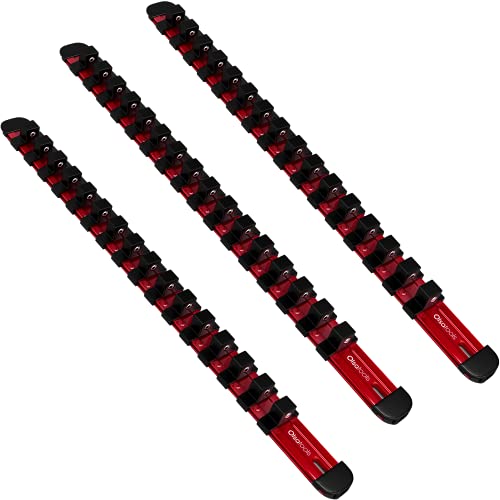
Olsa Tools 3pc Aluminum Socket Organizer Kit
Olsa Tools
Budget
Olsa Tools 3pc Aluminum Socket Organizer Rail
Olsa Tools
Budget
Hansen 6 Pack 2 Row Socket Holders
Hansen Global
Budget
Olsa Tools 3pc Aluminum Socket Organizer Kit
Olsa Tools
Budget
Olsa Tools 3pc Aluminum Socket Organizer with Locking End Caps
Olsa Tools
Budget
Olsa Tools Portable Socket Organizer Tray
Olsa Tools
Mid-Range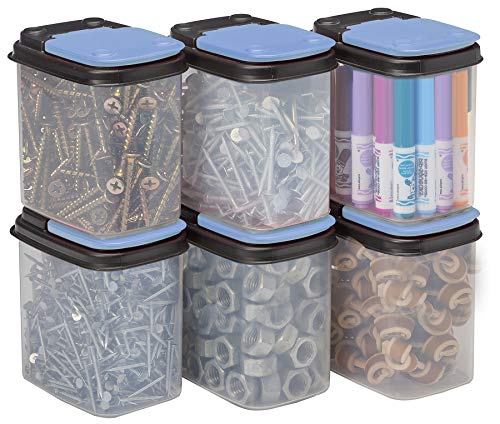
Buddeez clear plastic storage bins with blue lids (1 qt, 8-pack)
Buddeez
Mid-Range
Ernst 18-Inch Socket Boss Universal Socket Organizer Tray
Ernst Manufacturing
Budget
Ernst 18-Inch Socket Boss 3-Rail Organizers
Ernst Manufacturing
Budget
Olsa Tools Magnetic Socket Organizer 3-Piece Set
Olsa Tools
Budget
Olsa Tools Magnetic Socket Organizer | 3-Piece Kit (1/2, 3/8, 1/4 drive) metric
Olsa Tools
Budget
Olsa Tools Magnetic Socket Organizer 3-Piece
Olsa Tools
Budget
Olsa Tools Magnetic Socket Organizer 3-Piece
Olsa Tools
Budget
ARES Magnetic Socket Organizers Set (3-piece) 1/4, 3/8, 12-in drive
ARES
Mid-Range
Ernst 3-Rail Socket Holder Tray with Twist-Lock Clips
Ernst Manufacturing
Budget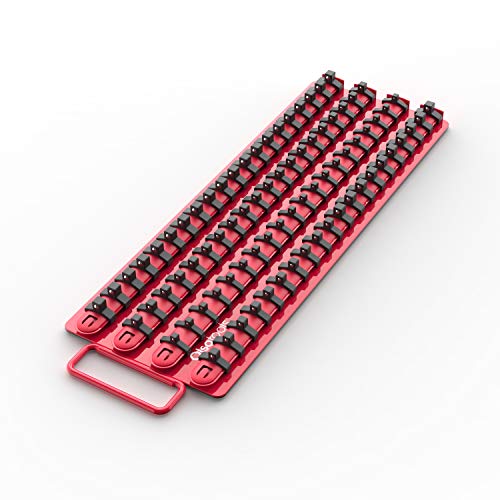
Olsa Tools Socket Organizer Tray - 80-socket, red rail
Olsa Tools
Budget
Magnetic Socket Organizer Set (6-piece) for 1/4, 3/8, 1/2 drive
SWANLAKE GARDEN TOOLS
Budget
Flexible Magnetic Tool Holder 12.5x9.5, USA-made
Lodesol
Budget
ARES Magnetic Socket Organizers 3-Piece Set, SAE
ARES
Mid-Range
Magnetic Socket Organizer Set (6-Piece) for 1/4–1/2” Drives
Hang Zhou Great Star Industrial Co., Ltd.
Mid-Range
6-Piece Magnetic Socket Organizer Set (SAE/Metric) 1/2, 1/4, 3/8 in
EACELIY
Budget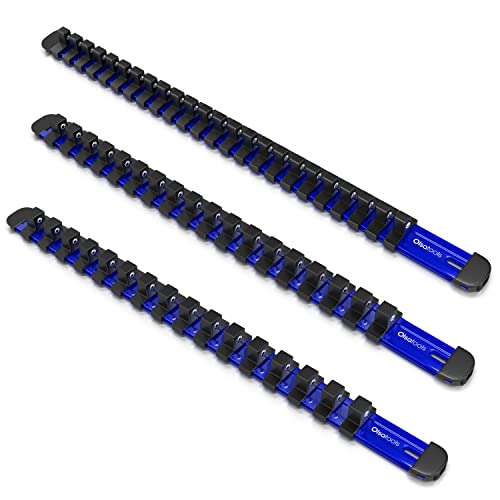
Olsa Tools 3 pc Socket Organizer Set
Olsa Tools
Mid-Range
ARES magnetic socket organizer set (3-pc) metric
ARES
Mid-RangeRoundups
Frequently Asked Questions
How do I choose the right tool tray for automotive and garage use?
Choose a tray based on capacity and material: metal or heavy-duty steel for durability and magnetic or non-slip bases for holding sockets and small metal parts; deeper plastic or molded trays are better for larger tools and fluids. Match tray size and compartment layout to your toolbox, workbench, or rolling cart and consider weight capacity if you’ll carry heavy tools
What materials and features should I prioritize for durability and corrosion resistance?
Look for powder-coated or stainless steel and high-strength polypropylene plastic for corrosion resistance and impact durability. Additional useful features include reinforced edges, rubberized non-slip bottoms, and sealed or removable compartments to limit exposure to oil and solvents
Are magnetic tool trays worth it, and when should I use a magnetic tray instead of a regular one?
Magnetic trays are useful for holding small ferrous items like screws, nuts, and sockets while working on a vehicle to prevent loss; they’re best for temporary, overhead, or vertical placement. Use non-magnetic trays when you need to store non-ferrous parts, or when magnetic surfaces could interfere with electronics or delicate sensors
How much should I expect to spend on a decent tool tray for garage use?
Tool trays in this category typically range from budget options under $25 for simple plastic trays to $50–$100 for heavy-duty or magnetic steel trays; specialized multi-compartment or professional-grade trays can cost more. The average price across similar products is around the mid-(price varies) range
How do I clean and maintain a tool tray to extend its life?
Wipe out oil and debris regularly with a degreaser or mild detergent, rinse and dry thoroughly to prevent rust on metal trays, and apply a light oil or rust inhibitor to steel edges if needed. For plastic trays, avoid strong solvents that can degrade material and check rubber feet or liners for wear
What size and compartment layout works best for socket sets and small hand tools?
A shallow tray with multiple small compartments or removable inserts works well for organizing sockets by size and keeping fasteners separated; for ratchets and hand tools, a longer shallow tray or molded slots that match tool shapes is preferable. Consider a combination tray that offers both shallow sections for tools and deeper bins for loose parts
Can tool trays be used with rolling tool carts or bench vises, and how do I secure them?
Many trays include built-in magnetized bases or rubber anti-slip pads to secure them to metal carts and benches; some have mounting holes or clips for bolting to a surface. For non-magnetic attachment, use non-slip mats, Velcro strips, or clamps to prevent shifting during movement