Towing Hitch Mounts
Towing hitch mounts for vehicles and trailers, including receiver mounts, ball mounts, and accessory adapters for hauling cargo, bikes, and equipment. Catalog shows 50 indexed products with an average rating of 4.50 and price range from $33 to $287 (avg ~(price varies)); brands include KAIRAY and MAXXHAUL
Top Products
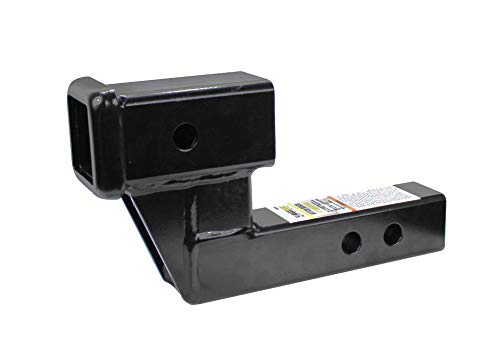
MaxxHaul 50397 Trailer Hitch Riser for 2in Receivers, 4in Rise/Drop
MAXXHAUL
Budget
MaxxHaul 50650 Trailer Hitch Riser 2 in, 6 in Rise/Drop
MAXXHAUL
Budget
Pintle Hitch Mount for 2in Trucks, 14k MTW, 9in
Buyers Products Company
Budget
DEEAGLE 3-Ball Hitch with Hook, Tri Ball 1-7/8" 2" 2-5/16"
DEEAGLE
Mid-Range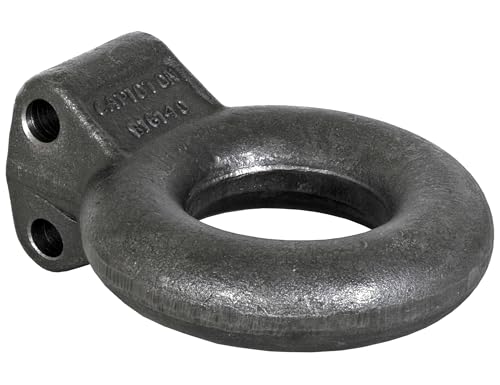
Buyers Products Tow Eye, 3" ID, 10 Ton
Buyers Products Company
Budget
BougeRV Hitch Wall Mount for 1.25/2 Receiver
BougeRV
Mid-Range
KAIRAY 2in trailer hitch extender with anti-rattle stabilizer (7in) + pin kit
KAIRAY
Budget
Tow Eye, Forged Steel, 3in ID, 12.5 Ton, Pintle Hitch Lunette Ring
Buyers Products Company
Mid-Range
Trailer hitch riser with 2.25 in rise/drop for 2 in receiver
REYSUN
Mid-Range
KAIRAY 2-in Receiver Hitch Extender 2x2
KAIRAY
Budget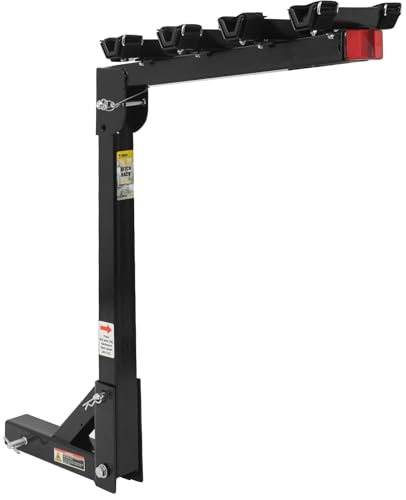
MaxxHaul Hitch Mount Bike Rack 4-Bike Carrier, Black
MAXXHAUL
Mid-Range
Pintle Hitch Mount for 2in Receivers, 13,000 lb MGTW
Buyers Products Company
Mid-Range
GrdnCare 12" Trailer Hitch Extension with Pin & Cover
GrdnCare
Budget
MaxxHaul 2 in. hitch riser with 6 in. rise/drop
MAXXHAUL
Mid-Range
Heavy Duty Zero Turn Lawn Mower Hitch with 2" Ball
REDTEE
Budget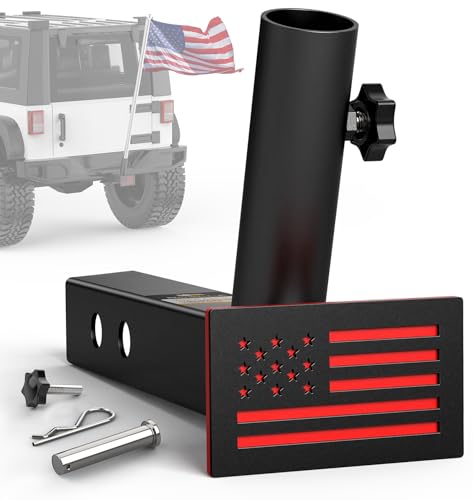
Boslla Hitch Flag Pole Holder for 2" receivers
boslla
Budget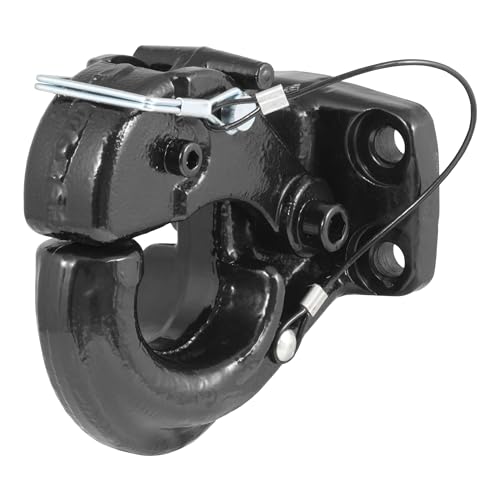
CURT Pintle Hook Hitch 30,000 lbs for 2-1/2" to 3" lunette ring
CURT
Mid-Range
2'' Trailer Hitch Extension 16.3'', Foldable 2" Shank
CPROSP
Mid-Range
KAIRAY trailer hitch riser extender 10" drop 2" shank
KAIRAY
Mid-Range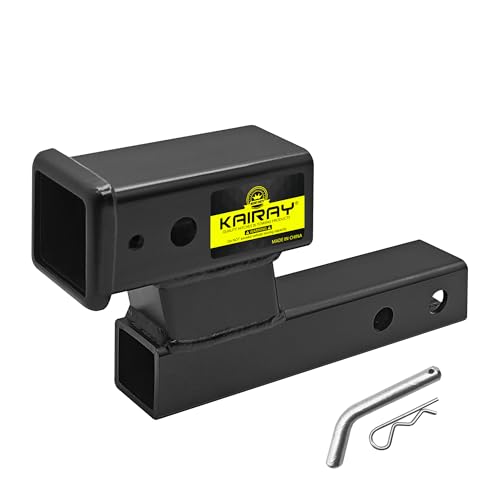
KAIRAY trailer hitch riser extender 4" drop, 2" shank
KAIRAY
Mid-Range
Pintle Hitch Lunette Ring with Forged Steel
GADFISH
Mid-Range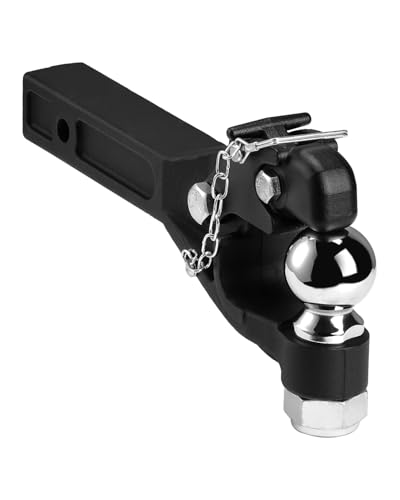
VEVOR Pintle Hook 20000 lbs with 2/2.5 in receivers and 2-5/16 in ball
VEVOR
Mid-Range
GADFISH Trailer Hitch Flag Pole Mount
GADFISH
Mid-Range
Ayleid Tri-Ball Trailer Hitch Mount with Hook & Rotatable Shackle
Ayleid
Mid-RangeRoundups
Frequently Asked Questions
How do I choose the correct class and receiver size for a hitch mount?
Match the hitch class and receiver opening to your vehicle and towing needs: Class I–III typically use 1-1/4" or 2" receivers for light to medium loads, while Class IV–V use 2" or 2-1/2"+ receivers for heavy loads. Check your vehicle’s hitch rating and the tongue weight and gross trailer weight (GTW) of what you’ll carry to ensure the mount and receiver are rated equal to or higher than your requirements
What weight ratings should I look for on a tow hitch mount?
Look for two ratings: Gross Trailer Weight (GTW) and Tongue Weight (TW). Choose a mount with GTW and TW equal to or higher than the combined weight of the trailer or cargo and the downward force on the hitch; common consumer mounts range from a few hundred pounds for bike racks to several thousand pounds for towing
Can I use the same hitch mount for towing and accessory mounts (bike racks, cargo carriers)?
Not always; towing mounts have specific GTW/TW ratings and often require ball mounts, whereas accessory mounts (bike racks, cargo carriers) are designed for tongue-weight limits and may have different attachment methods. Verify the accessory’s TW rating and that it’s compatible with your receiver size and safety chain/locking requirements
What materials and finishes provide the best corrosion resistance and durability?
Steel with powder-coat or e-coat finishes is common for strength and corrosion resistance; stainless steel components resist rust but cost more. Look for welded construction, plated hardware, and listings that mention rust-resistant coatings or corrosion protection for long-term durability
How do I measure for proper drop or rise on a ball mount?
Measure from the ground to the trailer coupler and from the ground to the hitch pin hole; the difference is the required drop or rise. Choose a ball mount that provides that vertical offset so the trailer sits level when hitched, staying within the mount’s rated capacity
Are hitch mounts easy to install and remove, and do I need special tools?
Many receiver-mounted accessories install by sliding into the receiver and securing with a hitch pin or lock; basic hand tools like a wrench for ball mounts or torque wrench for coupler hardware may be needed. Some installs require tightening to specified torque values—check manufacturer instructions for required tools and torque specs
How should I care for my hitch mount to maintain safety and longevity?
Regularly inspect for cracks, bent components, loose hardware, and corrosion; clean off road salt and debris, touch up chipped paint with rust-inhibiting coating, and lubricate moving parts or the hitch ball per manufacturer guidance. Replace any components that show structural damage or where ratings are compromised