Towing Weight Distributing Hitches
Towing weight distributing hitches and associated hardware for trailers and tow vehicles, including spring bars, shank adapters, and sway control components. Products span budget through mid-range prices (about $40–$380, average ~(price varies)) with brands like VEVOR represented among 11 indexed items and an average rating of 4.49
Top Products

Weight Distribution Hitch Brackets with Sway Control
Rumngsuy
Mid-Range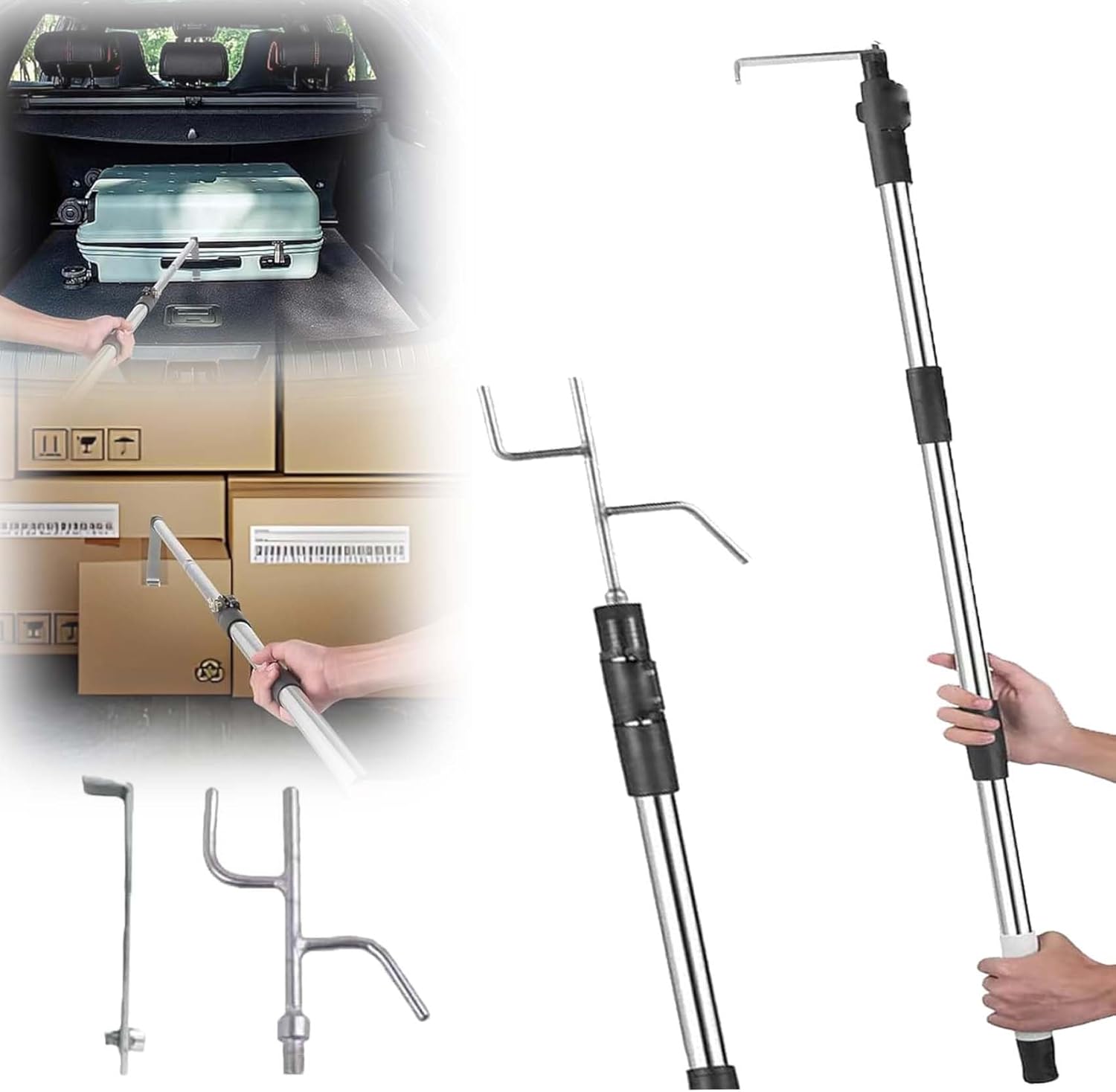
Bed Buddy Truck Tool – Telescoping Bed Retriever with Magnet Mount
Generic
Budget
Trailer sway control bracket kit for equalizer hitch (6,000–14,000 lbs) 3"-6" frames
JIANBENKJ
Mid-Range
Fastway Connect Weight Distribution Hitch
Fastway
Premium
CURT Round Bar Weight Dist Hitch w/ Lubrication & Sway Control
CURT
Premium
VEOVR Weight Distribution Hitch with Sway Control (1000 lbs) – 2-in Shank, 2-5/16 in Ball
VEVOR
Premium
Pro Round Bar Weight Distribution Hitch with Sway Control
Reese
Premium
Weigh Safe adjustable trailer hitch ball mount 6" drop
Weigh Safe
Premium
VEVOR Weight Distribution Hitch, 1,500 lbs
VEVOR
Premium
VEVOR weight distribution hitch, 1500-lb capacity, 2-5/16 ball
VEVOR
Premium
Reese Integrated Sway Control Weight Distribution Kit (11,500 lbs) with Shank
Reese
PremiumRoundups
- Best Towing Weight Distributing Hitches for Heavy-Duty Towing (2026)
- Best Towing Weight Distributing Hitches for Long-Distance Towing (2026)
- Best Towing Weight Distributing Hitches Under $200 (2026)
- Best Towing Weight Distributing Hitches Under $100 (2026)
- Best Towing Weight Distributing Hitches (2026 Guide)
Frequently Asked Questions
How do I choose the correct weight distributing hitch for my vehicle and trailer?
Match the hitch’s tongue weight and gross trailer weight (GTW) ratings to your trailer’s loaded weights, and ensure the hitch head fits your vehicle’s 2- or 2-1/2-inch receiver; consult your vehicle and trailer manuals and add any cargo or passenger weight to the trailer’s axle loads when calculating
What is the difference between a weight distributing hitch and a standard ball hitch?
A weight distributing hitch uses spring bars to transfer some trailer tongue weight to the tow vehicle’s front axle and trailer axle, reducing sag and improving steering and braking, whereas a standard ball hitch connects without redistributing weight and is better suited for lighter, balanced loads
Are there safety or installation checks I should perform after installing a weight distributing hitch?
Verify correct hitch head height and bar tension so trailer and tow vehicle are level, torque all fasteners to manufacturer specs, check for proper sway control engagement if applicable, and recheck fittings and torque after the first 50–100 miles of towing
How do I know if I need integrated sway control or a separate sway control device?
Integrated sway control is useful if your cargo or wind/road conditions frequently induce lateral movement; heavier, higher-profile trailers typically benefit from active sway control, while lighter or well-balanced trailers may only need passive or friction-based devices
What maintenance is required to keep a weight distributing hitch functioning safely?
Regularly inspect for worn or cracked components, lubricate pivot points and friction surfaces per the manufacturer, keep fasteners tight, and replace bent or rusted parts; perform a full inspection before each towing season or after any hard impact
How much should I expect to pay for a reliable weight distributing hitch?
Prices commonly range from budget options under $150 to higher-end units over $500, with many mid-range models around a few hundred dollars; factors affecting cost include rated capacity, integrated sway control, and brand
Can I use the same weight distributing hitch with different trailers?
Yes, if the hitch’s tongue weight and GTW ratings cover the different trailers’ loaded weights and the hitch fits your vehicle, but you must relevel and retension the spring bars for each trailer and ensure sway control settings are appropriate