Trailer Coupler Parts
Replacement and repair components for trailer couplers, including latch assemblies, coupler locks, mounting plates, and hardware for ball-type hitches. The 12 indexed products average a 4.71 rating and span mid-range prices (about $33–$66), with brands like CURT represented
Top Products

CURT straight tongue trailer coupler 3-in channel, 2-in hitch ball, 5,000 lbs
CURT
Budget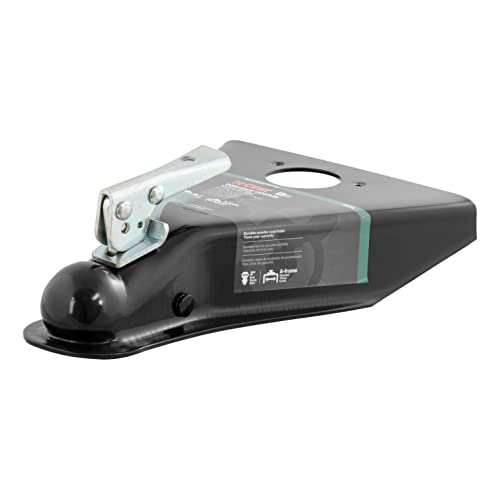
CURT 25210 A-Frame Trailer Coupler, 2-inch ball
CURT
Mid-Range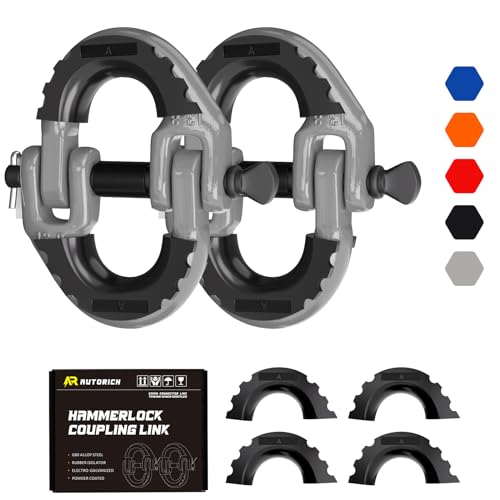
Safety Chain Connector Link 1/2 in (2 Pack) 12,000 lb
AUTORICH
Budget
VEVOR 2-Inch Trailer Coupler for 2-Inch Ball, 3500 lbs
VEVOR
Budget
2-5/16 A-frame trailer coupler with trigger latch
Stegewop
Budget
NBJINGYI 2-5/16" 14,000 lb A-Frame Trailer Coupler
NBJINGYI
Budget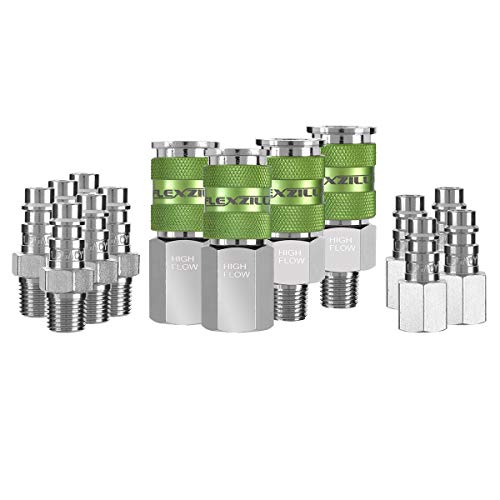
Flexzilla Pro High Flow Coupler & Plug Kit 1/4" NPT
Flexzilla
Budget
Channel-Mount Adjustable Trailer Coupler, 2-5/16-Inch Ball
CURT
Mid-Range
NBJINGYI 2" Class III A-Frame Coupler 7,000 lb
NBJINGYI
Mid-Range
2-5/16" A-frame trailer coupler with trigger latch
Stegewop
Mid-Range
A-Frame trailer coupler for 2-in hitch ball, 7000 lb capacity
VEVOR
Mid-Range
METOWARE 2" A-Frame Trailer Coupler for 2-Inch Ball, 7000LBS
METOWARE
Mid-RangeRoundups
Frequently Asked Questions
How do I choose the right trailer coupler part for my trailer?
Match the coupler type (ball mount, latch assembly, coupler body) and ball size to your trailer tongue and towing vehicle, confirm the coupler's rated towing capacity meets or exceeds your trailer's gross trailer weight, and check tongue style (A-frame, drop, swivel) and mounting bolt pattern or weld dimensions for fit
What are the common coupler sizes and load ratings I should know?
Common ball sizes are 1-7/8", 2", and 2-5/16"; coupler load ratings typically range from light-duty (e.g., 1,000–3,500 lb) to heavy-duty (e.g., 7,000+ lb). Always choose a coupler with a gross trailer weight (GTW) rating equal to or greater than your trailer's loaded weight
Can I replace just the latch or internal parts, or do I need to replace the whole coupler?
Many couplers have replaceable latch kits, pins, and springs, allowing repair without replacing the entire body when wear is localized; replace the whole coupler if the body is cracked, severely rusted, or out of alignment
What materials and finishes are best for durability and corrosion resistance?
Steel couplers are common and strong; look for galvanized or zinc-plated finishes and powder coatings for corrosion protection; stainless steel parts resist rust better but are costlier and typically used on marine or salt-exposed trailers
How do I maintain a trailer coupler to ensure safe operation?
Regularly inspect for cracks, excessive wear, and corrosion; lubricate the ball socket and moving latch parts with a suitable grease, tighten mounting hardware to specified torque, and replace worn or damaged components promptly
What mounting information do I need before buying a replacement coupler?
Measure tongue channel width and height, bolt hole spacing or weld-on dimensions, and note whether the coupler is bolt-on or weld-on; verify the coupler's orientation (straight or drop) to match your trailer's tongue configuration
Are there safety accessories I should consider with a new coupler?
Consider a compatible coupler lock or pin to prevent accidental uncoupling and theft, safety chains or chain anchors sized to your trailer's weight class, and ensure the hitch ball and receiver are rated for the same load as the coupler