Welding Cable
Welding cable for automotive and garage use, including flexible electrode leads, jumper cables, and heavy‑duty battery and ground leads for welders, chargers, and starters. Products span budget to premium options (798 items indexed; average rating 4.77) and include brands such as WindyNation
Top Products
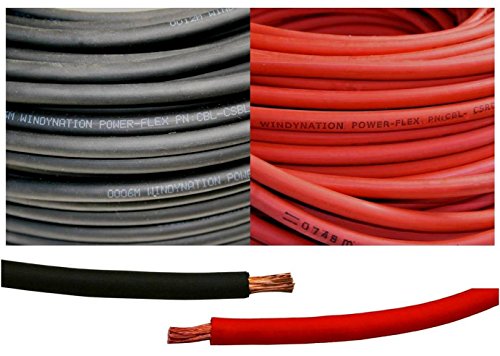
6 AWG Welding Cable, 10 ft Black + 10 ft Red, pure copper
WindyNation
Budget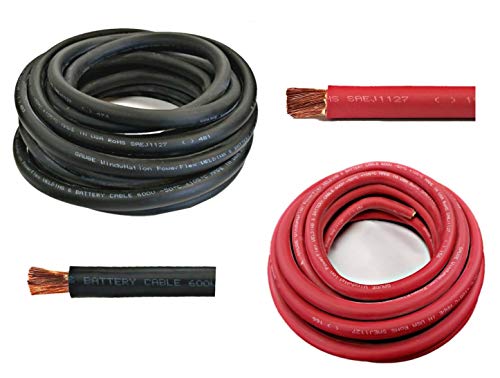
WNI 6 AWG Welding Cable, 10 ft (Black/Red) - Made in USA
WindyNation
Budget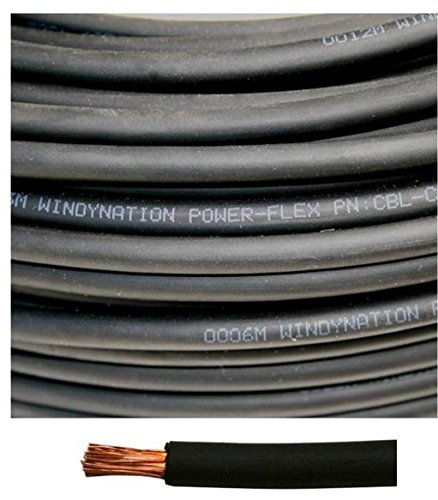
4 AWG Welding Cable - WindyNation Pure Copper, 20 ft
WindyNation
Mid-Range
WGI 6 AWG Red Welding Cable 30ft – USA-made, pure copper
WindyNation
Mid-Range
6 AWG Welding Cable 40ft Pure Copper Flex Wire
WindyNation
Mid-Range
WNI 6 Gauge Welding Cable 40ft Ultra Flexible Copper
WindyNation
Mid-Range
4 AWG Welding Cable 40 ft red black copper flexible wire
WindyNation
Mid-Range
WNI 6 Gauge Welding Cable, 75 ft, red, ultra-flexible copper
WindyNation
Mid-Range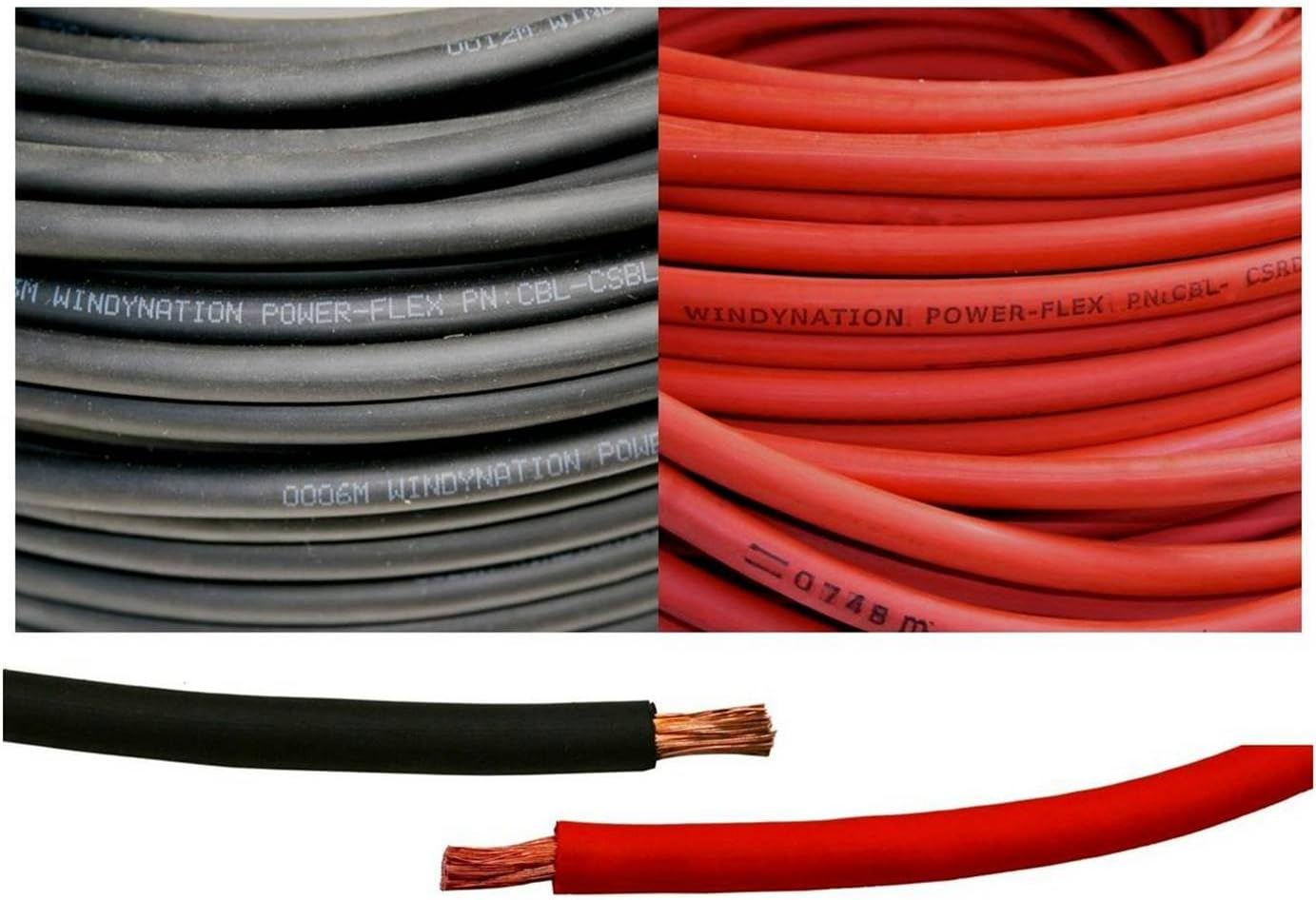
4 AWG WindyNation Power-Flex Cable, 10ft Black + 10ft Red, pure copper
WindyNation
Mid-Range
WNI 6 Gauge Welding Cable 40 ft USA Made
WindyNation
Mid-Range
WNI 1/0 AWG Welding Cable 5 ft Black
WindyNation
Budget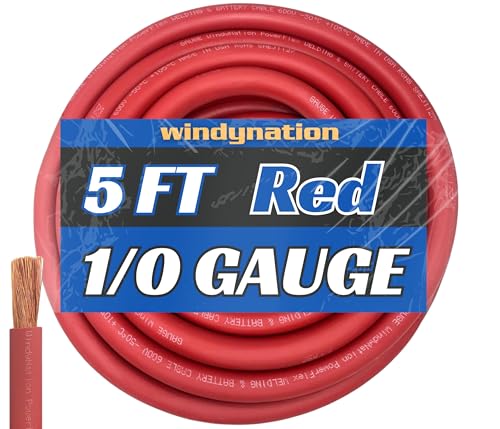
1/0 Gauge Red Welding Cable, 5 ft, Pure Copper
WindyNation
Budget
WNI 2 Gauge Welding Battery Copper Cable (5 ft) - USA Made
WindyNation
Budget
2 gauge welding cable 10 ft set, copper, EPDM insulation
WindyNation
Budget
2 AWG Welding Battery Cable, 10 ft, red, pure copper
WindyNation
Budget
6 AWG Welding Cable, 15ft Black + 15ft Red, Pure Copper
WindyNation
Mid-Range
WNI 2/0 Gauge Welding Cable, 5 ft, USA-made
WindyNation
Mid-Range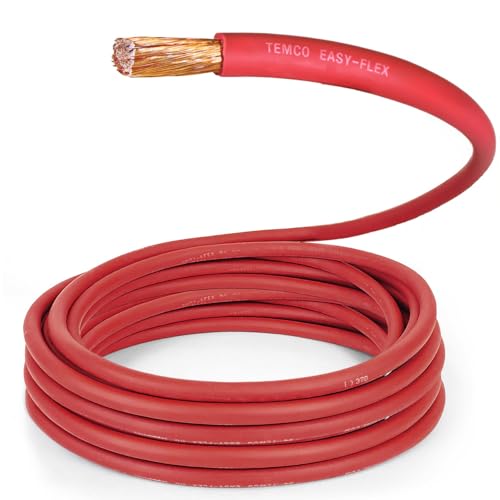
TEMCo 1/0 AWG Welding Cable Red, 5 ft, pure copper
TEMCo Industrial
Budget
WNI 2/0 Gauge Ultra Flexible Welding Cable 5 ft (USA MADE) 2/0 AWG Red
WindyNation
Mid-Range
4 AWG Welding Cable 20ft Red Copper Flexible Wire
WindyNation
Mid-Range
TEMCo 6 AWG Welding Cable 10 ft Black + 10 ft Red Pure Copper
TEMCo Industrial
Budget
TEMCo 6 AWG Welding Cable 20 ft Pure Copper
TEMCo Industrial
Budget
TEMCo 6 AWG Welding Cable, 20 ft, Red, Pure COPPER
TEMCo Industrial
Budget
TEMCo 4 AWG Welding Cable 15 ft Red Pure Copper
TEMCo Industrial
BudgetRoundups
Frequently Asked Questions
How do I choose the right welding cable size for automotive and garage work?
Select cable gauge based on the welding amperage and lead length: thicker cable (lower AWG number) is required for higher amps and longer runs to minimize voltage drop; common sizes for shop use are 2 AWG to 4/0 for heavy-duty welding and 4–6 AWG for light-duty or short leads
What insulation and flexibility characteristics matter for welding cable in a garage?
Look for flexible, oil- and abrasion-resistant insulation (usually EPDM or PVC blends) that withstands frequent handling and garage chemicals; highly flexible stranded copper conductors improve maneuverability and reduce work-hardened breakage
Are there safety ratings or temperature limits I should check?
Check that the cable carries appropriate ampacity ratings, temperature ratings (commonly -40°C to +90°C or similar for welding cable), and is sized to handle the welder's maximum output to prevent overheating; also confirm compatibility with factory or aftermarket clamps and connectors
How long should welding leads be and does length affect performance?
Keep leads as short as practical: longer leads increase voltage drop and reduce effective amperage at the electrode; if long runs are necessary, increase conductor size to compensate for the loss
What maintenance and storage practices extend welding cable life in a garage?
Regularly clean and inspect for cracks, nicks, or crushed sections, avoid sharp bends or kinking, keep cables off the floor and away from oil/heat sources when possible, and store coiled loosely to prevent conductor fatigue
How do I compare budget versus higher-priced welding cables?
Budget cables may use fewer strands or lower-grade insulation and can be less flexible and shorter-lived; higher-cost options typically offer more copper strands, better insulation compounds, and higher temperature/chemical resistance—choose based on usage frequency and required durability
Can I splice or repair damaged welding cable, and when should I replace it?
Minor outer insulation damage can be temporarily protected with high-voltage heat-shrink or rated tape, but exposed or crushed conductors should be professionally repaired or replaced; replace cable if internal strands are broken, resistance increases noticeably, or insulation no longer protects against moisture and abrasion