Welding Fuel Cylinders
Welding fuel cylinders for auto and garage use, including MAPP, propane and mixed-gas canisters for brazing, soldering, and light cutting. 13 products indexed with an average rating of 4.78 and prices ranging about $36–$310, from brands like BLUEFLAME MAPP GAS PRO
Top Products
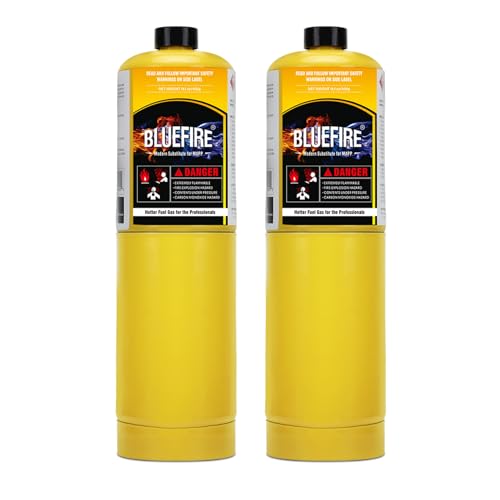
BLUEFIRE Modern MAPP Gas 14.1 oz Cylinders (2-pack)
AGC
Budget
BLUEFIRE MAPP gas cylinder 14.1 oz
AGC
Mid-Range
BLUEFIRE MAPP Gas Cylinder 14.1 oz 4 pack
KOMAN
Mid-Range
Bluefire 3-Pack Standard Propane Gas Cylinders for Welding & Soldering
Bluefire
Budget
BLUEFLAME MAPP ALTERNATE Propylene Gas Cylinder 2-Pack
BLUEFLAME MAPP GAS PRO
Budget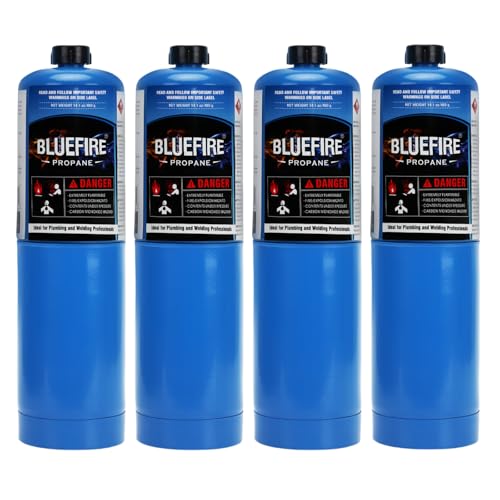
Pack of 4 propane gas cylinders for soldering, cooking, and camping
KOMAN
Mid-Range
Sondiko 16 oz Propane Cylinder, 4 Pack, DOT Compliant
BW66
Mid-Range
Kegco aluminum nitrogen tank, high pressure 2216 psi
Kegco
Mid-Range
BlueFlame MAPP Alternate Gas Cylinder 4-Pack
BLUEFLAME MAPP GAS PRO
Mid-Range
75/25 Argon CO2 welding gas cylinder 80CF
PRIMEWELD
Premium
BlueFlame MAPP Alternate Gas Cylinder 6-pack (Propylene) for Welding
BLUEFLAME MAPP GAS PRO
Mid-Range
BlueFlame MAPP Alternate Gas Cylinder 8-Pack (Propylene) 14.1 oz
BLUEFLAME MAPP GAS PRO
Mid-Range
BLUEFLAME MAPP ALTERNATE Gas Cylinder 12-Pack
BLUEFLAME MAPP GAS PRO
PremiumRoundups
Frequently Asked Questions
What types of welding fuel cylinders are commonly used for auto and garage work?
Common types include MAPP/propane blend cylinders, propane cylinders, and oxygen/acetylene cylinders; MAPP/propane blends and propane are popular for brazing, soldering, and light heating, while oxygen/acetylene is used for oxy-fuel cutting and more intense welding or heating tasks
How do I choose the right cylinder size and capacity for my garage projects?
Choose based on frequency and duration of use: small disposable cylinders (suitable for occasional light tasks), medium refillable tanks for regular hobby work, and larger refillable cylinders for heavy or continuous use; consider run-time, portability, and how often you can refill or replace the cylinder
What safety features and certifications should I look for when buying a fuel cylinder?
Look for DOT or relevant regional certification stamps, leak-tested valves, pressure-relief devices, and clear labeling of fuel type; also ensure the cylinder design matches recommended regulators, hoses, and torches for the intended fuel
How should I store and transport welding fuel cylinders in an auto shop or garage?
Store cylinders upright in a well-ventilated, cool, dry area away from ignition sources and direct sunlight; secure them during transport to prevent tipping or valve damage and keep protective caps on valves when not connected
What maintenance and inspection steps are necessary to keep a cylinder safe and functional?
Regularly inspect the cylinder body for rust, dents, or corrosion, check valves and connections for leaks with soapy water, replace damaged hoses or regulators, and follow local regulations for periodic recertification of refillable cylinders
Are disposable MAPP or propane cylinders economical compared to refillable tanks?
Disposable cylinders can be economical for infrequent, short tasks due to low upfront cost and no refill logistics, while refillable tanks typically have higher initial cost but lower long-term fuel cost and less waste for frequent or extended use
What accessories and fittings do I need to use a welding fuel cylinder safely?
You'll need a compatible regulator sized for the fuel and cylinder, pressure-rated hoses, securely fitting torch or cutting attachments, leak-tight fittings, and appropriate personal protective equipment such as gloves and eye protection