Wheel Weights
Wheel weights for balancing vehicle wheels, including clip-on and adhesive stick-on types for cars and light trucks. The category lists 37 products with an average rating of 4.53 and mid-range pricing (about $32–$100, avg ~(price varies)). Top brands include CKAuto among others
Top Products

CKAuto MC-Series Coated Wheel Weights 20Pcs/Box
CKAuto
Budget
P Style 3.00oz Wheel Weights with Lead Clip (20 pcs) CKAuto
CKAuto
Budget
CKAuto MC-Series coated wheel weights, 20 pcs box
CKAuto
Budget
CKAuto MC-Series coated wheel weight assortments (0.25–1.0 oz) 100 pcs
CKAuto
Budget
CKAuto Lead Wheel Weights Assortment, 100 Pcs (0.25-1.0 oz) – Uncoated
CKAuto
Budget
JiiinMiiin 1/4oz Wheel Weights with Adhesive (960pcs) 2 Boxes
JiiinMiiin
Budget
JiiinMiiin Upgraded Wheel Weights 1/4oz with Adhesive
JiiinMiiin
Budget
GearWrench Wheel Weight Tool 3358
GEARWRENCH
Mid-Range
Wheel weights with strong adhesive 0.25 oz, 5kg/11lb roll
YIZBAP
Budget
P Series Zinc Clip-On Wheel Weights Assortment, 100 pcs
CKAuto
Mid-Range
CKAuto Wheel Weights 300pcs grey adhesive roll
CKAuto
Mid-Range
CKAuto 1/4oz Trapezium Adhesive Wheel Weights, 72oz/Box (288pcs) Grey
CKAuto
Budget
CKAuto Wheel Weights Adhesive Roll, 0.5oz, Black, 300pcs
CKAuto
Mid-Range
StanceMagic adhesive wheel weights 192 oz 384 pcs
StanceMagic
Budget
CKAuto Wheel Weights 0.25oz Roll 715pcs grey
CKAuto
Mid-Range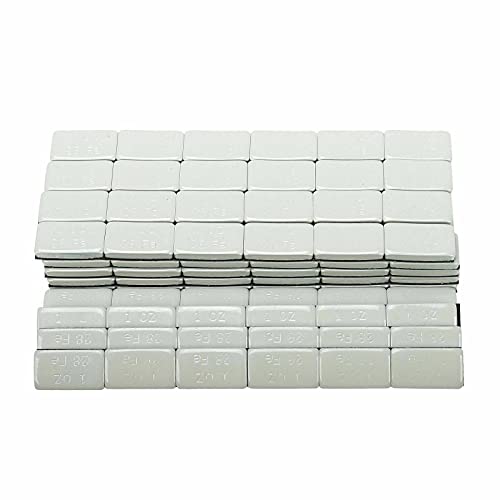
Tire balancing wheel weights, 1 oz, 144 pcs, lead-free
VOWAGH
Budget
CKAuto Zinc Coated Wheel Weights Assortment (0.25–1.0 oz), 100 pcs
CKAuto
Mid-Range
CKAuto MC Type Wheel Weights 100Pcs Zinc Clip-On Assortment
CKAuto
Mid-Range
CKAuto Wheel Weights 0.25oz, 715 pcs, OE Quality
CKAuto
Mid-Range
0.25 oz gray adhesive wheel weights set (715pcs, 11 lb) – 1/4 oz segments
EZISOE
Mid-Range
CKAuto Wheel Weights 4 Boxes 960 Pcs 0.25oz Adhesive Tape
CKAuto
Mid-Range
CKAuto Wheel Weights 504 pcs 1/2 oz 0.5 oz Grey Adhesive
CKAuto
Mid-Range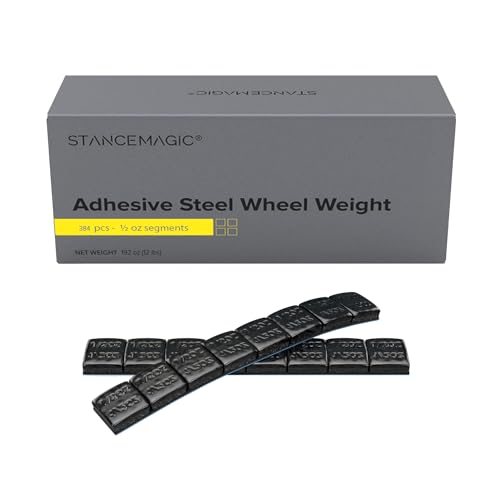
StanceMagic adhesive wheel weights 1/2oz - 12 lb box (384 pcs)
StanceMagic
Budget
CKAuto Wheel Weights, 960 pcs, 60oz/Box, 4 Boxes, 0.25oz each
CKAuto
Mid-RangeRoundups
Frequently Asked Questions
What types of wheel weights are available and how do I choose the right type?
There are stick-on (adhesive) weights for alloy wheels and clip-on weights for steel wheels and wheel rims with a lip; choose adhesive for smooth alloy surfaces and clip-on for rims designed with weight retention lips. Confirm your wheel material and whether the weight will attach to the inner barrel, outer edge, or rim lip before buying
How do I determine the amount of weight needed to balance a wheel?
Wheel balancing requires a tire changer/balancer to measure imbalance in ounces or grams per wheel; the machine indicates where and how much weight to add. If you’re replacing weights, match the total mass previously used for that wheel position or consult a professional for a dynamic balance
What are common materials and finishes, and which should I pick?
Wheel weights are typically made from lead, zinc, steel, or adhesive-backed metal; lead is common but less used due to environmental rules, while zinc and steel are lead-free options. Choose a finish (painted, chrome, or raw metal) that matches your wheel appearance and check for corrosion-resistant coatings if you live in wet or salty climates
Can I install wheel weights myself and what tools are required?
Clip-on weights can be installed with a weight hammer or pliers designed for clinching, and adhesive weights require a clean, dry surface and proper adhesive backing or primer; precise placement is needed for effective balance. For accurate balancing and safety, many buyers use professional tire shops with balancing machines
Are there environmental or legal considerations when buying wheel weights?
Some regions restrict or ban lead wheel weights, so opt for lead-free zinc or steel weights where required; recycling centers or tire shops can often dispose of or recycle removed lead weights. Check local regulations to ensure compliance
How should I care for and maintain wheel weights once installed?
Periodically inspect weights for corrosion, looseness, or loss—especially after hitting curbs or potholes—and replace any damaged or missing weights to maintain balance. Adhesive weights lose effectiveness with age or if the wheel surface becomes contaminated, so clean surfaces before reinstallation
What budget should I expect for wheel weights and related tools or services?
Individual weights and small packs are generally low-cost, making DIY replacements inexpensive, while full professional balancing services and shop-installed kits can add labor costs; expect a range from inexpensive packs for multiple wheels to higher spending for professional service. Factor in the cost of a balancer or installation tools if you plan repeated DIY work