Baby Colic & Gas Relief
This category covers baby colic and gas relief products such as probiotics, gripe water, gas drops, and soothing supplements designed to ease infant digestive discomfort. About 13 indexed items span mid-range price points (roughly $33–$77, avg ~(price varies)) and include brands like BioGaia among the top sellers
Top Products

BioGaia Baby Probiotic Drops with Vitamin D for newborns
BioGaia
Mid-Range
BioGaia Protectis Baby Probiotic Drops for Colic & Gas
BioGaia
Budget
Mommy's Bliss Baby Probiotic Drops for Digestive Support
Mommy's Bliss
Mid-Range
LOVEBUG Baby Probiotic Drops - Organic Probiotics for Infants 0-12m
LOVEBUG
Budget
Gripe Water for Babies with Chamomile, 4 fl oz (pack of 6)
Little Remedies
Mid-Range
Biostime Probiotic & Prebiotic with Vitamin D for kids and babies
Biostime
Budget
Colief Infant Digestive Aid - Lactase Drops for Babies (3 x 1.5 fl oz)
Colief
Budget
CalmCo Probiotic Vitamin D Drops for Infants & Children
CalmCo
Mid-Range
Burplee Nursing Support for Baby - Tummy Time & Gas Relief
Vonu
Mid-Range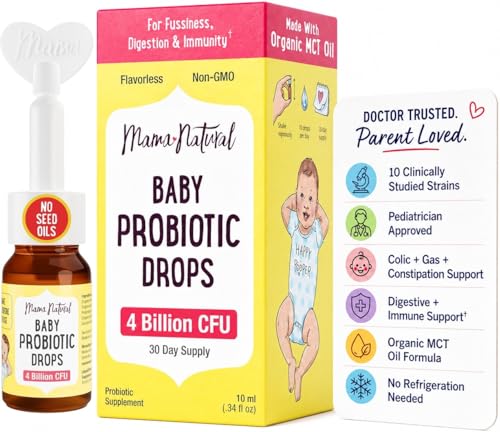
Mama Natural Baby Probiotic Drops (0.28 fl oz) with 4B CFU
Mama Natural
Mid-Range
Vonu 4-in-1 Baby Support Cushion for tummy time & burping
Vonu
Mid-Range
Visbiome Infant Drops Probiotic for Colic & Digestive Support
Visbiome
Mid-Range
Tummy time prop for baby gas relief & burp support
EKEPE
Mid-RangeRoundups
Frequently Asked Questions
How do I choose the right type of colic or gas relief product for my baby?
Choose based on cause and age: probiotics for suspected digestive imbalance, simethicone drops or gas-relief syringes for trapped gas, gripe water for mild discomfort, and abdominal massagers or bottle accessories for feeding-related gas; always check age recommendations and consult a pediatrician for infants under two months or if symptoms are severe
Are probiotics or simethicone better for treating infant colic?
They serve different purposes: probiotics aim to support gut microbial balance and may reduce crying in some infants, while simethicone is an anti-foaming agent that helps break up gas bubbles for immediate relief; discuss with your pediatrician to decide which is appropriate for your baby's symptoms and age
What safety and ingredient considerations should I look for on labels?
Look for age-specific dosing, clearly listed active ingredients, absence of alcohol or sucrose if avoiding sugar, allergen information, third-party testing or GMP statements, and avoid products with unspecified herbal blends or added dyes; consult a pediatrician before giving anything new to infants
How much should I expect to pay and are there budget-friendly options?
Products in this category typically range from affordable single bottles or tools under $20 to specialized formulas or kits around $50 or more, with the average price in mid-range; consider starter sizes or multi-use tools if you want to try an option without committing to a larger purchase
How do I use and store these products safely?
Follow manufacturer dosing instructions precisely, use provided droppers or syringes for accuracy, discard unused portions per label, store in a cool dry place (or refrigerate only if directed), and never exceed recommended doses or combine similar active treatments unless advised by a pediatrician
When should I stop trying over-the-counter remedies and see a doctor?
Seek medical advice if symptoms persist despite appropriate use, if the baby has fever, poor feeding, vomiting, blood in stool, weight loss, difficulty breathing, or if colic-like behavior is sudden and severe; infants younger than two months should be evaluated promptly for any concerning symptoms
Do feeding techniques or bottle accessories help reduce colic and gas?
Yes: paced bottle feeding, anti-colic bottles, proper burping during and after feeds, and adjusting nipple flow can reduce swallowed air and feed-related gas; try one change at a time to identify what helps your baby