Baby Pacifiers
This category covers baby pacifiers and soothers in silicone and orthodontic designs for newborns through toddlers, with mid-range pricing (about $32–$40, avg $35). 12 products indexed, average rating 4.73; top brands include FRIGG and Tommee Tippee among others
Top Products

MAM Welcome Home Feeding Set for 0-3 Months
MAM
Budget
Tommee Tippee Ultra-Light Pacifier 0-6m 4 Pack
Tommee Tippee
Budget
Tommee Tippee Breast-Like Pacifier 0-6M (Pack of 4)
Tommee Tippee
Mid-Range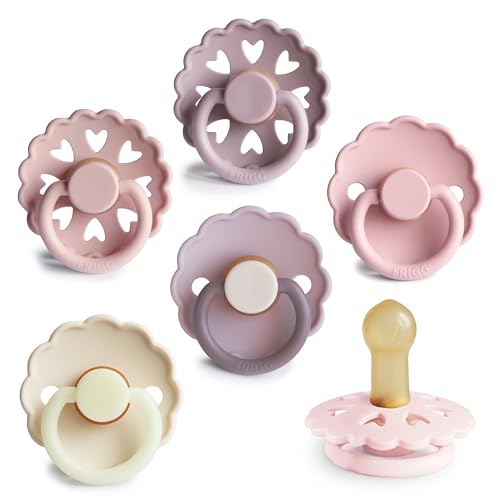
FRIGG natural rubber baby pacifier 6-pack
FRIGG
Budget
FRIGG Natural Rubber Baby Pacifier 6-Pack Cinnamon Charm
FRIGG
Budget
FRIGG SilkySoft Silicone Baby Pacifier 6-Pack
FRIGG
Budget
FRIGG SilkySoft Silicone Baby Pacifier 6-Pack
FRIGG
Budget
FRIGG SilkySoft Silicone Baby Pacifier 6-Pack Cinnamon Charm
FRIGG
Budget
FRIGG Natural Rubber Baby Pacifier 6-Pack (6-18 Months)
FRIGG
Budget
FRIGG SilkySoft Silicone Baby Pacifier 6-Pack Endless Sea
FRIGG
Budget
FRIGG SilkySoft Silicone Baby Pacifier 6-Pack Blooming Love
FRIGG
Budget
Lunaura Baby Keepsake: Set of 12 Pacifier Favors (Blue)
Lunaura
Mid-RangeRoundups
Frequently Asked Questions
How do I choose the right pacifier size and nipple shape for my baby?
Choose by age recommendations on the packaging (typically 0–6 months, 6–18 months, etc.) and select a nipple shape that matches your baby's feeding pattern—orthodontic/flat for natural tongue placement or round/symmetrical for easier latch. Check for airflow or vent holes in the shield to reduce skin irritation
What materials should I look for in a pacifier and are there safety certifications to check?
Common materials are silicone (durable, odorless) and natural rubber latex (softer, may cause allergies); look for BPA-free labeling and compliance with relevant safety standards (such as ASTM or EN 1400) printed on packaging or product descriptions
How long do pacifiers typically last and when should I replace them?
Replace pacifiers at the first sign of wear—tears, cracks, sticky or discolored nipple—or every 4–6 weeks for infants who chew frequently; replace immediately if dropped in a way that could damage the nipple or if it no longer springs back
How do I clean and sterilize pacifiers safely?
Wash daily with warm soapy water and rinse well; sterilize new pacifiers before first use by boiling for the recommended time or using a steam sterilizer if the manufacturer allows, and avoid sterilizing too frequently for older pacifiers unless required for illness
Are pacifiers likely to affect breastfeeding, and how can I minimize any impact?
Introducing a pacifier before breastfeeding is well-established can sometimes cause nipple confusion for some infants; wait until breastfeeding is well-established (commonly 3–4 weeks) and choose a pacifier with an orthodontic or breastfeeding-friendly shape to reduce risk
What features should I consider if I want a pacifier that’s easy to use on the go?
Look for features like a travel case or cap to keep the nipple clean, lightweight designs that attach to clips or straps, and single-piece construction to reduce crevices where dirt can collect
How does price vary across pacifiers and what does higher cost usually indicate?
Pacifier prices vary widely; budget options are available under $20 while mid- to premium-priced sets cost more; higher cost typically reflects additional features such as silicone quality, branded designs, included accessories (cases or clips), or specialty materials like natural rubber