Baby Teether Toys
This category covers baby teether toys—silicone, plush, and textured teethers designed to soothe infants during teething. Ten products are indexed with an average rating of 4.53 and mid-range pricing (about $33–$90); brands include The Teething Egg and Barefoot Dreams
Top Products

Barefoot Buddie Pink Bunny with CozyChic Knit Blanket
Barefoot Dreams
Mid-Range
Baby cloth crinkle books for babies 0-18m by bebe mondo
bebe mondo
Budget
Mary Meyer Bestever Baby Mat Afrique Elephant 23x31in
Mary Meyer
Mid-Range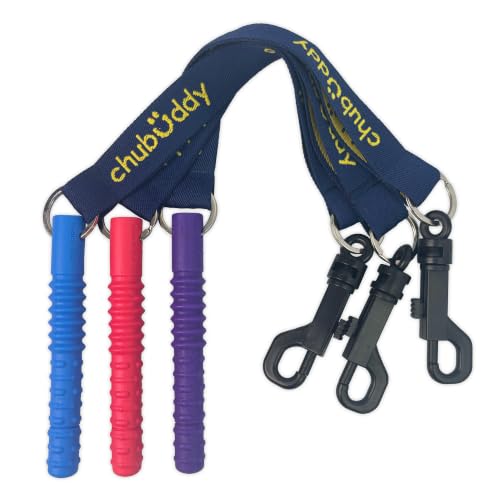
Chubuddy Tube Zilla 3 Pack Sensory Chews
Chubuddy LLC
Budget
The Teething Egg Teether with Grippie Stick
The Teething Egg
Budget
Teething rings for babies 6-18 months - silicone teether toys
Adoripie
Budget
The Teething Egg Bundle - Baby Teether Toys (USA Made)
The Teething Egg
Budget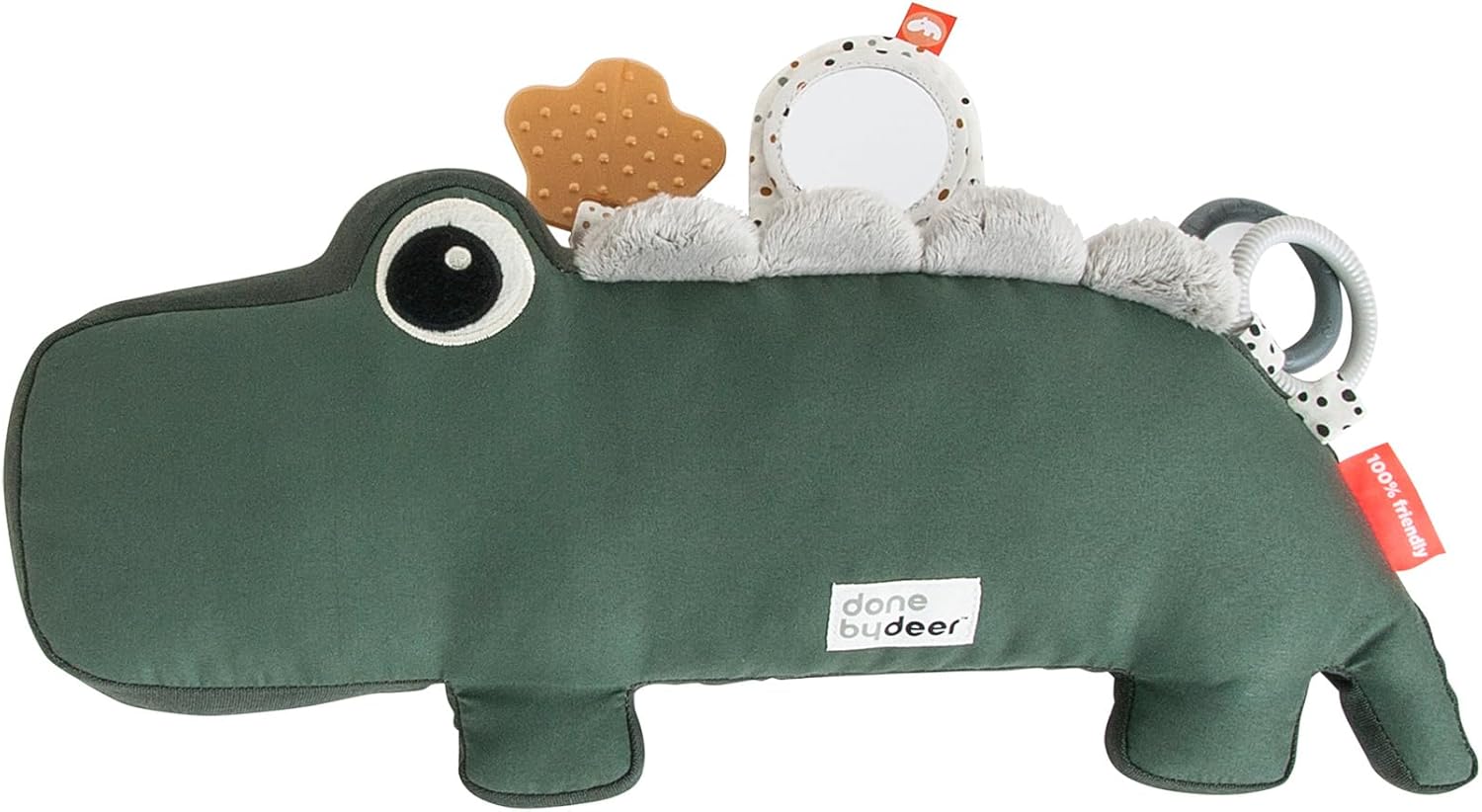
Done by Deer tummy time pillow (3-6m) with sensory toys
Done by Deer
Mid-Range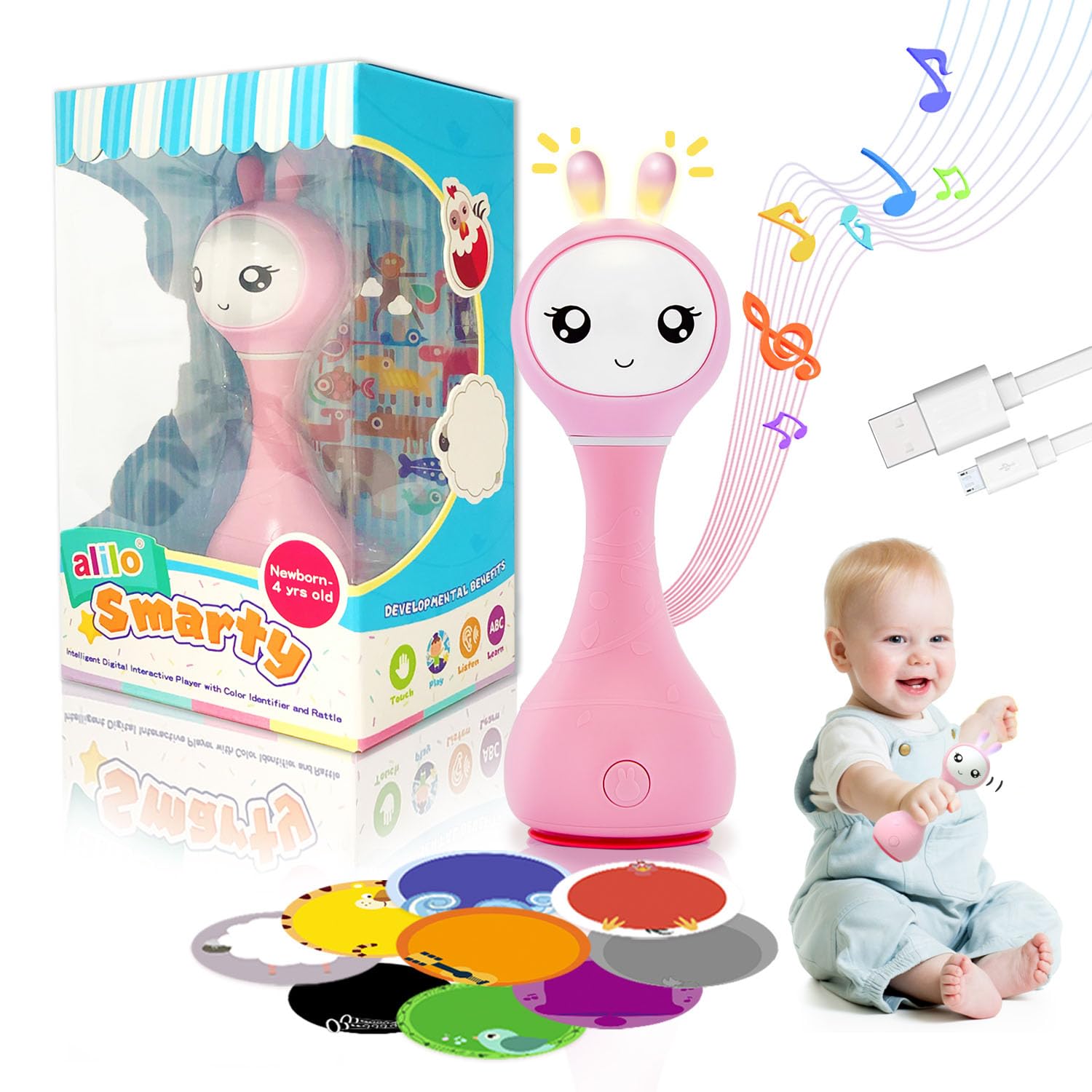
Smarty Baby Audio Player with Chewable Ears and Lights
alilo
Mid-Range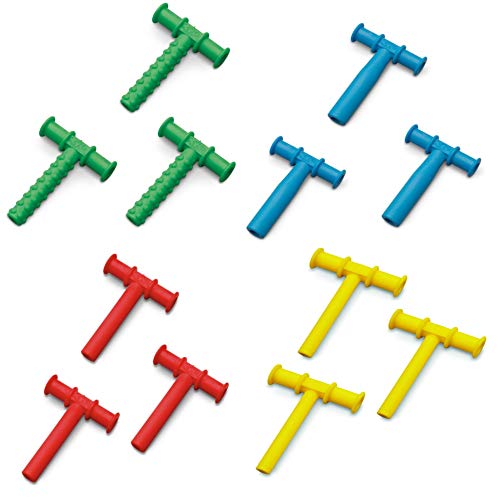
Chewy Tubes 12 Pack: knobby green, large blue, medium red, small yellow
Chewy Tubes
PremiumRoundups
Frequently Asked Questions
How do I choose the right teether for my baby's age and development?
Choose teethers labeled for your baby’s age or stage; softer, small‑handled teethers suit 0–6 months, while textured or firmer teethers and those designed for molars suit 6+ months. Consider size for safe mouthing, easy grip for little hands, and multi‑surface textures to target different gums
What materials and safety features should I look for in a teether?
Look for BPA‑free, phthalate‑free, non‑toxic materials such as food‑grade silicone, natural rubber, or soft plastic; avoid small detachable parts and rough seams. Check for one‑piece construction or secure joints, NSF/ASTM or equivalent toy safety compliance, and rounded edges to reduce choking and injury risk
How do I clean and sanitize a baby teether?
Most silicone and rubber teethers can be washed with warm soapy water and rinsed thoroughly; many are dishwasher‑safe on the top rack. For deeper sanitizing, boil heat‑safe teethers for a few minutes or use steam sterilizers if the manufacturer permits; always follow the product’s cleaning instructions and inspect for damage before reuse
Are teethers that can be chilled or frozen safe and effective?
Chilled teethers can provide soothing cold relief, but only chill (not freeze) products unless the manufacturer states they are freezer‑safe; freezing can make them too hard and risk gum or tooth injury. Place chilled teethers in the refrigerator and avoid prolonged direct contact to prevent numbness or frost‑bite‑like effects
How long do teethers typically last and when should I replace them?
Teether lifespan varies with material and use, but replace them immediately if you see cracks, splits, sticky residue, or loose parts; many parents replace frequently (every few months) for hygiene and safety. Follow manufacturer recommendations for retirement and discard any teether that shows signs of wear or damage
Do multi‑function teethers (with rattles or teethers that attach to toys) offer advantages?
Multi‑function teethers can engage babies longer by combining sensory input (texture, sound, movement) and may encourage motor skills; ensure attachments are secure and do not create choking hazards. Choose designs with strong fastenings and check that additional features are age‑appropriate and easily cleaned
How much should I expect to spend and are higher prices worth it?
Teethers range from budget options under $20 to premium designs over $50; average consumer prices cluster in the midrange depending on material and features. Higher price can reflect durable materials, validated safety testing, or brand reputation, but safe, effective relief is available across price points so prioritize safety, materials, and cleaning ease over price alone