Board Games
Board Games for babies and kids includes age-appropriate family and learning-focused tabletop games, from simple matching and cooperative titles to introductory strategy and party games. The category spans budget to mid-range prices (average about (price varies)) and features brands like Hasbro and Asmodee
Top Products

Get The Games Out Backgammon Set, Medium 15" Case, Blue
Get The Games Out
Budget
Get The Games Out Backgammon Set (Medium, Red) 15 inch case
Get The Games Out
Budget
Top Backgammon Set with Strategy Guide (Travel Size)
Get The Games Out
Budget
CATAN Board Game (6th Edition) Trade, Build & Settle
Asmodee
Mid-Range
Get The Games Out Travel Backgammon Set
Get The Games Out
Mid-Range
Get The Games Out Backgammon Set (Medium) 15 Inch Case
Get The Games Out
Mid-Range
Ticket to Ride Board Game (2025 Refresh)
Asmodee
Mid-Range
Chess Armory 15 Inch Wooden Chess Set with Storage
Chess Armory
Mid-Range
Star Wars Legion Rebel Veterans Unit Expansion
Asmodee
Budget
Get The Games Out Backgammon Set - Medium 15 Inch Case
Get The Games Out
Mid-Range
CATAN Junior Board Game – Swashbuckling Adventure for Kids
Asmodee
Mid-Range
Get The Games Out Backgammon Set - Size Small, Medium, Large (Medium)
Get The Games Out
Mid-Range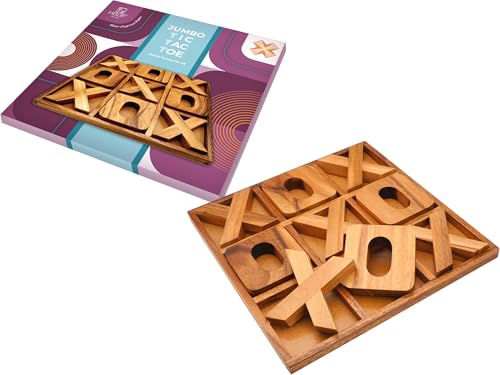
BSIRI Jumbo Tic Tac Toe Board Game
BSIRI
Mid-Range
Get The Games Out Backgammon Set (Blue) - Large Size
Get The Games Out
Mid-Range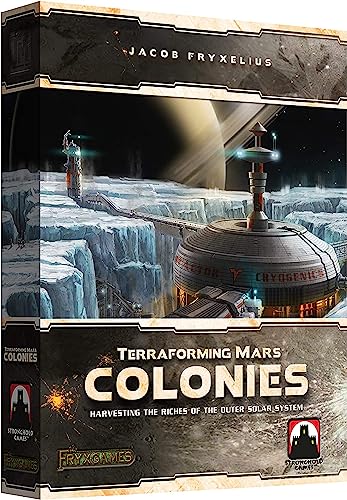
Terraforming Mars: The Colonies – Strategy Board Game
Stronghold Games
Budget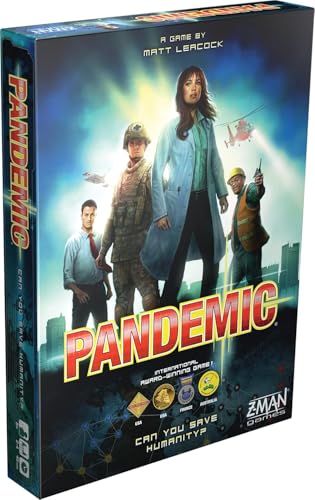
Pandemic Board Game (Base Game) - Cooperative Strategy
Asmodee
Mid-Range
Backgammon Set with Strategy Guide, 2 Players, Large Black
Get The Games Out
Mid-Range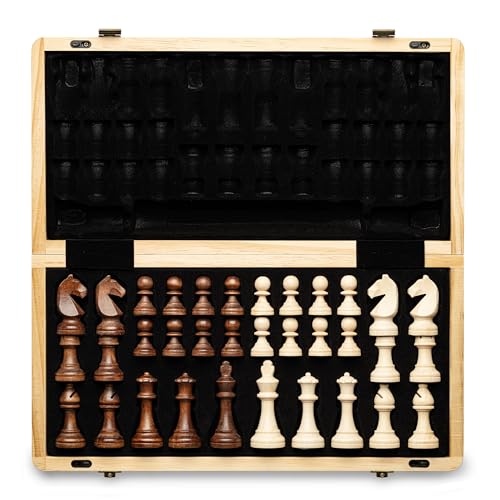
Foldable wooden magnetic chess set with 3" king height
Alex.H & Abel.C
Budget
Terraforming Mars: Turmoil expansion (Stronghold Games)
Stronghold Games
Mid-Range
King of Tokyo: New Edition (2-6 players, 30 min) space penguin included
Flat River Group
Mid-Range
Magnetic Wooden Chess Set with Folding Board (12"x12")
cymy
Budget
Marvel United: X-Men Strategy Board Game with Collectible Figurines
Spin Master
Mid-Range
Ticket to Ride First Journey board game – family train adventure
Asmodee
Mid-Range
Outsmarted! The Live Quiz Show - Multipack Gift Card Board Game
OUTSMARTED!
BudgetRoundups
Frequently Asked Questions
What age range are board games in the Baby & Kids category typically designed for?
These games generally target toddlers through elementary-aged children, commonly listing recommended ages from about 2–3 years up to 8–10 years; check the product's age recommendation to match developmental skills like counting, matching, or turn-taking
How do I choose a game based on learning goals (e.g., numbers, colors, social skills)?
Look at the game description and components—games emphasizing numbers and counting include dice or numbered pieces, color/shape recognition games use matching tiles or boards, and social-skill games focus on turn-taking mechanics, simple rules, and cooperative play; choose according to the specific skill you want to practice
What should I expect to pay for quality Baby & Kids board games?
Prices vary by complexity and brand; many entry-level and simple preschool games are available under $30, with more elaborate or licensed titles and educational sets often ranging $30–$80; the category average price is around $55–$60
How important are player count and playtime for kids' engagement?
Very important—short playtimes (10–20 minutes) suit young attention spans, while player counts of 2–4 are common for family and small-group play; verify both the minimum and maximum players and estimated playtime to ensure it fits your child's attention and your typical group size
Are there safety and durability features I should look for in kids' board games?
Check for non-toxic materials, large pieces that meet choking-hazard guidelines for the target age, sturdy cardboard or plastic components, and washable elements if applicable; product listings usually note safety certifications and recommended minimum ages
Do cooperative games work well for young children compared to competitive ones?
Cooperative games are often better for younger children because they reduce frustration and emphasize teamwork, while simple competitive games can teach fair play and rule-following; choose cooperative designs if your priority is social-emotional learning
How do I care for and store kids' board games to keep them usable?
Store components in the original box or labeled containers, keep pieces in resealable bags to avoid loss, wipe plastic pieces with a damp cloth and mild soap, and avoid prolonged exposure to moisture or direct sunlight to maintain colors and structural integrity