Breastfeeding Supplies
Breastfeeding Supplies in Baby & Kids includes pumps, nursing bras, milk storage, and feeding accessories, with about 21 indexed products averaging a 4.50 rating. Prices span roughly $33–$113 (avg ~(price varies)), covering budget to mid-range options; notable brands include Momcozy
Top Products
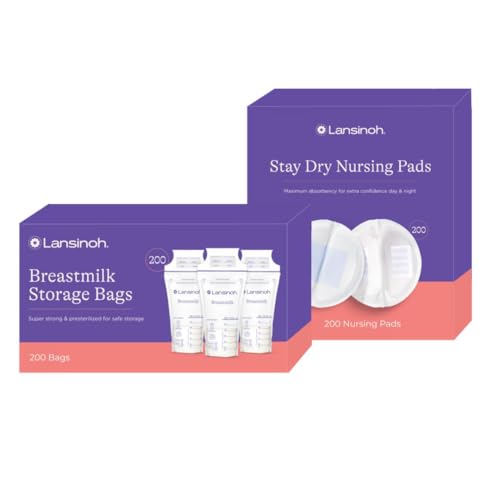
Lansinoh Breastmilk Storage Bags + Disposable Nursing Pads
Lansinoh
Mid-Range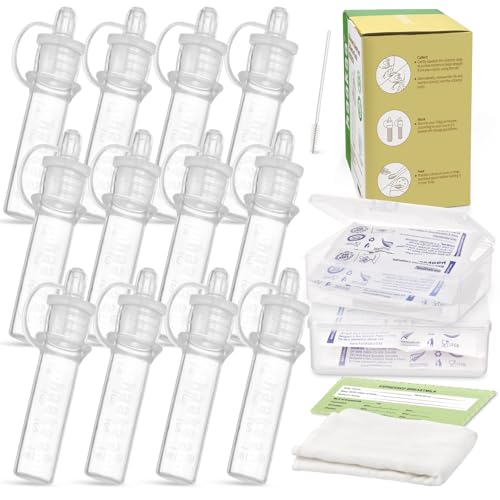
Haakaa Colostrum Collector Kit with Storage Cases
haakaa
Mid-Range
Motif Luna Double Pump Replacement Parts Kit
Motif Medical
Budget
Motif Luna Breast Pump Replacement Parts Kit (19mm)
Motif Medical
Budget
Momcozy 2-in-1 lactation massager, heat + vibration
Momcozy
Budget
Momcozy 2-in-1 lactation massager (soft silicone, heat + vibration) Lilac
Momcozy
Budget
5 Piece Diaper Bag Organizer Pouch Set
LLama Bella
Budget
Willow 360 Flanges 21mm Breast Shield for 360/3.0, leak-proof wearable pumping
Willow
Mid-Range
Breast Pump Backpack with Cooler and USB Port (Blue)
MOMIGO
Budget
Breast pump backpack cooler bag with USB port, large capacity
MOMIGO
Budget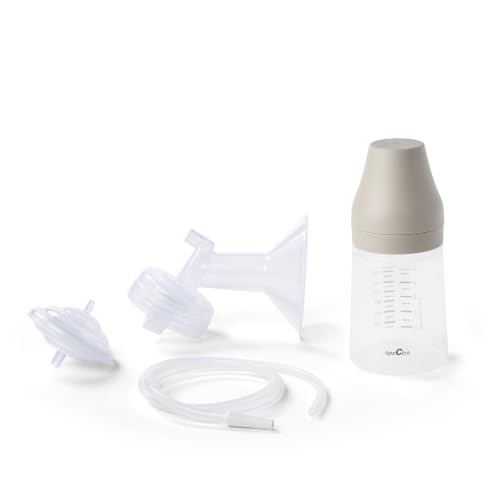
Spectra Breast Pump Accessory Kit with Baby Bottles (Large 28mm)
SPECTRA
Budget
Momcozy lactation massager with heat and vibration
Momcozy
Mid-Range
Momcozy M5 compatible milk collector cup with 24mm flange
Momcozy
Mid-Range
LaVie 2-in-1 warming lactation massager (2 pack)
LaVie
Mid-Range
Breast pump bag with cooler tote for pumping gear
IDAHO JONES
Mid-Range
Ameda HygieniKit Universal Milk Collection System
Ameda
Mid-Range
Cimilre 21MM Double Pump Collection Kit
Cimilre
Mid-Range
24mm Breast Milk Collection Kit for Double Pumping
Cimilre
Mid-Range
LaVie Lactation Massager with Heating and Vibration
LaVie
Mid-Range
Zomee Hands-Free Collection Cups - 8oz
Zomee
Mid-Range
epump 1000ml with Flush Feeding Bag 30 Count
ZYOUO
PremiumRoundups
Frequently Asked Questions
How do I choose between a manual and an electric breast pump?
Choose a manual pump for occasional use, portability, and lower cost; choose an electric pump for frequent or exclusive pumping, adjustable suction settings, and faster milk expression. Consider motor type (single vs double), noise level, and available attachments when comparing electric models
What features should I look for in breastfeeding accessories like bottles, flanges, and storage bags?
Look for BPA-free materials, sizes that match your baby's feeding stage, soft silicone flanges with multiple size options for comfort, and leakproof, clearly labeled storage bags or containers designed for freezing and safe thawing. Ease of cleaning and dishwasher compatibility are also important
How much should I expect to spend on breastfeeding supplies?
Prices vary by item: basic manual pumps and small accessory kits are commonly available in budget ranges under $50, while hospital-grade or double electric pumps and complete kits can range higher; average prices in this category tend to be moderate, with many shoppers spending around the mid-range for quality and features
What are key maintenance and cleaning tips for breast pumps and parts?
Disassemble and wash all detachable bottle parts and flanges after each use using warm soapy water or a dishwasher if labeled dishwasher-safe; air-dry on a clean surface. Follow the manufacturer's instructions for cleaning tubing and motors, and sterilize parts regularly if your infant is premature or has health concerns
How important is flange fit and how do I tell if the flange size is right?
Proper flange fit prevents pain and improves milk removal; the nipple should move freely in the tunnel without excessive rubbing and the areola should not be sucked into the tunnel. If you feel pinching, see decreased milk output, or notice bruising, try a different flange size or consult a lactation specialist
Can I use different brands' bottles and attachments with my pump?
Some pumps accept third-party bottles and connectors, but compatibility varies; check thread sizes and connector types and use adapters when available and recommended by manufacturers. Using non-compatible parts can affect suction, cause leaks, or void warranties
What safety and storage guidelines should I follow for expressed breast milk?
Label milk with date and store in clean, sealed containers or storage bags; refrigerate fresh milk and use within 4 days, or freeze for longer storage following safe-thawing practices. Always defrost in the refrigerator or under warm running water and avoid refreezing previously thawed milk