Diaper Creams
Diaper creams for infants and toddlers, including ointments, zinc oxide pastes, and soothing barrier balms to prevent and treat diaper rash. The category spans budget to mid‑range options (avg $50) and features brands such as Earth Mama and Desitin among 25 indexed products with an average rating of 4.69
Top Products

Triple Paste Diaper Rash Cream & Spatula Bundle
Triple Paste
Budget
Earth Mama Organic Diaper Balm 2-Oz | Diaper Cream for Sensitive Skin
Earth Mama
Mid-Range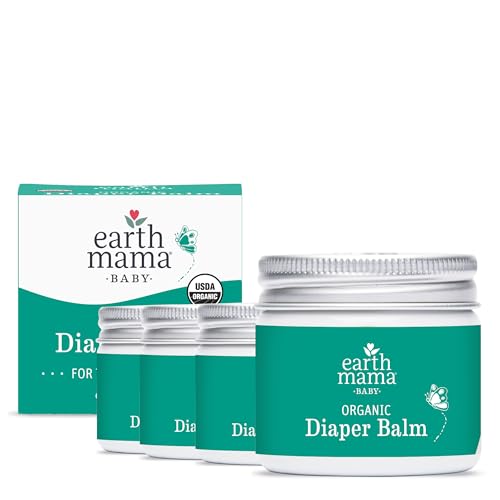
Earth Mama Organic Diaper Balm 2-Ounce – Diaper Cream for Baby
Earth Mama
Mid-Range
Weleda Baby Calendula Diaper Cream, 2.8 fl oz (Pack of 3)
Weleda
Budget
Bepanthen Diaper Rash Care Ointment
Bepanthen
Budget
Boudreaux's Butt Paste Maximum Strength Diaper Rash Cream
Boudreaux's Butt Paste
Budget
Desitin Maximum Strength Diaper Rash Paste, 3 Pack (4 Oz each)
Desitin
Budget
Welmedix Rapid Relief Diaper Rash Cream with Zinc Oxide (4oz) – Pack of 3
Welmedix
Budget
Creation Farm Calendula Comfrey Salve 8oz Balm
Creation Pharm
Mid-Range
Balmex Complete Protection Diaper Rash Cream with Zinc Oxide
Balmex
Mid-Range
Earth Mama Organic Diaper Balm 2-Ounce – Diaper Cream for Baby
Earth Mama
Mid-Range
Earth Mama Diaper Balm Organic, fragrance-free with calendula
Earth Mama
Premium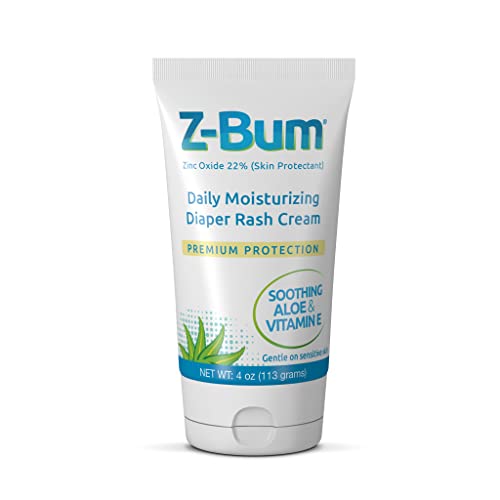
Daily Moisturizing Diaper Rash Cream with Aloe & Vitamin E
Z-Bum
Mid-Range
Desitin Maximum Strength Diaper Rash Cream 40% zinc oxide (16 oz per pack)
Desitin
Mid-Range
Sebamed Baby Cream Extra Soft 2 Pack
SEBAMED
Mid-Range
Balmex Diaper Rash Cream - 4 oz (pack of 6)
Balmex
Mid-Range
CareAll Zinc Oxide 20% Diaper Rash Ointment 2 oz (24 Pack)
CareAll
Mid-Range
Desitin Maximum Strength Diaper Rash Paste 4 oz (Pack of 6)
Desitin
Mid-Range
Triple Paste Mom & Baby Early Essentials Gift Set
Triple Paste
Budget
Sweet Cheeks Diaper Paste with 14% Zinc Oxide
TUBBY TODD
Mid-Range
Desitinn Maximum Strength Baby Diaper Rash Cream (40% zinc oxide) 4.8 oz
Generic
Mid-Range
Zinc Oxide Ointment for Skin Protection
TenderGentle
Premium
Seedlings Diaper Rash Cream – Gentle, 2 oz
Young Living
Budget
Sweet Cheeks Diaper Paste & Spatula - 14% zinc oxide diaper rash cream
TUBBY TODD
Mid-RangeRoundups
Frequently Asked Questions
How do I choose the right diaper cream for my baby?
Choose based on skin sensitivity, severity of rash, and consistency you prefer; for frequent mild irritation, a lightweight zinc-oxide-free or aloe-based cream may suffice, while for persistent or severe diaper rash look for barrier creams with higher zinc oxide content or medicated formulations labeled for severe chafing
Are there ingredients I should avoid or look for in diaper creams?
Look for soothing ingredients like zinc oxide, petrolatum, dimethicone, calendula, or shea butter; avoid fragrances, parabens, and alcohol if your baby has very sensitive skin or a history of eczema
How much should I expect to spend on diaper cream and are pricier options worth it?
Prices vary widely but many effective diaper creams fall into budget to midrange categories; higher-priced options often use organic or specialty ingredients but cost doesn't always predict effectiveness—choose based on ingredients and your baby's response
How do I apply diaper cream for best results?
Clean and fully dry the area, apply a thin layer of cream to the affected skin (or a thicker barrier layer for severe rashes), and reapply at each diaper change or as directed until the rash improves
Can diaper cream prevent diaper rash or only treat it?
Barrier diaper creams with zinc oxide or petrolatum can help prevent rash by protecting skin from moisture and irritants; consistent diaper changes, gentle cleansing, and allowing diaper-free time also reduce risk
When should I stop using an over-the-counter diaper cream and see a doctor?
See a pediatrician if the rash worsens or does not start improving after 3–5 days of appropriate over-the-counter treatment, if you see blisters, pus, fever, or signs of infection, or if the baby seems in significant pain
Are natural or organic diaper creams safer for newborns?
Natural or organic creams can be gentler due to fewer synthetic additives, but 'natural' isn't automatically hypoallergenic—check ingredient lists for known irritants and patch-test a small area first, especially on newborn or eczema-prone skin