Disposable Diapers
Disposable diapers for infants and toddlers, including newborn to potty-training sizes and features like overnight, hypoallergenic, and eco-friendly options. This category spans budget through mid‑to‑premium price points (avg $60) and includes well-known brands such as HUGGIES
Top Products

Huggies Little Snugglers Size 2 Diapers (12-18 lbs), 84 ct
HUGGIES
Budget
Pampers Diapers
Pampers
Mid-Range
Huggies Size 4 Little Snugglers Diapers
Huggies
Mid-Range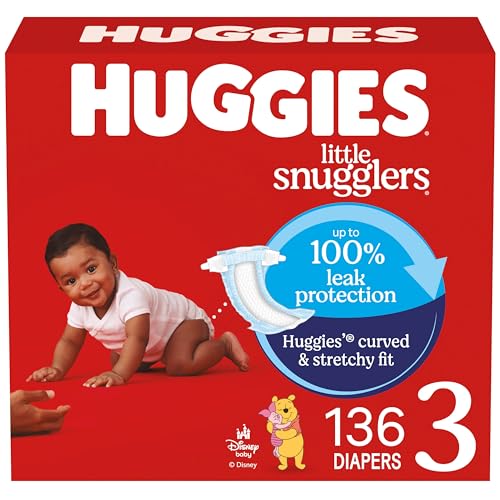
Huggies Size 3 Little Snugglers Diapers
HUGGIES
Mid-Range
Huggies Newborn Little Snugglers Diapers
Huggies
Mid-Range
Huggies Size 5 Little Snugglers Diapers
HUGGIES
Mid-Range
Huggies Size 1 Little Snugglers Diapers 168 ct
HUGGIES
Mid-Range
Pampers Baby Dry Diapers - Size 6, 112 count
Pampers
Mid-Range
Huggies Size 6 Little Snugglers Diapers - 108 ct
HUGGIES
Mid-Range
Pampers Baby Dry Diapers Size 5, 132 ct
Pampers
Mid-Range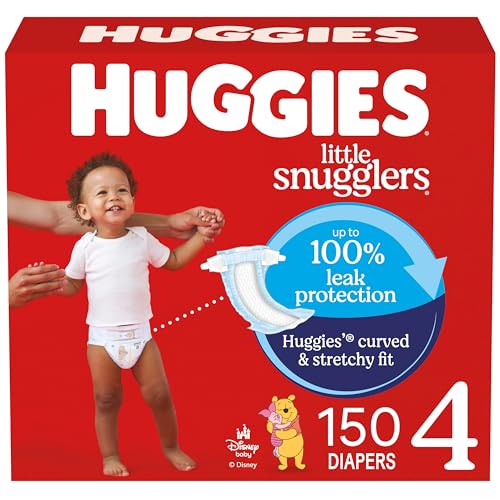
Huggies Size 4 Little Snugglers Diapers (150 ct, 6 packs)
Huggies
Mid-Range
Huggies LittleSnugglers Size 1 Diapers, 198 ct (8-14 lb) - 6 packs
Huggies
Mid-Range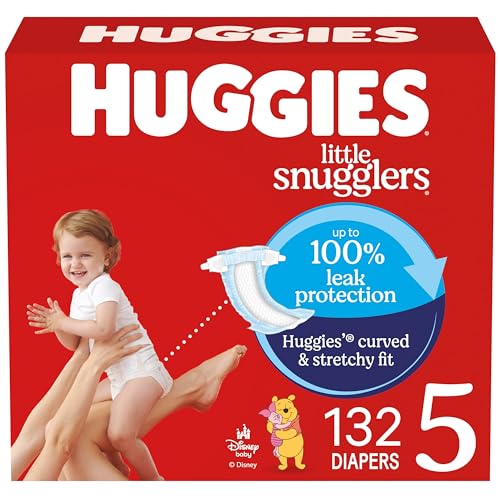
Huggies Size 5 Little Snugglers Diapers (132 ct) 27+ lbs
HUGGIES
Mid-Range
Huggies Size 2 Little Snugglers Diapers (186 ct, 3x62)
HUGGIES
Mid-Range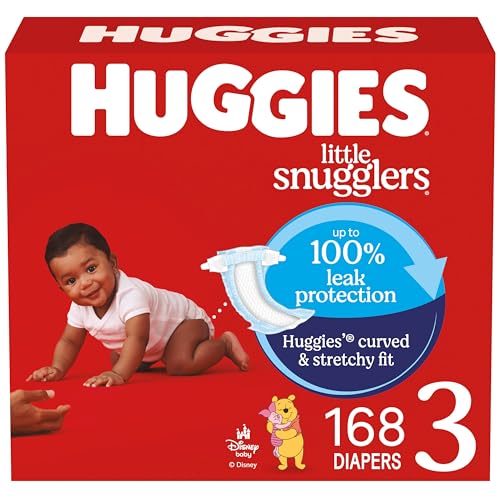
Huggies Size 3 Little Snugglers Diapers
HUGGIES
Mid-Range
Pampers Swaddlers Size 7 Diapers, 70 Count
Pampers
Mid-Range
Pampers Swaddlers Diapers Size 8 (30+ lbs), 60 ct
Pampers
Mid-Range
Huggies Overnight Diapers Size 4 (22-37 lbs), 100 ct
HUGGIES
Mid-Range
Pampers Cruisers 360 Size 4 Diapers - 116 ct
Pampers
Mid-Range
Pampers Cruisers 360 Size 7 Diapers, 70 ct
Pampers
Mid-Range
Pampers Cruisers 360 Diapers Size 3, 136 ct
Pampers
Mid-Range
Pampers Cruisers 360 Diapers - Size 6, 80 ct
Pampers
Mid-Range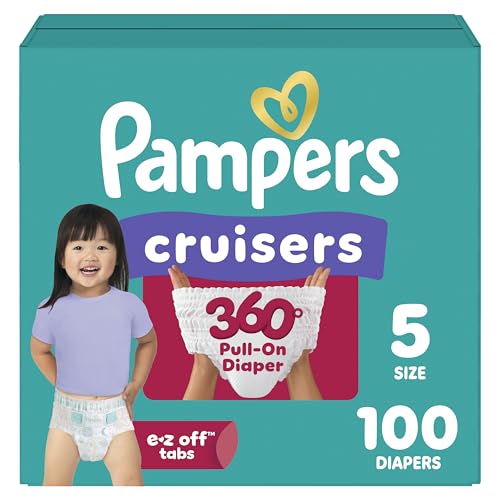
Pampers Cruisers 360 Diapers - Size 5 (100 ct) with 360 stretchy waistband
Pampers
Mid-Range
Pampers Baby Dry Diapers Size 5, 164 ct
Pampers
Mid-RangeRoundups
Frequently Asked Questions
How do I choose the right diaper size for my baby?
Select size based primarily on your baby’s weight range listed on the package, and adjust for fit: snug around the waist and legs without leaving red marks. If leaks or gap marks occur, try the next size up or a different brand with a different cut
What are the main differences between disposable diaper types?
Diapers vary by absorbency (overnight vs. daytime), fit (trim vs. full-coverage), materials (hypoallergenic/scent-free or with plant-based components), and extras like wetness indicators or adjustable tabs; choose based on your baby’s needs, skin sensitivity, and typical wetness patterns
How much should I expect to spend on disposable diapers per month?
Costs vary widely by brand, size, and usage, but many shoppers see monthly spending from low-cost options under $50 to higher-end brands above that; larger packs and subscription purchases typically lower per-diaper cost. The category average price across products is roughly around $60
Are hypoallergenic or fragrance-free diapers better for sensitive skin?
Hypoallergenic and fragrance-free diapers reduce exposure to potential irritants and are a common first choice for babies with rashes or eczema; also look for diapers labeled dermatologically tested or with minimal additives and monitor skin response when switching brands
How can I tell if a diaper is absorbent enough for overnight use?
Overnight diapers advertise higher absorbency or accelerated gel cores and are designed to hold larger volumes; check product descriptions for overnight or high-absorbency claims and read user feedback on leak protection over extended periods to gauge performance
How often should I change disposable diapers to prevent diaper rash?
Change diapers every 2–3 hours for newborns and immediately after soiling; for older infants, change as soon as wetness or soiling is detected and at regular intervals—frequent changes and thorough cleaning of the area help reduce rash risk
What environmental or disposal considerations should I keep in mind?
Disposable diapers are typically not biodegradable in home composting and should be disposed of according to local waste guidelines; some brands use plant-based materials or reduced packaging to lower environmental impact, so review materials and packaging claims if sustainability is a priority