Hammering & Pounding Toys
This category features hammering and pounding toys for babies and young children—wooden peg mazes, pounding benches, and activity hammers designed to develop motor skills and hand-eye coordination. Fifteen products are indexed with an average rating of 4.59 and mid-range pricing around $32–$46; brands include Hape and ANNKIE
Top Products

Hape Pound & Tap Bench with Xylophone
Hape
Mid-Range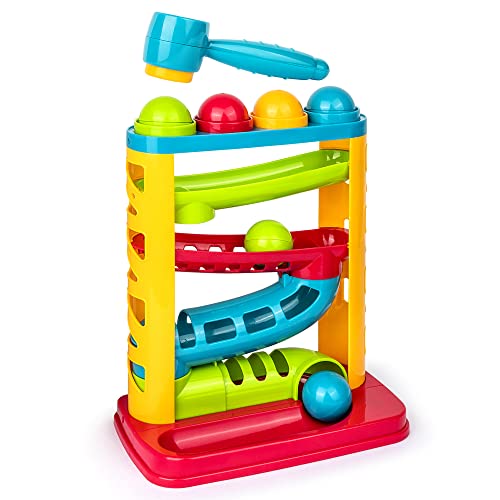
Durable Pound-A-Ball Toys for Toddlers
Playkidz
Budget
Woby Multifunctional Musical Learning Tool Workbench Toy Set
Huile
Budget
Toys for Ages 2-4 Hammering & Pounding Toy with Music & Light
hoperock
Budget
HopeRock Frog Whack Game – 5 Modes, 45 Levels for Toddlers
HopeRock
Budget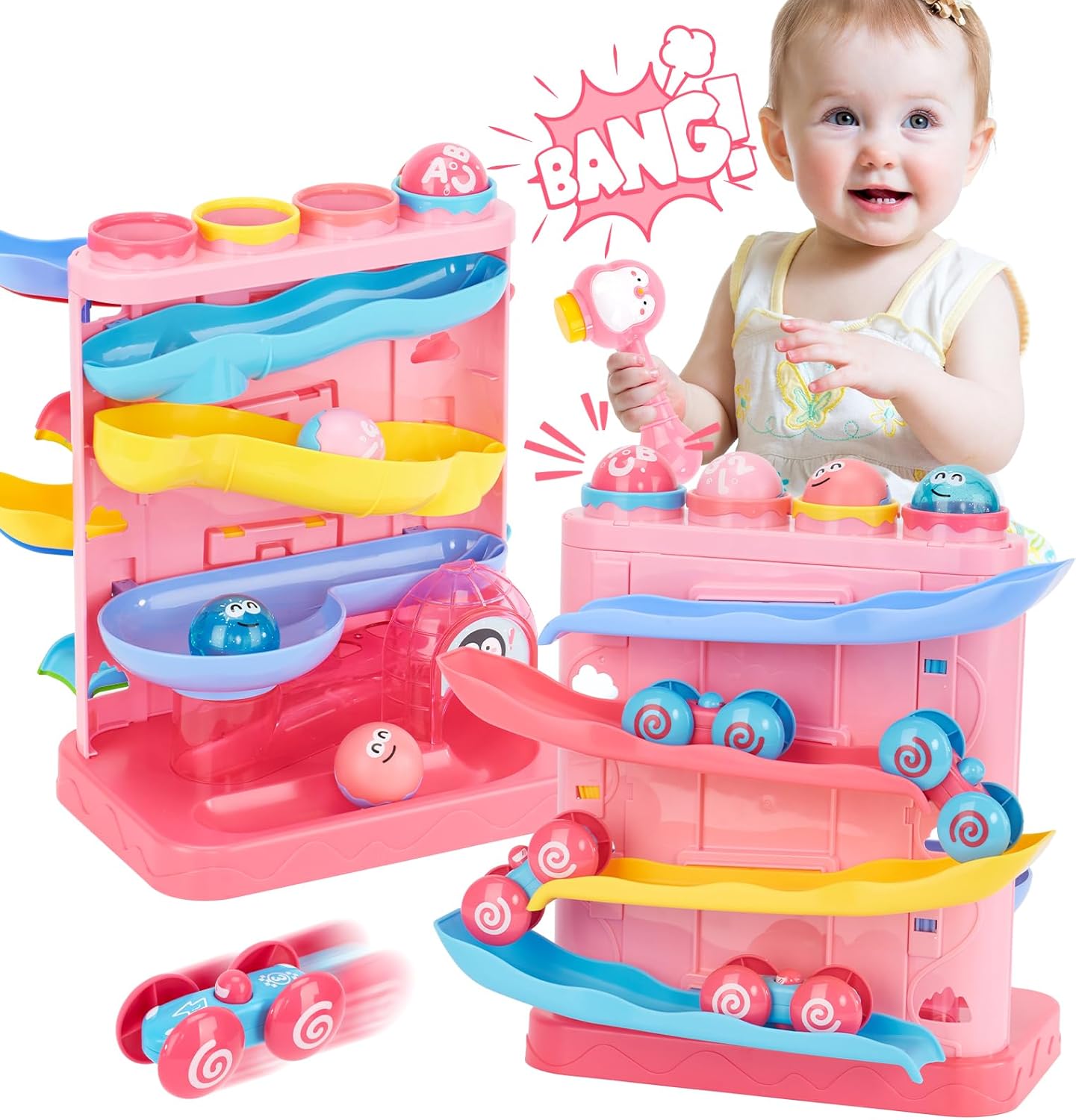
2-in-1 toddler pound ball and car ramp race track toy
GUANGDONG FIVE STAR TOYS CO.,LTD.
Budget
Hammer Mole Whack Game with 2 Hammers
ANNKIE
Mid-Range
iPlay iLearn Toddler Musical Workbench Toy
iPlay, iLearn
Budget
Large Double Hammer Toy with Lights & Sounds
Pafolo
Mid-Range
Hammer Mole Game – Interactive whack-a-mole (2 hammers, 18 balls, 3 modes)
ANNKIE
Mid-Range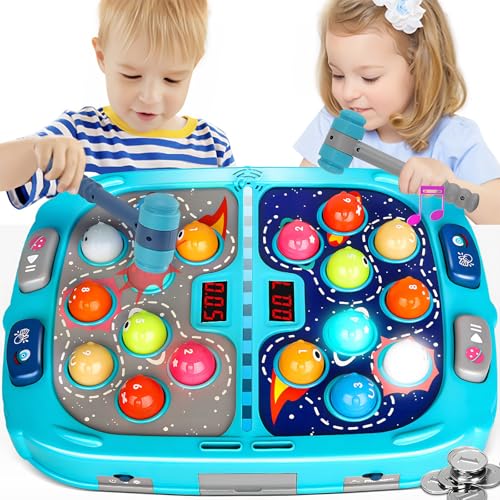
Whack Game Mole for Toddlers with 2 Hammers, 3 Modes
ANNKIE
Mid-Range
Hammer Mole Game with 2 Hammers, 18 Balls, 3 Modes
ANNKIE
Mid-Range
Hammer Mole Game Toy for Toddlers with 2 Hammers
ANNKIE
Budget
Whack A Mole Game for Toddlers with 5 modes and 2 hammers
YOHOOLYO
Budget
Fisher-Price Wood Toddler Pound & Tap Bench Xylophone
Mattel, Inc.
BudgetRoundups
Frequently Asked Questions
What age range are hammering and pounding toys appropriate for?
Most hammering and pounding toys are designed for toddlers 12 months and up; product listings usually specify a recommended age range based on small-part choking risk and required motor skills
What safety features should I look for when choosing a hammering toy?
Look for non-toxic, BPA-free materials, smooth rounded edges, securely attached parts, and certification labels like ASTM or EN71; avoid toys with small detachable pieces for children under 3 years
How do I choose between wooden and plastic hammering toys?
Wooden toys tend to be heavier, durable, and have simpler designs, while plastic options can offer brighter colors, sounds, and lighter weight; choose based on durability preference, sensory features, and cleaning needs
Are interactive features like sounds and lights worth it for toddlers?
Sound and light features can increase engagement and reinforce cause-and-effect learning, but consider battery requirements and volume levels; simpler mechanical toys are quieter and often more durable
What is a reasonable price range for hammering and pounding toys?
These toys commonly range from budget options under $20 to higher-quality or branded sets around $50 or more, with an average price in the neighborhood of $30–$40
How do I clean and maintain these toys?
Wipe most wooden and plastic toys with a damp cloth and mild soap; avoid soaking wooden pieces to prevent warping, and remove batteries before cleaning electronic components
What developmental skills do hammering toys help build?
They promote fine and gross motor skills, hand-eye coordination, cause-and-effect understanding, and problem solving, and they can also support color and shape recognition depending on the design