Hobby RC Airplanes
This category covers hobby RC airplanes sized and styled for babies and young children, including foam trainers, gentle-fly electrics, and beginner-ready models. Products average a 4.25 rating across about 70 listings, with prices typically $33–$250 (avg ~(price varies)) and top brands like DEERC represented
Top Products

RC Airplane 2.4GHz 2-channel RTF with 3-axis gyro
MATHSLICE
Mid-Range
4DRC Foam RC Plane for Kids and Adults
4DRC
Budget
2-Channel RC Airplane Ready to Fly
HAWK'S WORK
Budget
HAWK'S WORK 3 Channel RC Plane BF-109, Ready to Fly
HAWK'S WORK
Mid-Range
DEERC RC Plane with 3 Batteries 6-axis Gyro
DEERC
Budget
HAWK'S WORK RC Airplane 2CH: Easy to Fly Ready-to-Launch Red
HAWK'S WORK
Mid-Range
Foam remote control airplane drone for kids
WATUDOU
Mid-Range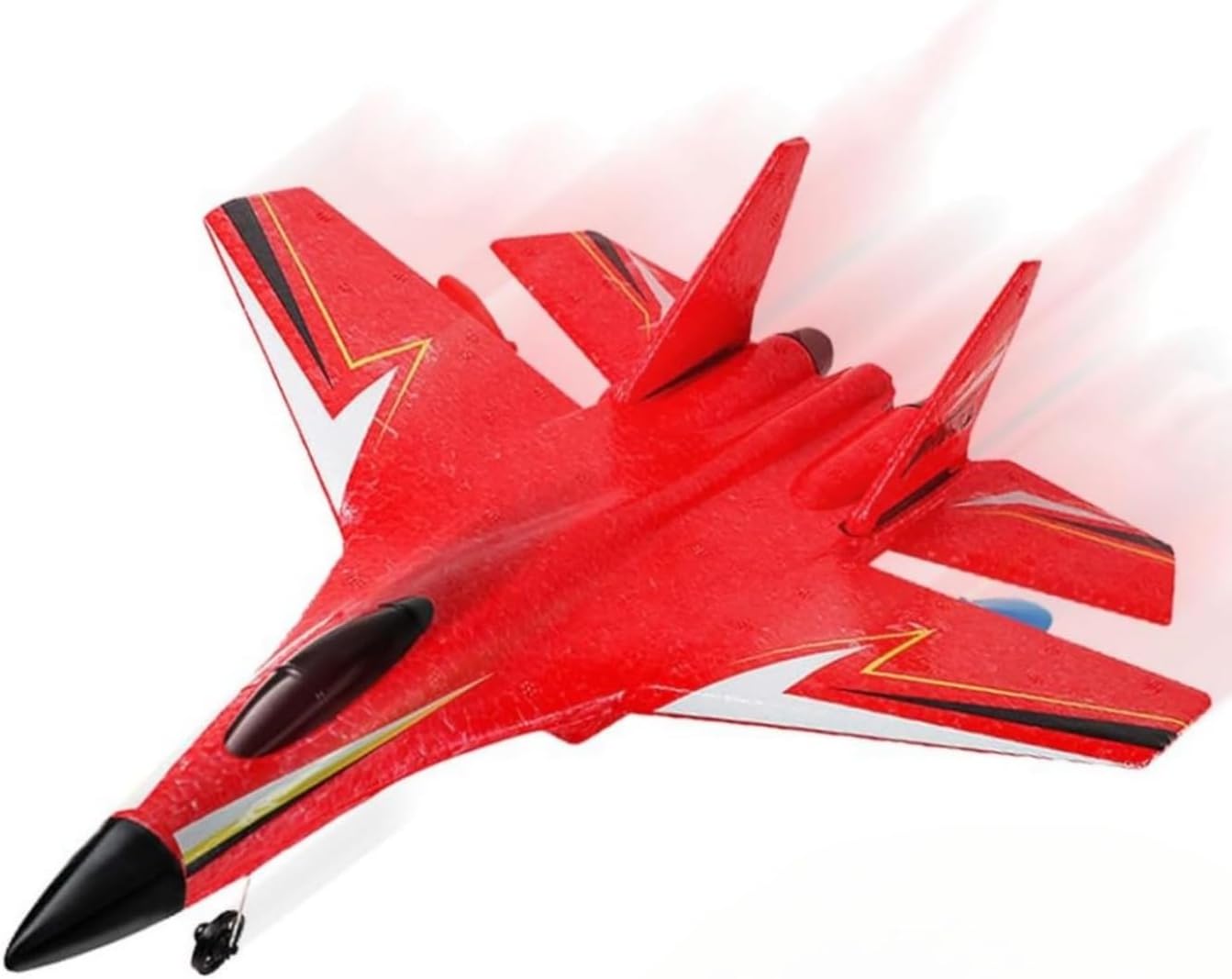
KAMOJI Gravity Glider Airplane
KAMOJI
Mid-Range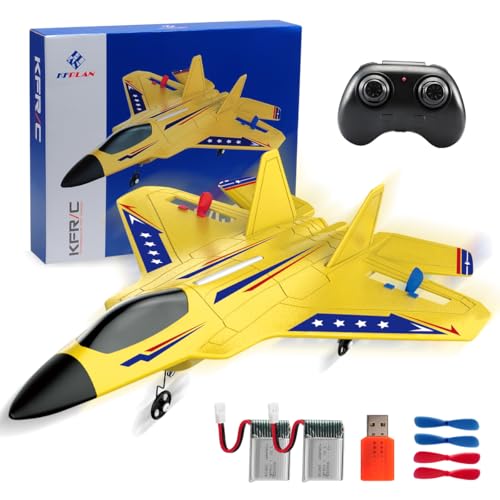
RC Plane with Gyro Stabilizer - 2.4GHz, LED, 2 Batteries (Yellow)
ANTSIR
Budget
DEERC RC Plane 2.4Ghz 6-axis Gyro Stabilized
DEERC
Budget
POWERUP 4.0 smartphone-controlled paper airplane kit
Tailor Toys LLC
Mid-Range
DEERC RC Dragon Plane for Beginners, 2CH Foam Airplane
DEERC
Budget
Top Race Remote Control Airplane - 3-Channel Electric RC Plane
Top Race
Mid-Range
POWERUP 4.0 Dragon Edition: Smartphone-controlled paper airplane kit
Tailor Toys LLC
Mid-Range
DEERC RC Dragon Plane - 2CH Easy Fly Foam Aircraft
DEERC
Budget
HAWK'S WORK 3 Channel RC Plane P-51D Mustang
HAWK'S WORK
Mid-Range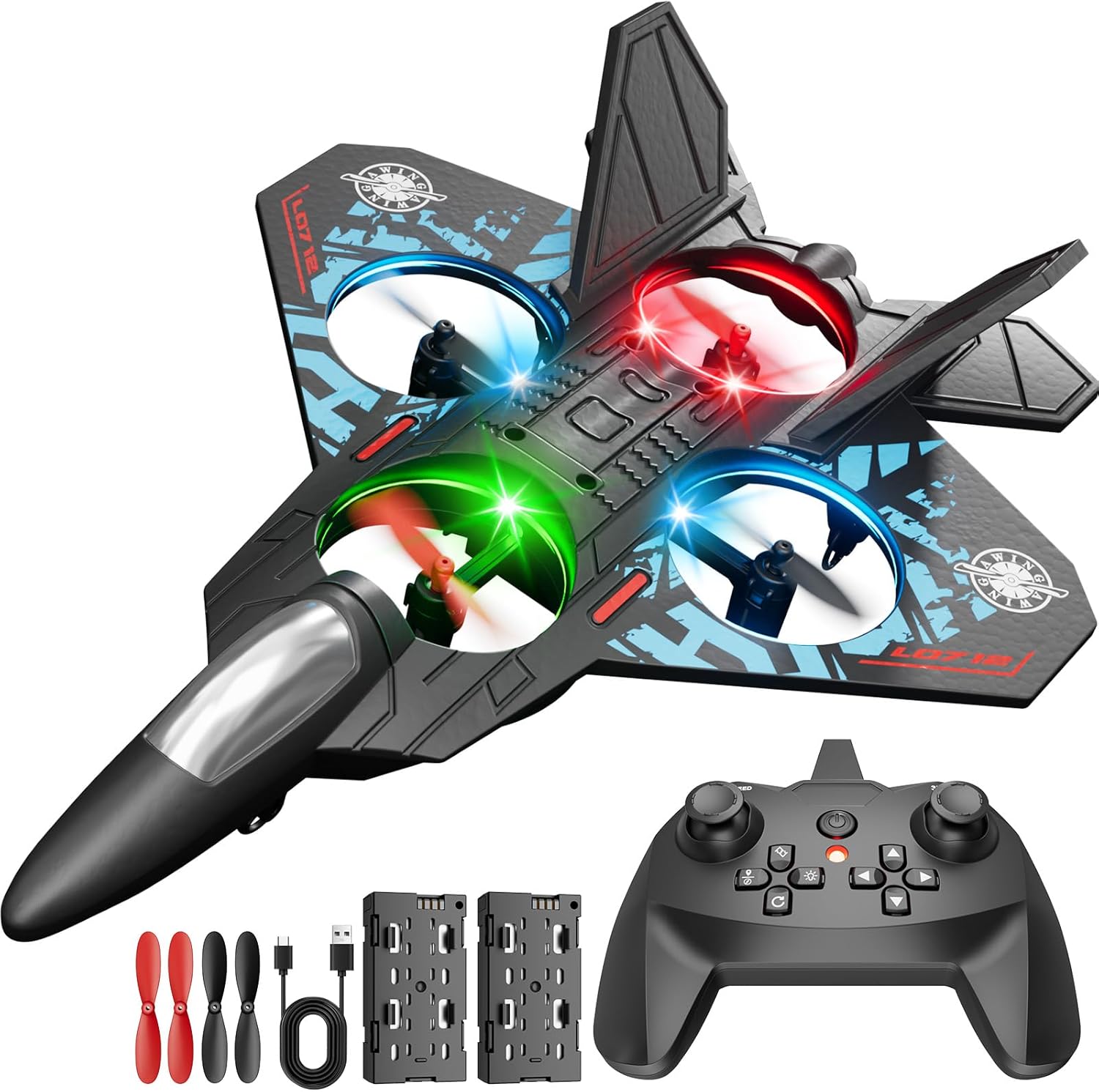
Remote Control Airplane RC Plane for Kids 8-12, 6-axis Gyro
dosumik
Mid-Range
Remote Control Foam Airplane Toy 2.4GHz (Blue)
Poouty
Budget
Yellow RC Plane for Kids Upgrade F-22 Raptor Fighter RC Airplane
RoofWorld
Budget
POWERUP 4.0 smartphone-controlled paper airplane kit
Tailor Toys LLC
Mid-Range
DEERC RC Plane P51D Mustang 3-channel
DEERC
Mid-Range
BEZGAR RC plane & helicopter with LED lights
BEZGAR
Mid-Range
Remote Control Airplane for Kids 2CH Foam RC Plane
crohorizon
Mid-Range
Top Race RC Plane - 3 Channel, Durable, Easy to Fly
Top Race
Mid-RangeRoundups
Frequently Asked Questions
What should I look for when choosing a hobby RC airplane for a young child?
Choose models labeled for beginners with stable flight characteristics, durable materials (foam or reinforced plastic), simplified controls (2- or 3-channel), and features like prop guards or slow flight modes; also check recommended age and required adult supervision
How much should I expect to spend on a kid-friendly hobby RC airplane?
Kid-oriented hobby RC airplanes typically range from under $50 for basic toys to around $150 for more capable beginner hobby models, with many mid-range options near the category average of about (price varies) that balance durability and performance
What safety and supervision considerations are important for kids using RC airplanes?
Ensure flights are conducted in open, obstacle-free areas away from people, roads, and power lines; supervise young children at all times, use propeller guards when possible, and follow local regulations regarding unmanned aircraft
What are key features that improve learning and success for child pilots?
Beginner-friendly features include stable wing designs, auto-trim or self-leveling, slow flight/speed limit modes, crash-resistant construction, easy-to-use transmitters, and accessible spare parts or repair kits
What maintenance and care should I expect for a hobby RC airplane used by kids?
Routine care includes checking batteries and connectors, charging and storing batteries properly, inspecting airframe and control surfaces after flights, replacing worn propellers, and repairing or replacing foam parts as needed
Are batteries and chargers usually included, and what should I know about battery types?
Many kid-oriented RC airplanes include basic batteries and chargers, but some require separate purchases; most use rechargeable lithium polymer (LiPo) or nickel-metal hydride (NiMH) packs—LiPo offers higher energy but requires careful charging, storage, and handling
Can a child progress from a beginner model to more advanced RC airplanes using the same equipment?
Children can progress, but advanced models may require different transmitters with more channels, stronger motors, and separate batteries or batteries with higher discharge rates; choose beginner models with upgradeable parts or compatible radio systems to ease transition