Jigsaw Puzzles
Jigsaw puzzles for babies and kids featuring age-appropriate piece counts, chunky shapes, and educational themes like animals and letters. The category includes 153 indexed products, mostly mid-range priced (about $32–$180, average $46) and brands such as Mys Aurora among the top sellers
Top Products

ZenChalet Yin Yang 500 Piece Wood Puzzle
ZenChalet
Budget
ZenChalet Fleur De Lis 550 Piece Wooden Puzzle
ZenChalet
Budget
QUOKKA Puzzles for Kids Ages 4-6 - 3-Set Educational Wooden Puzzles
Adducate Ukraine LLC
Mid-Range
Elena Essex 2000 Piece Puzzle – Patchwork (39x30 in)
Elena Essex Ltd
Mid-Range
Tree of Life 1000-piece Wooden Puzzle for Adults
ZenChalet
Mid-Range
Aquarius Hogwarts Castle 3000-Piece Puzzle
AQUARIUS
Mid-Range
NCAA Notre Dame Fighting Irish 500-piece Puzzle
YouTheFan
Budget
MasterPieces 750 Piece Jigsaw Puzzle - Black Beauty (18x24)
MasterPieces Puzzle Company
Budget
The Clearly Impossible Puzzle 500 Pieces – CM Originals
CM Originals
Mid-Range
Elena Essex Desert Hideout 2000-Piece Puzzle
Elena Essex
Mid-Range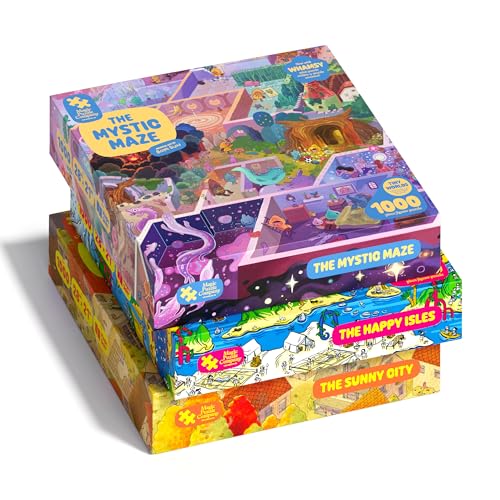
Magic Puzzles 3-Pack: The Happy Isles, The Mystic Maze & The Sunny City
AdMagic
Mid-Range
Iguazu Falls 2000-Piece Jigsaw Puzzle by Ravensburger
Ravensburger
Mid-Range
Jumbo Puzzle Mates Portapuzzle 1500-Piece Storage Board Case
Jumbodiset
Mid-Range
NFL Puzzle by YouTheFan 1000-piece Dog House
YouTheFan
Budget
Elena Essex Sea Shells 1000 Piece Puzzle
Elena Essex
Budget
Giant Coloring Poster - Original Jumbo Coloring Poster
DEBBIE LYNN
Mid-Range
Jumbo Portapuzzle Deluxe 1000-Piece Jigsaw Storage Board Case
Jumbo
Mid-Range
NFL Game Day Dog House 1000pc Puzzle
YouTheFan
Budget
Unique Wooden Jigsaw Puzzle - Mandala Succulent Plants (500 pcs)
Mys Aurora
Mid-Range
The Clearly Impossible Puzzle – Crystal Edition (100–1000 pieces)
CM Originals
Mid-Range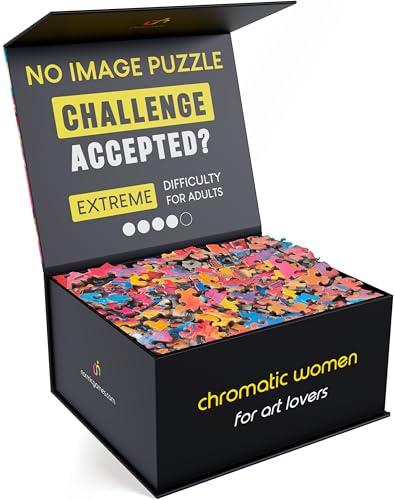
No Image Puzzle 1000 Irregular Pieces Extreme Difficulty
normic
Budget
Jigsaw Puzzle 1000 Pieces - Mystery Story Ending with Space & Food Theme
Odd Pieces
Mid-Range
ArtToFrames 26.75x19.75 in Black Puzzle Frame (1000-piece)
ArtToFrames
Budget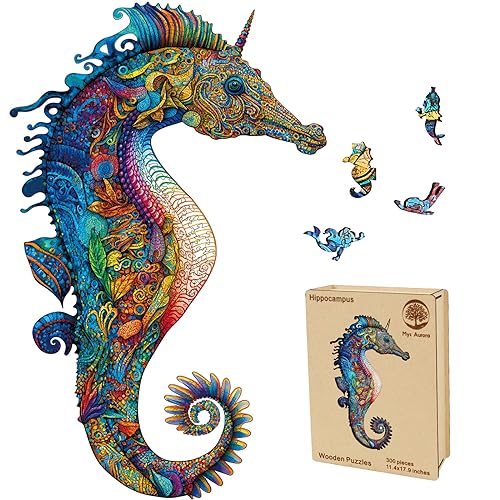
Unique Wooden Jigsaw Puzzle - Unicorn Seahorse, 300 Pcs
Mys Aurora
BudgetRoundups
Frequently Asked Questions
What age ranges are jigsaw puzzles for baby & kids designed for, and how do I choose the right one?
Puzzles in this category typically target toddlers through elementary ages; look for piece count and piece size as primary indicators—large chunky pieces or floor puzzles for 1–3 years, 24–48 pieces for 3–6 years, and 50+ pieces for older children. Check the manufacturer's recommended age on the box and match complexity to your child's current fine-motor and attention skills
How much should I expect to spend on a child-friendly jigsaw puzzle?
Children’s jigsaw puzzles commonly range from low-cost simple sets under $20 to more elaborate or larger puzzles around $20–$70; average prices in curated baby & kids collections tend to be moderate, reflecting higher-quality materials or larger piece counts. Consider budget, piece count, and materials when comparing price to value
What materials and safety features should I look for in baby & kids jigsaw puzzles?
Choose puzzles made from thick, non-toxic cardboard or durable wood with smooth, rounded edges and child-safe finishes; look for certifications or labeling that indicate compliance with toy safety standards (e.g., non-toxic paints). Avoid small pieces for young children and ensure packaging lists age-appropriate warnings about choking hazards
Do themed images or educational features matter when selecting a puzzle for a child?
Yes — themes (animals, letters, numbers, maps) can boost engagement and learning; puzzles with prompts for color, counting, or vocabulary support specific developmental goals. Pick themes that match the child’s interests and learning objectives to increase motivation and repeated play
How durable are kids’ jigsaw puzzles and how should I care for them?
Durability varies: thick-board and wooden puzzles resist bending and repeated handling better than thin cardboard; store pieces in a box or resealable bag to prevent loss and keep out of moisture. Clean surfaces with a dry cloth; avoid soaking or harsh cleaners, and repair minor edge wear with clear tape on the underside if needed
What is a good piece count to improve a child's skills without causing frustration?
Start with very few, large pieces for toddlers and gradually increase: 12–24 pieces for beginners, 24–48 pieces for developing problem-solving in preschoolers, and 50–200+ pieces for school-age children depending on their experience. Monitor for signs of frustration and adjust complexity upward as confidence grows
Are wooden puzzles better than cardboard for babies and young children?
Wooden puzzles are generally more durable and withstand rough handling, making them well-suited for toddlers; cardboard puzzles offer more variety in imagery and higher piece counts at lower cost. Choose based on your priorities: longevity and robustness (wood) versus complexity and image detail (cardboard)