Kids' Play Trains & Trams
Wooden and plastic play trains and trams for babies and young children, including track sets, battery-powered engines, and compatible building-block models. The 34 indexed items average a 4.63 rating and span budget to mid-range prices (about $32–$210), with BRIO, Mattel and LEGO among top brands
Top Products

Wooden Train Track 52 Piece Set - 18 ft expansion
Right Track Toys
Mid-Range
BRIO World Signal Station Set - 2-Piece Wooden Train Track
BRIO
Budget
Thomas & Friends motorized train set Crystal Caves Adventure
Mattel, Inc.
Mid-Range
BRIO Builder 34592 Builder Record and Play Set
BRIO
Budget
Thomas & Friends 7 Days of Surprises Gift Set diecast trains
Fisher-Price
Budget
BRIO Mighty Red Action Locomotive — Battery-powered wooden train
BRIO
Mid-Range
Lehoo Castle Farm Animal Wooden Train Set for Toddlers
Lehoo Castle
Budget
Theo Klein Train Crossing Traffic Light Cycle
Theo Klein
Mid-Range
BRIO World Battery Operated Action Train – Motorized Wooden Set
BRIO
Mid-Range
Round The Rails Train Rug with 3 Linking Train Cars
Melissa & Doug
Mid-Range
Wooden Train Set with 100 pieces and accessories
On Track USA
Mid-Range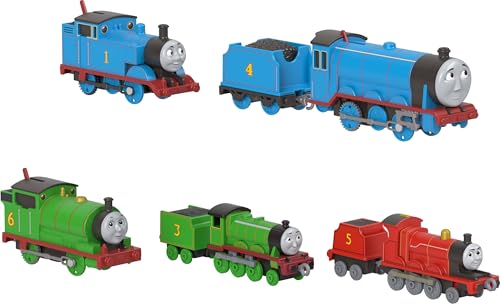
Thomas & Friends toy trains set with motorized & die-cast engines
Mattel, Inc.
Mid-Range
Train Set for Toddlers with Steam, Music & Lights
MORECOLL
Budget
BRIO World 50-Piece Track Pack for wooden train sets
BRIO
Premium
Thomas & Friends Toddler Train Table with Track & Activities
Mattel, Inc.
Mid-Range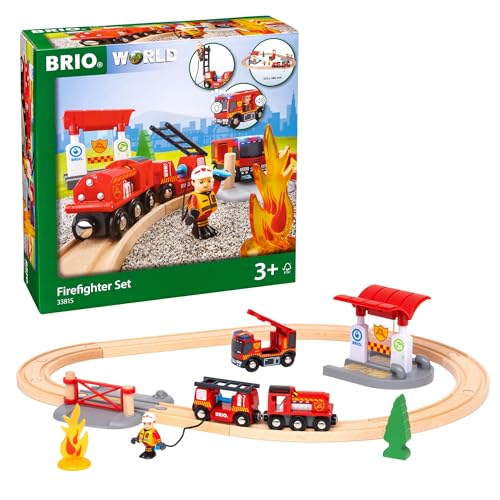
BRIO Rescue Firefighter Set - 18-Piece Wood Train Playset
BRIO
Mid-Range
Montessori Farm Animal Train Set with counting & sorting
GooMags
Budget
Unfinished DIY Wooden Trains 30-Pc Set, 5 Styles
Halloscume
Mid-Range
Lehoo Castle Wooden Train Set with Crane
Lehoo Castle
Budget
BRIO Mighty Golden Action Locomotive - Battery Operated Train
BRIO
Mid-Range
Wooden Train Track Set – 100 pcs for kids 3-10
KiToyWod
Mid-Range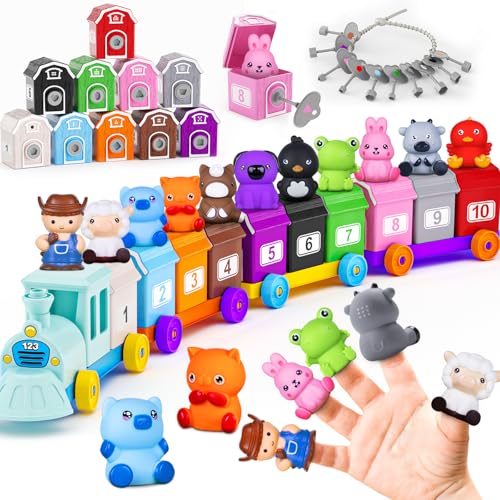
Toddler train toys with farm animals & puppets
Tubkam
Budget
Hot Bee Train Set with Remote Control and Deluxe Track
LCF
Mid-Range
BRIO Remote Control Train Set (33213) Wooden Toy
BRIO
Mid-RangeRoundups
Frequently Asked Questions
How do I choose the right play train or tram for my child's age?
Check the manufacturer's recommended age range and look for appropriate size and complexity: chunky wooden trains and simple push-along trams for infants and toddlers, battery or motorized sets and small-part builds for preschoolers and older children
What safety features should I look for in kids' play trains and trams?
Look for non-toxic paint, smooth edges, securely attached small parts, and conformance to toy safety standards; avoid sets with removable small pieces for children who still mouth objects
Are wooden trains or plastic/LEGO-style sets better for durability and play value?
Wooden trains (e.g., magnetic or peg-connected) are typically durable and simple to repair, while plastic and LEGO-style sets offer more detail, expandability, and themed builds; choose based on intended use, age, and whether you want modular add-ons
How much should I expect to spend on a good kids' play train or tram set?
Entry-level single vehicles and simple starter sets are often available under $50, with larger motorized or expandable track systems commonly ranging from about (price varies) to over $150 depending on size and brand; average category price is mid-range
Can different train brands or track systems be mixed together?
Some wooden track systems are designed to be compatible across brands using similar connector shapes, but many plastic or branded motorized systems are proprietary; check compatibility specifications before combining sets
What maintenance is needed to keep play trains and tracks in good condition?
Regularly clean surfaces with a damp cloth, tighten or replace loose parts, store track pieces flat to avoid warping, and remove batteries from motorized units when not in use to prevent leakage
Are battery-operated or push-along trains better for younger children?
Push-along trains encourage gross motor skills and are simpler for younger toddlers, while battery-operated trains add independent motion and sound that appeal to older toddlers and preschoolers but require supervision for batteries and moving parts