Kids' Rock Tumblers
Kids' rock tumblers for children and beginners, including small electric and hand-crank models for polishing stones and making fossils or jewelry. The category spans budget through premium options (about $35–$300, avg $93) and includes brands like JMW Sales, Inc. and KoolStone
Top Products
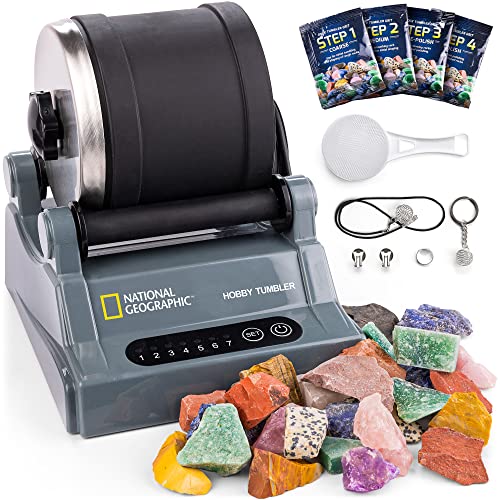
National Geographic Rock Tumbler Kit: Hobby Edition
JMW Sales, Inc
Mid-Range
National Geographic rock tumbler refill kit: 5 lb mixed rocks
JMW Sales, Inc.
Mid-Range
National Geographic Rock Tumpler Refill Kit with Gemstones
JMW Sales, Inc.
Budget
National Geographic Starter Rock Tumbling Kit for Kids
Discover with Dr. Cool
Mid-Range
C1 Rock Tumbler Kit 2.5LB Capacity
KoolStone
Mid-Range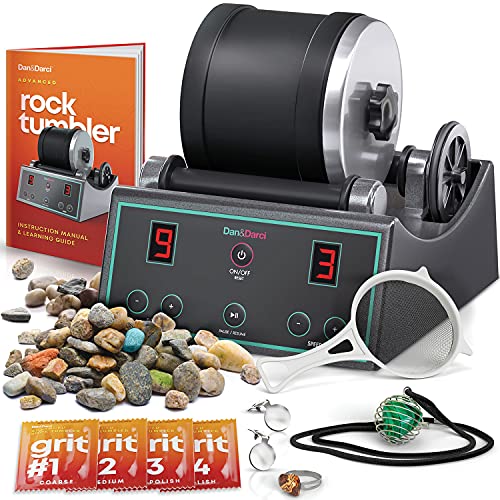
Dan&Darci Advanced Rock Tumbler Kit with 9-Day Timer, 3 Speeds
Dan&Darci
Mid-Range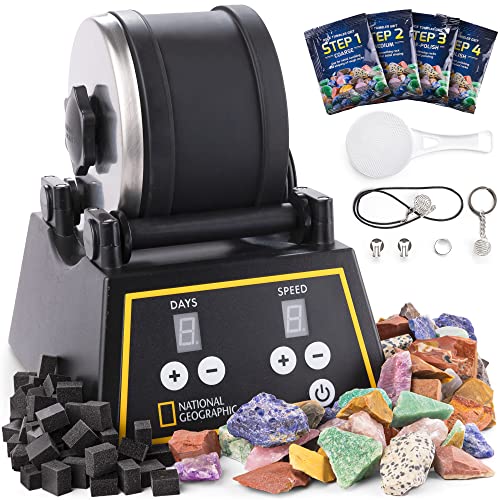
National Geographic Rock Tumbler Kit with 2 lb barrel
JMW Sales, Inc.
Mid-Range
6 LBS Rock Tumbler Grits Kit for 4-Step Polishing
Tonmp
Mid-Range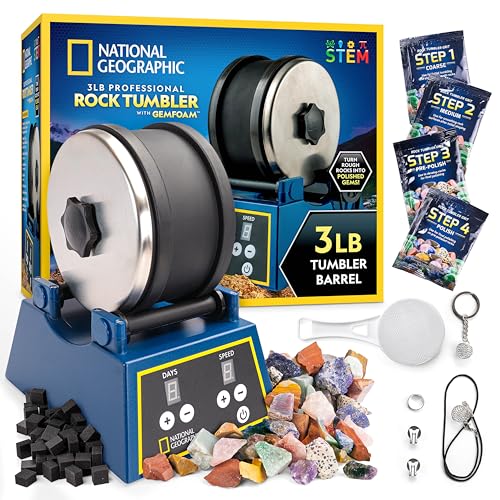
National Geographic Rock Tumbler Kit 3 Lb Extra Large Capacity Barrel
JMW Sales, Inc.
Premium
C1 Pro Rock Tumbler Kit with Brushless Motor
KoolStone
Premium
K1 Pro Brushless Rock Tumbler Kit 2.5Lb Barrel, 3-Speed, 9-Day Timer
KomeStone
Premium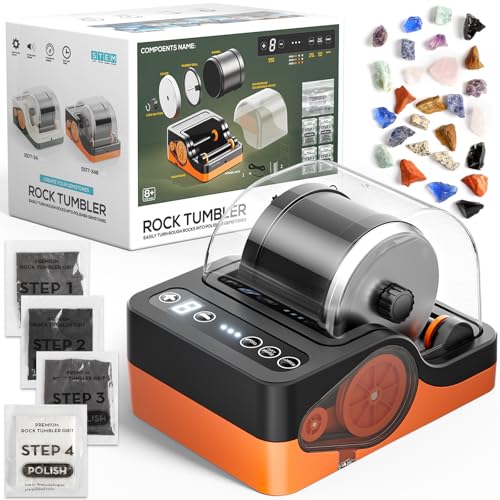
HopeRock Rock Tumbler Kit with Noise Reduction Cover
HopeRock
Mid-Range
Leegol Electric Rock Tumbler Machine, Single Drum 3LB
Leegol Electric
Mid-Range
Zcvtbye Rock Tumbler Kit for kids & adults
Zcvtbye
Budget
Leegol Electric 3LB Rock Tumbler
Leegol Electric
Mid-Range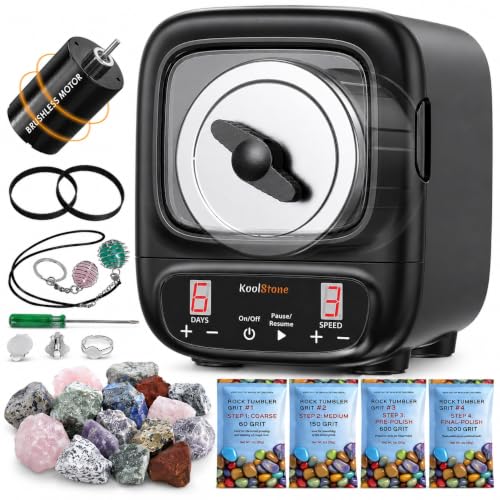
C1 Pro Max Brushless Rock Tumbler Kit (Extra Large 3LB)
KoolStone
Premium
National Geographic Ultra Quiet Rock Polisher Kit
JMW Sales, Inc.
Premium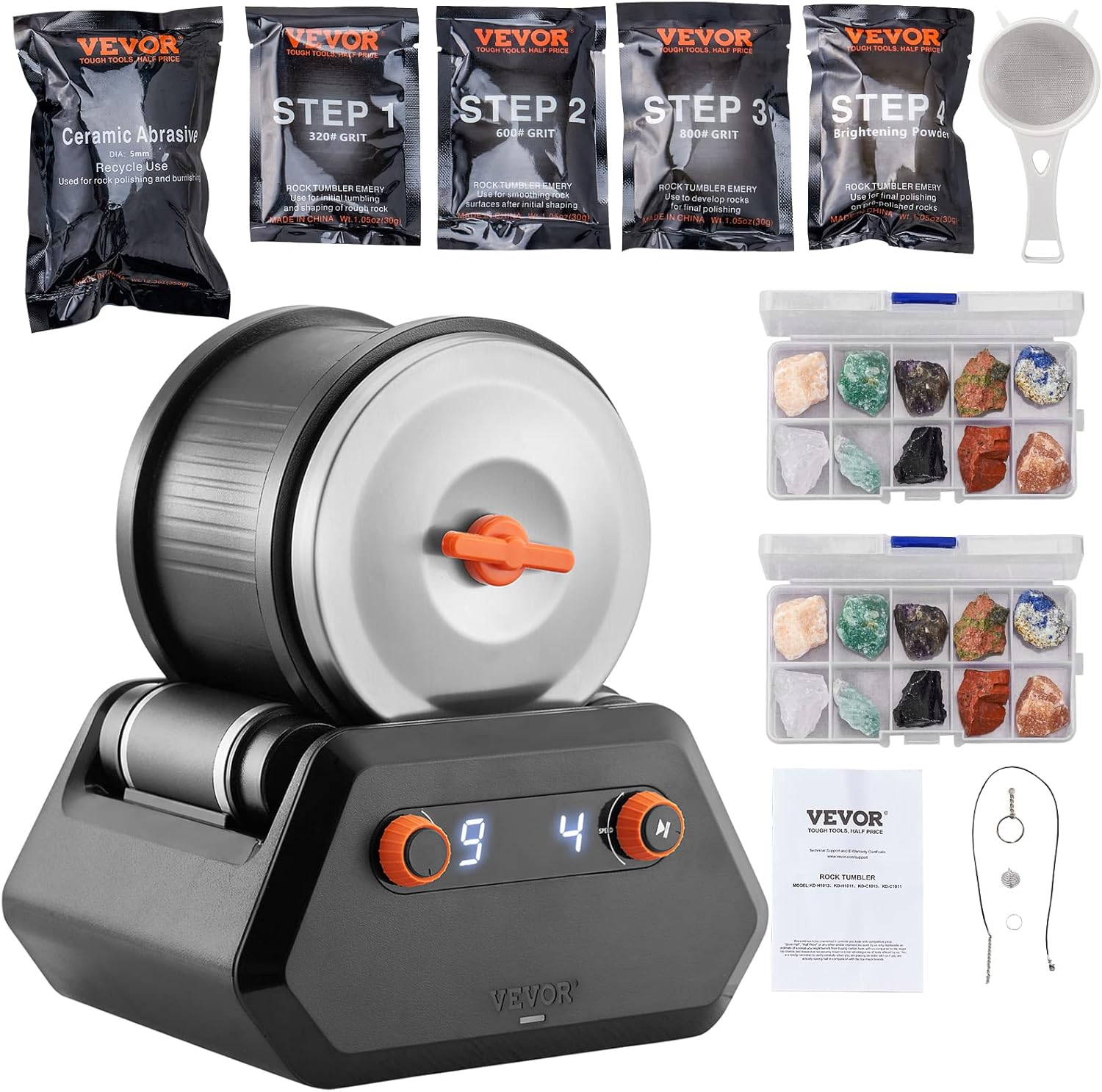
VEVOR Rock Tumbler Kit with 4-Speed and 9-Day Timer
VEVOR
Mid-Range
Tumble-Bee Rock Tumbler Kit TB-14-KIT
Tumble-Bee
Premium
Tumble-Bee Rock Tumbler Large TB-14 1x4lb
Reentel
Premium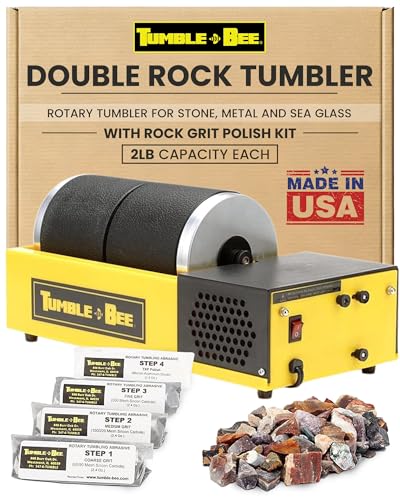
Tumble-Bee Double Rock Tumbler TB-22-KIT
Tumble-Bee
Premium
Tumble-Bee Rock Tumbler TB-22 dual 2x2lb barrels
Reentel
Premium
Rebel 17 Rock Tumbler by Extreme Tumblers
Extreme Tumblers
PremiumRoundups
Frequently Asked Questions
How do I choose the right rock tumbler for kids?
Choose a tumbler based on age-appropriate safety features (sealed lids, slow speeds), capacity (smaller barrels 0.5–2 lb for individual projects), durability, and ease of use; look for models with simple controls and clear instructions for beginners
What should I expect to pay for a kids' rock tumbler?
Kids' rock tumblers commonly range from budget options under $50 to higher-end models over $150, with many mid-range units around $50–$120; consider whether accessories like grit and starter stones are included when comparing prices
What materials and accessories are typically needed to tumble stones?
Basic supplies include rough stones, coarse/medium/fine polishing grits, and a polishing compound; some kits bundle these items, while others require separate purchase—verify grit types and quantities before buying
Are rock tumblers safe for young children to use?
With supervision, rock tumblers are generally safe for children but avoid letting very young kids operate them alone; ensure lids are secure during operation, follow manufacturer safety guidelines, keep hair and loose clothing away from moving parts, and supervise handling of grits and small stones
How long does it take to polish rocks in a tumbler?
Tumbling is a multi-step process that typically takes several weeks: rough grinding 1–2 weeks, medium/finishing steps another 1–2 weeks, and polishing several days to a week, depending on rock hardness and barrel capacity
What maintenance does a kids' rock tumbler require?
Regular maintenance includes cleaning the barrel between grit stages to avoid contamination, checking and tightening seals and fasteners, replacing worn barrels or belts as needed, and storing the machine dry when not in use
Which features are most important for long-term use and learning?
Durable construction, a replaceable barrel, straightforward controls, and availability of replacement parts and grits support long-term use; a quieter motor and stable base improve classroom or home learning environments