Learning & Education Toys
This category covers learning and education toys for babies and young children, including Montessori sets, sensory play, and early STEM/activity kits. Products average a 4.53 rating across 17 items, with mid-range prices around $34–$100 and brands like hand2mind represented
Top Products

Mapology USA & World Map Puzzle with Flags and Capitals
By the Buy
Mid-Range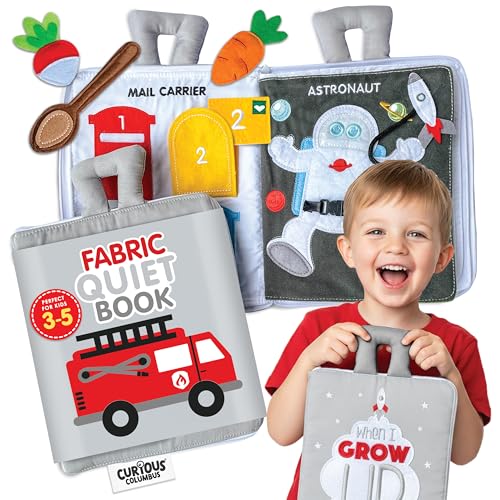
Curious Columbus Quiet Book: Montessori-style Busy Book for Toddlers
Little Red Shepherd
Budget
Pretend & Play School Set with 149 Pieces
Learning Resources
Mid-Range
Counting Peg Board for Montessori math with wooden pegs
Montessori & Me
Budget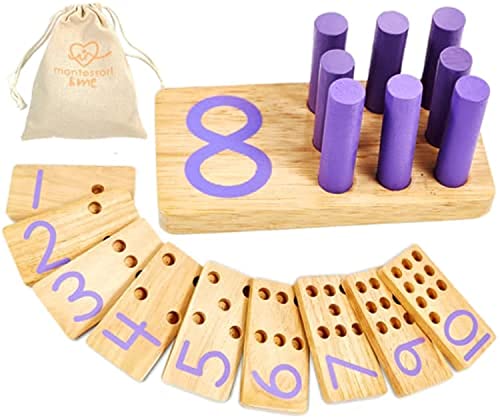
Counting Peg Board for Montessori Math with Wooden Counting Pegs
Montessori & Me
Mid-Range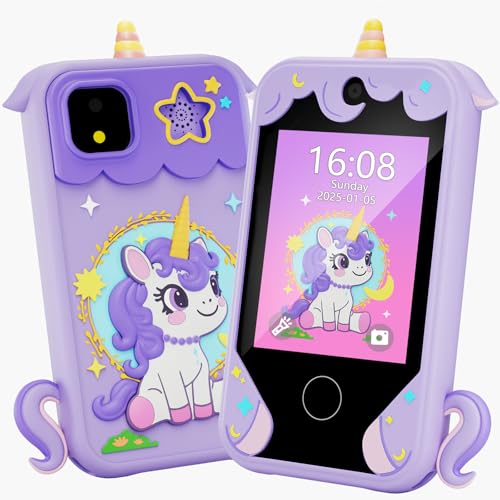
Kids Phone Toy with Camera and Education Apps (Purple) - Windpaint
windpaint
Mid-Range
Numberblocks Blockzee Balance Activity Set with 61 MathLink Cubes
hand2mind
Budget
Feelings Family Intro Storybook & Plush Set
hand2mind
Mid-Range
Learn My Letters and Numbers Fine Motor Clips Bundle
hand2mind
Budget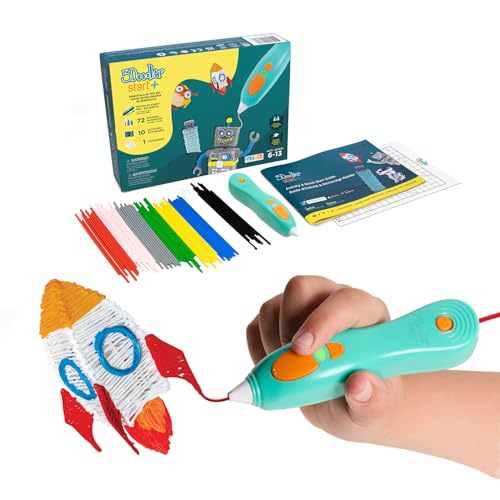
3Doodler Start+ Essentials 3D Pen Set for Kids
3Doodler
Mid-Range
Drawing Robot for Kids – Interactive Educational Toy (Blue)
TREEFIA
Mid-Range
Drawing Robot for Kids - Interactive Educational Toy (Pink)
TREEFIA
Mid-Range
Glo Pals Sensory Play Pack Bundle
Glo Pals
Mid-Range
Glo Pals Sensory Play Pack Bundle
Glo Pals
Mid-Range
Numberblocks Heroes with Zeroes MathLink Cubes Activity Set
hand2mind
Premium
Smart Drawing Robot for Kids with 16 Color Pens
CYJBE
Mid-Range
Smart Drawing Robot for Kids with Voice Interaction
CYJBE
PremiumRoundups
Frequently Asked Questions
How do I choose the right learning & education toy for my child's age and development?
Match toys to recommended age ranges and developmental milestones: sensory and grasping toys for infants, cause-and-effect and simple puzzles for toddlers, and more complex building, counting, and language toys for preschoolers. Look for clear age guidance on packaging and features that support fine motor, cognitive, social, or language skills
What safety and material features should I look for in baby and kids learning toys?
Check for non-toxic materials, BPA- and phthalate-free plastics, smooth edges, and secure small-part design for the intended age group. Verify product safety certifications or standards (e.g., ASTM, EN71) and washable or wipeable surfaces for hygiene
Are screen-free educational toys worth it compared to tech-based options?
Screen-free toys promote hands-on learning, fine motor skills, imaginative play, and social interaction, while tech-based options may add adaptive feedback and audio instruction; choose based on your learning goals and balance screen time with tactile, social play
What price range should I expect for quality learning toys and how does price relate to value?
Learning and education toys commonly range from budget options under $25 to higher-end sets over $100, with many products clustered around mid-price points; higher cost can reflect durable materials, multi-functionality, or larger sets, but simple, well-designed toys can offer strong educational value at lower prices
How do I evaluate whether a toy will grow with my child or offer long-term use?
Look for adjustable difficulty, modular components, open-ended play possibilities, and multi-skill engagement (e.g., toys that support counting, sorting, and storytelling). Reviews that mention replay value and compatibility with other sets also indicate longer-term usefulness
What care and cleaning practices are recommended for baby and kids learning toys?
Follow manufacturer instructions; many plastic or silicone toys can be wiped with mild soap and water, submerged and air-dried, or cleaned with disinfectant wipes if labeled safe. Fabric or electronic components may require spot cleaning or surface wipes only
How can I assess educational claims like 'STEM' or 'Montessori' on toy packaging?
Check whether the toy's features align with the educational approach—STEM toys typically emphasize problem-solving and experimentation, while Montessori-style toys focus on hands-on, self-directed learning and realistic materials—and look for clear descriptions of learning outcomes rather than broad labels