Money & Banking Play Toys
Play toys for money and banking teach counting, coin recognition, and simple transactions using cash registers, play money, and piggy banks for babies and kids. The 19 indexed products average a 4.51 rating, span roughly $32–$74 (avg ~(price varies)), and include brands like Learning Resources and Shantou Jinyishuo
Top Products

Pretend & Play Calculator Cash Register, 73-Piece Set
Learning Resources
Mid-Range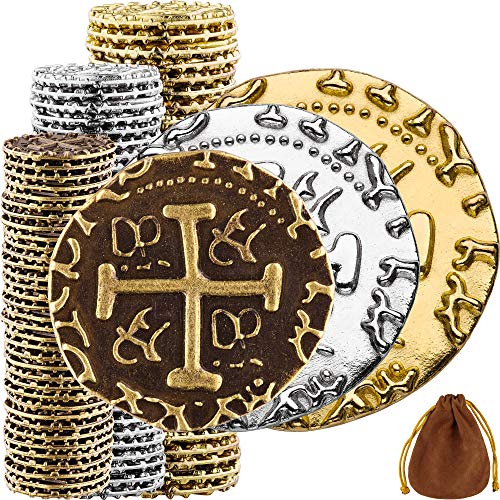
Large Pirate Coins - 102 Bronze, Silver & Gold Treasure Coin Set
Leib Games
Mid-Range
Pretend & Play Calculator Cash Register with Canadian Currency
Learning Resources
Mid-Range
1000 Pcs Play Props for Movies, Parties, Stage Props
YHRBTPO
Budget
Calculator Cash Register Toy Gift for Kids 3-8+ with 120 Pcs Grocery Playset
Shantou Jinyishuo Toys Co., Ltd.
Mid-Range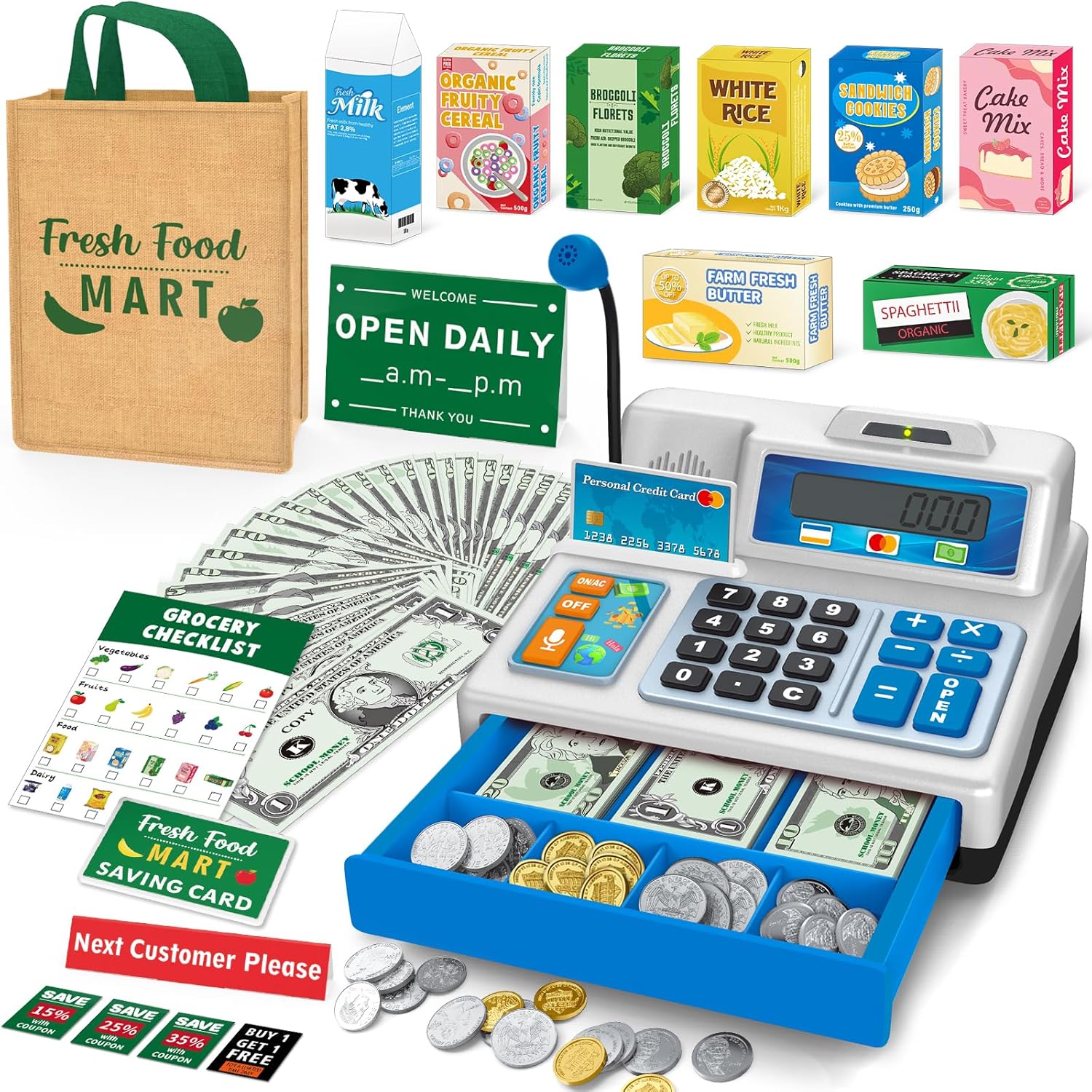
Calculator Cash Register Toy with 120 Pcs Grocery Playset
Shantou Jinyishuo Toys Co., Ltd.
Budget
Calculator Cash Register Toy - 120 Pcs Grocery Playset for Kids
Shantou Jinyishuo Toys Co., Ltd.
Budget
Toddler learning pretend cash register with 20 pieces
Fisher-Price
Budget
Large Double-Sided Magnetic Money Set for Learning
Simply Magic
Mid-Range
Pretend & Play Teaching Cash Register
Learning Resources
Mid-Range
Calculator Cash Register 103 Pcs Toy Grocery Store Set
Shantou Jinyishuo Toys Co., Ltd.
Budget
Calculator Cash Register Toy with 103 Pcs Grocery Playset
Shantou Jinyishuo Toys Co., Ltd.
Mid-Range
Calculator Cash Register 103 Pcs Toy Cash Register Set for Kids
Shantou Jinyishuo Toys Co., Ltd.
Mid-Range
55 PCS Large Bear Claw Machine with Lights and Sound
Aiqi
Mid-Range
Calculator Cash Register Toy with Microphone and Coins
Shantou Jinyishuo Toys Co., Ltd.
Budget
Pirate Gold Coins - 1000 Plastic Treasure Coins for Games
Hanaive
Mid-Range
Calculator Cash Register 103 Pcs Toy Set for Kids
Shantou Jinyishuo Toys Co., Ltd.
Budget
Plastic Pirate Coin Set – 800 pieces in gold, silver, bronze
Hanaive
Budget
Liberty Imports Lucky Sevens Jumbo Slot Machine Toy Piggy Bank
Liberty Imports
Mid-RangeRoundups
Frequently Asked Questions
How do I choose the right money and banking play toy for my child's age?
Check the manufacturer's recommended age range and choose toys with appropriately sized pieces and complexity: simple coin counters and chunky play coins for toddlers (1–3 years), basic piggy banks and pretend bills for preschoolers (3–5 years), and role-play sets with registers and calculators for older kids (5+)
What safety features should I look for in these play toys?
Look for non-toxic materials (BPA- and lead-free), pieces that meet small-parts safety standards for the intended age group, smooth edges, and secure battery compartments if electronic components are included
How much should I expect to spend on money and banking play toys?
Prices vary by complexity and brand; expect low-cost basic sets and coin counters under $25, mid-range role-play banks and registers around $25–$60, and higher-end or electronic sets above that, with an average price in this category near (price varies)
What educational benefits do these toys provide?
They support early numeracy, counting, simple arithmetic, coin recognition, fine motor skills, and social role-play that helps develop communication and money-handling concepts
Are wooden or plastic money toys better for durability and cleaning?
Wooden toys are often more durable and can be wiped clean with a damp cloth, while plastic toys are lightweight and can be cleaned with mild soap and water; avoid submerging electronic components and follow manufacturer cleaning instructions
How do I care for and store small pieces like coins and bills?
Keep small pieces in a labeled container or mesh bag to prevent loss, wash hands before play to reduce dirt, regularly inspect pieces for wear, and remove damaged items to avoid choking hazards
Can these toys help prepare children for real-world money skills?
Yes; through repetitive counting, sorting, role-play transactions, and use of pretend registers or piggy banks, children can build foundational skills in money recognition, saving, and basic arithmetic that transfer to real-world learning