Playground Climbers
Playground Climbers for babies and kids includes indoor and outdoor climbing structures, slides, and playsets designed for gross-motor development and active play. The 39 indexed products average a 4.63 rating and range from budget to mid‑range prices (roughly $37–$332); notable brands include Zupapa
Top Products
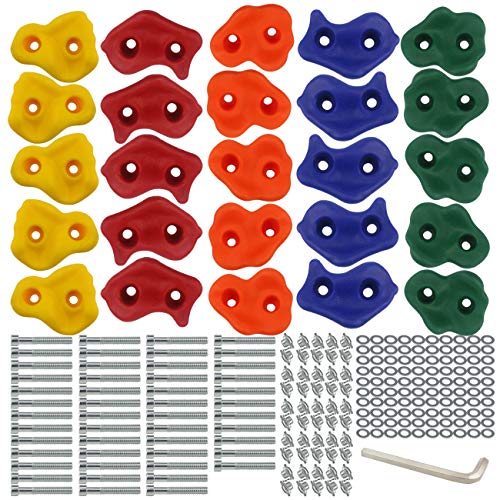
Ogrmar 25 PCS Rock Climbing Holds Set with Screws
Ogrmar
Budget
Simplay3 Two Sided Rock Around Wobble Disk and Climbing Dome
Simplay3
Mid-Range
Simplay3 two-sided rock around wobble disk and climbing dome (2 pack)
Simplay3
Premium
Zupapa 10FT Climbing Dome - 2025 Upgraded Decagonal Dome Climber (Blue, 6FT)
Zupapa
Premium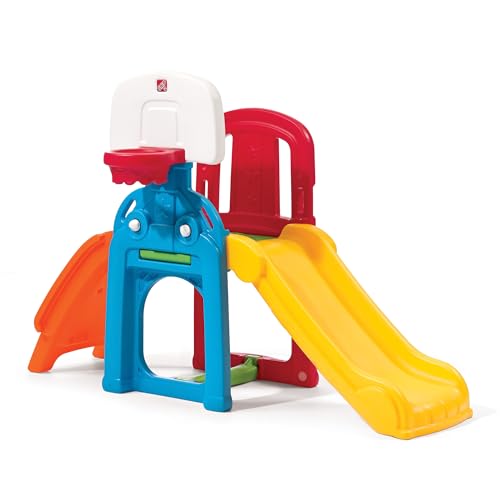
Step2 Game Time Sports Climber for Toddlers
Step2
Premium
Zupapa 6FT Climbing Dome for Kids (Blue, 6FT) indoor/outdoor
Zupapa
Premium
VEVOR Climbing Dome 6FT Geometric Dome Climber for Kids
VEVOR
Mid-Range
Zupapa 2025 Decagonal Geo Dome Climber, 10ft diameter, 5ft height
Zupapa
Premium
Upgraded Kids' Climbing Net - 3ft x 6ft, 700 lb Load, Sky Blue
ANDEREW
Mid-Range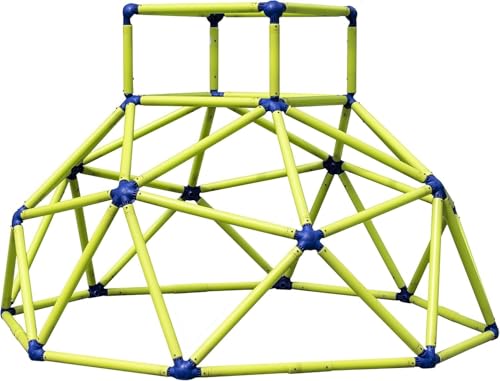
Eezy Peezy Monkey Bars Climbing Tower
Toymonster Ltd
Premium
Zupapa 10ft Climbing Dome for Kids
Zupapa
Premium
Extra Large 8-Piece Foam Climbing Block Set
Twinkoo
Premium
Upgraded Kids' Climbing Net - 3ft x 6ft, Navy Blue
ANDEREW
Mid-Range
Zupapa 10ft Climbing Dome for kids, outdoor jungle gym
Zupapa
Premium
Zupapa 10ft Climbing Dome Decagonal Geo Dome
Zupapa
Premium
Simplay Rock and Spin Sensory XL Wobble Disk Dome
Simplay
Mid-Range
Rock and Spin Sensory XL Wobble Disk Dome for Toddlers and Kids
Simplay
Mid-Range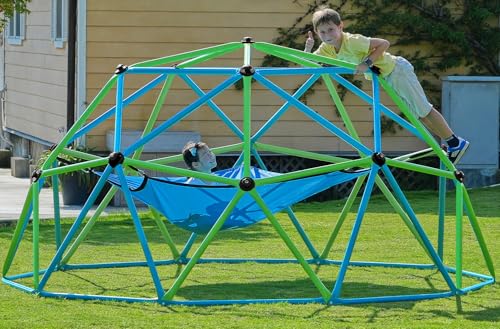
Zupapa 10ft climbing dome with hammock
Zupapa
Premium
VEVOR Climbing Dome 10ft Geometric Dome Climber for Kids
VEVOR
Premium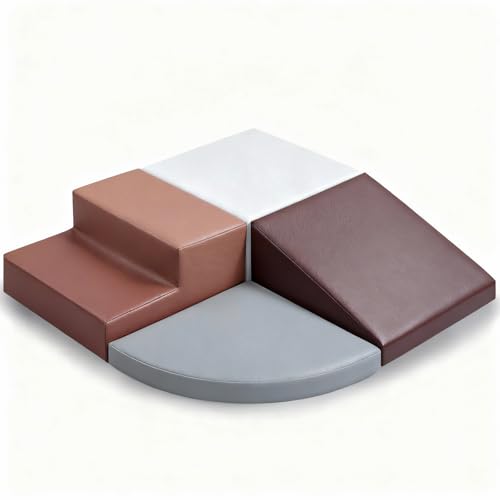
Sumbababy Toddler Climbing Foam Blocks 4 pcs
Sumbababy
Premium
Sumbababy Foam Climbing Blocks – 4 pc Soft Play Set
Sumbababy
Premium
Zupapa 10ft Climbing Dome - 2025 Decagonal Geo Dome (Green, 10ft)
Zupapa
Premium
Zupapa 10FT Climbing Dome – outdoor playground dome climber
Zupapa
Premium
6.2-Foot Outdoor Dome Climber Accessory (49x74 in) with Carabiner
JYGOPLA
Mid-RangeRoundups
Frequently Asked Questions
How do I choose the right playground climber for my child's age and skill level?
Match the climber's recommended age range and entry height to your child's development: simple low-angle ramps and small steps for toddlers (1–3 years), moderate slopes and handholds for preschoolers (3–5 years), and taller, more complex structures with multiple routes for school-age children (5+). Check weight limits and whether the design promotes balance, coordination, and upper-body strength appropriate to the child's ability
What safety features should I look for when buying a playground climber?
Look for rounded edges, non-slip surfaces, secure handrails or grips, guard rails on elevated platforms, reinforced anchoring or base stability, and compliance with widely used safety standards or guidelines; also ensure materials are free of sharp points and that connectors are covered or recessed to prevent entrapment
How much should I expect to spend on a playground climber and what affects the price?
Playground climbers commonly range from lower-cost small indoor/outdoor models under about (price varies) up to several hundred dollars for larger, heavy-duty units; price is driven by size, materials (plastic vs. metal/wood), brand, included accessories, and build quality
What materials are best for durability and weather resistance?
High-density polyethylene (HDPE) plastics and powder-coated steel resist rust and UV degradation better than untreated wood; if choosing wood, look for pressure-treated or rot-resistant species and a weatherproof finish, and verify rust-proof fasteners for metal components
How much space and what kind of surface do I need to install a climber safely?
Allow a clear use zone of several feet beyond the climber's outer edges (manufacturer guidelines often specify 6 feet or more) and install on impact-absorbing surfaces such as engineered wood fiber, rubber mulch, or safety mats rather than concrete or turf to reduce injury risk from falls
What maintenance is required to keep a playground climber safe over time?
Regularly inspect for loose bolts, worn handholds, cracks, rust, splinters, and UV-faded or brittle plastic; tighten hardware, replace damaged parts promptly, reapply protective finishes for wood, and keep the surrounding safety surface free of debris and properly leveled
Can indoor climbers be used outdoors and vice versa?
Not always—indoor climbers are typically made from lightweight plastics and materials that may not withstand prolonged sun, moisture, or temperature changes, while outdoor units use weather-resistant materials; choose a climber rated for the intended environment or store/cover it when not in use to extend lifespan