Prenatal Monitoring Devices
Prenatal monitoring devices for home use include fetal dopplers, wearable trackers, and contraction monitors designed to track fetal heartbeat and maternal signals. The category lists 112 indexed products with an average rating of 4.88, mid-range prices around $40–$90, and brands such as SUUVKING represented
Top Products

Fetal Heartbeat Doppler for Home Use by SUUVKING
SUUVKING
Mid-Range
Fetal Heartbeat Doppler Pregnancy Monitor by SUUVKING
SUUVKING
Mid-Range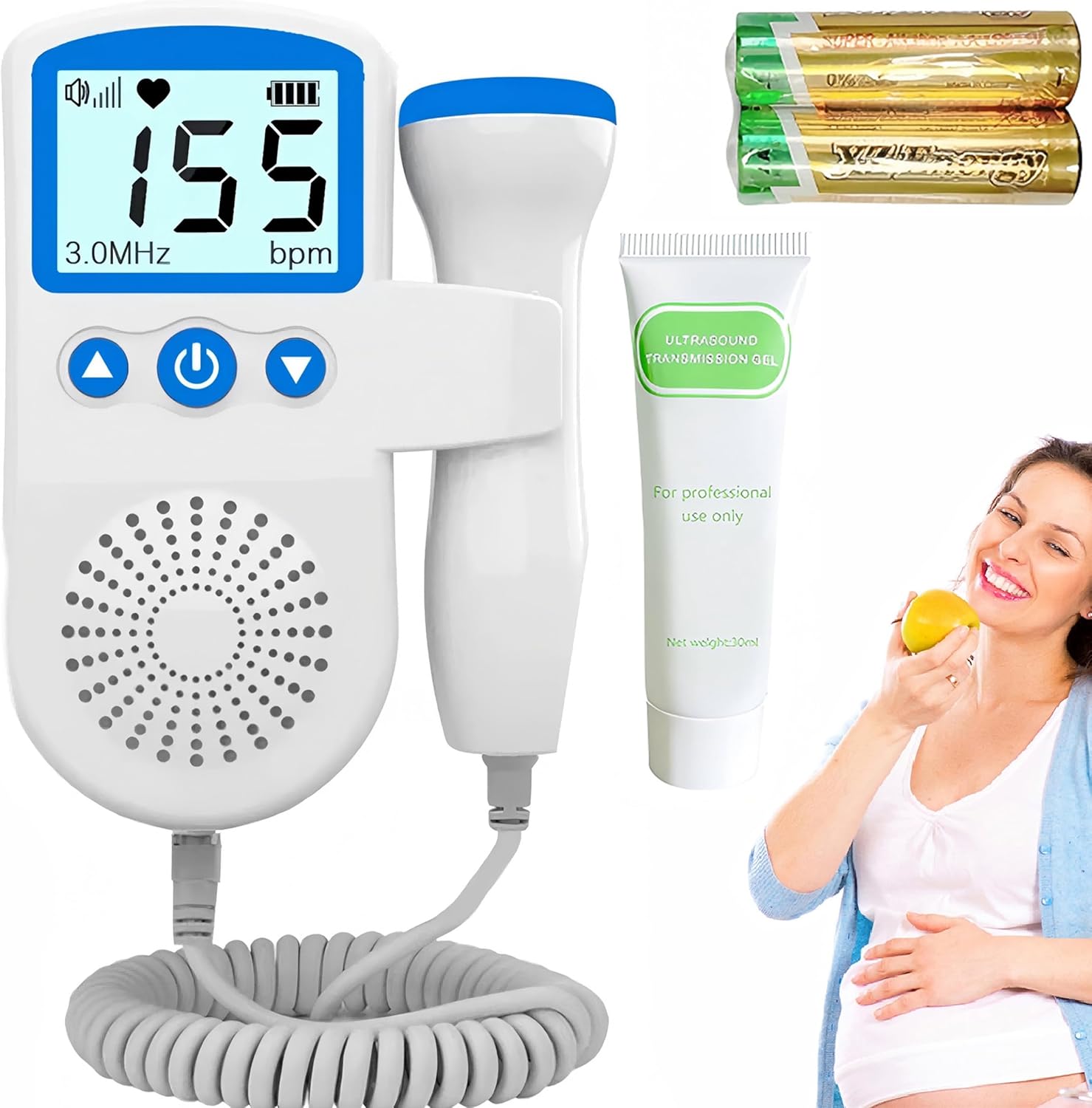
Fetal Heartbeat Doppler - Portable Pregnancy Monitor
SUUVKING
Mid-Range
Fetal Heartbeat Doppler Pregnancy Monitor (K2) by SUUVKING
SUUVKING
Mid-Range
Fetal Heartbeat Doppler – Portable FHR Monitor for Home Use
Jumtey
Mid-Range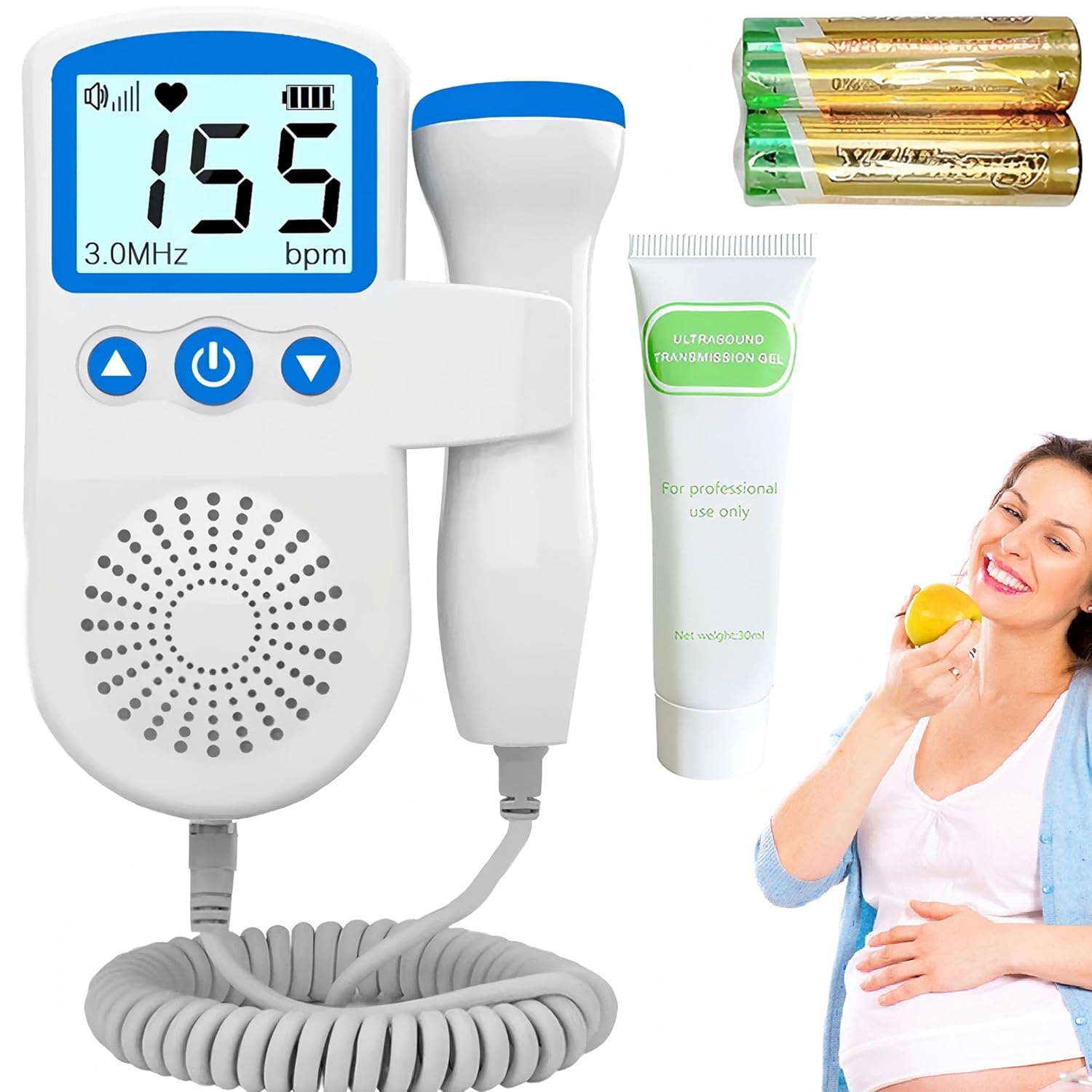
Bags for Baby Heartbeat Monitor Accessories Portable Doppler fetal monitor bag
SUUVKING
Mid-Range
Fetal Heartbeat Doppler - Portable Pregnancy Monitor by SUUVKING
SUUVKING
Mid-Range
Fetal Heartbeat Doppler – Portable Baby Monitor
KJZKJZ
Mid-Range
Bags for Baby Heartbeat Monitor Accessories Portable Doppler fetal Monitor
KJZKJZ
Mid-Range
Fetal Heartbeat Doppler – Portable Baby Monitor by KJZKJZ
KJZKJZ
Mid-Range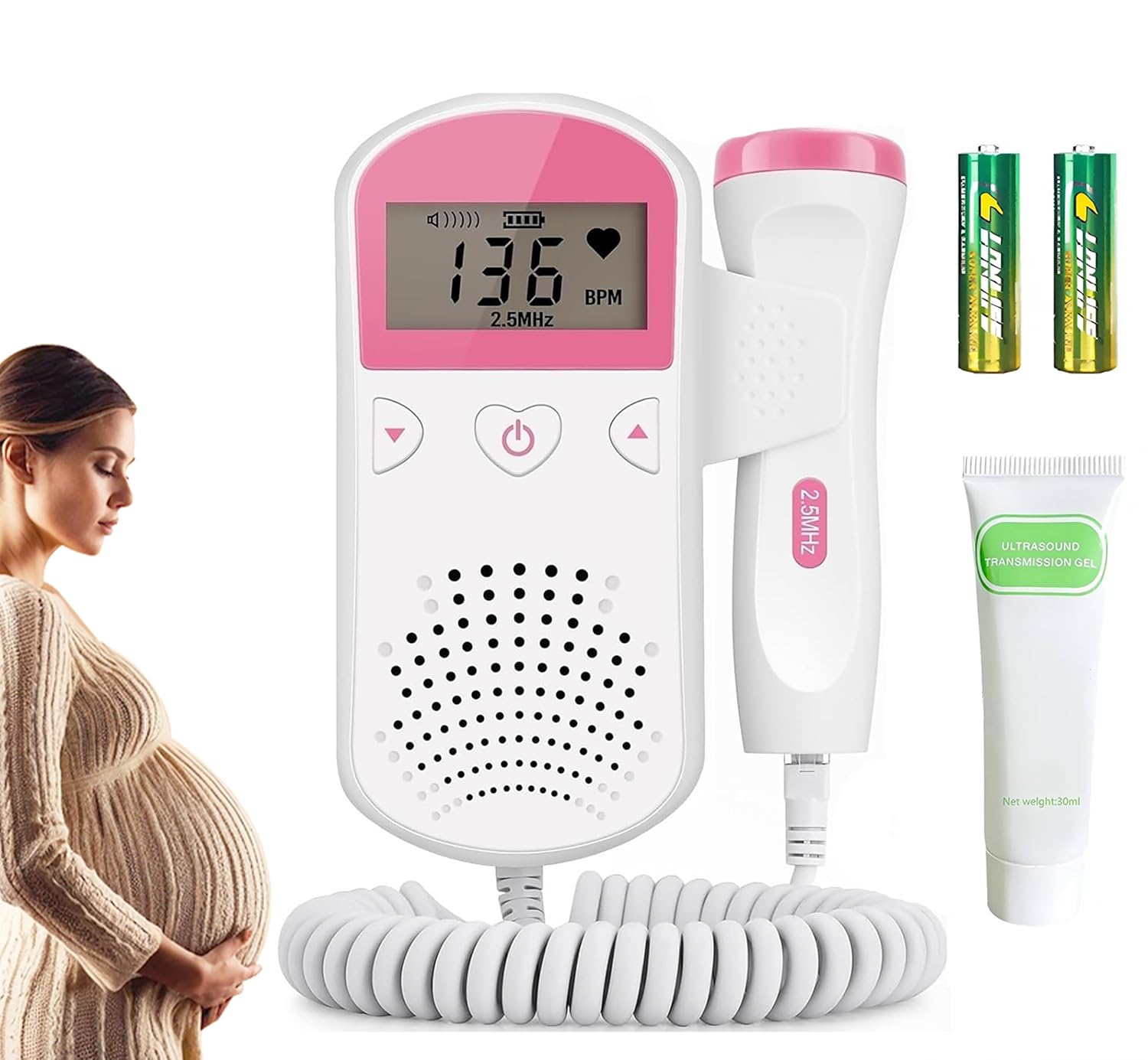
Bags for Baby Heartbeat Monitor Accessories Portable Doppler fetal Monitor Home use
SUUVKING
Mid-Range
Fetal Heartbeat Doppler – Portable Baby Monitor (K5) by SUUVKING
SUUVKING
Mid-Range
Bags for Baby Heartbeat Monitor Accessories Portable Doppler fetal Heartbeat Monitor Pregnancy Bag
KJZKJZ
Mid-Range
Fetal Heartbeat Doppler Pregnancy Monitor for Home Use
KJZKJZ
Mid-Range
Fetal Heartbeat Doppler – Portable Baby Monitor for Home Use
KJZKJZ
Mid-Range
Fetal Heartbeat Doppler Pregnancy Monitor
BFICKEXS
Mid-Range
Fetal Heartbeat Doppler – Portable Baby Monitor (K3) by SUUVKING
SUUVKING
Mid-Range
Fetal Heartbeat Doppler Baby Monitor, Portable at-Home use
SUUVKING
Mid-Range
Fetal Heartbeat Doppler – Portable Baby Monitor (K1) by SUUVKING
SUUVKING
Mid-Range
Fetal Heartbeat Doppler Pregnancy Monitor
SUUVKING
Mid-Range
Fetal Heartbeat Doppler - Portable Baby Monitor (KJZKJZ)
KJZKJZ
Mid-Range
Fetal Heartbeat Doppler – Portable Pregnancy Monitor (KJZKJZ)
KJZKJZ
Mid-Range
Premium Baby Bump Headphones for in-womb audio
Pixie Tunes
Mid-Range
Wireless Belly Speaker for Expecting Moms
KMConsolidated
Mid-RangeRoundups
Frequently Asked Questions
How do I choose the right prenatal monitoring device for home use?
Choose a device based on intended use (fetal heart rate monitoring vs. contraction tracking), clinical accuracy (look for FDA clearance or clinical study citations if available), ease of use, connectivity (Bluetooth or app features), battery life, and user reviews; consult your healthcare provider before relying on home monitoring for medical decisions
Are prenatal monitors safe to use during pregnancy?
Most consumer prenatal monitors that emit low-power ultrasound or use doppler technology are considered low risk for occasional use, but they should not replace professional prenatal care; follow manufacturer instructions, limit unnecessary exposure, and talk with your clinician about appropriate use
What features matter most when comparing models?
Key features include measurement type (fetal heart rate, uterine activity), signal accuracy and filtering, display clarity, data logging and export, battery life, headset/speaker options, waterproofing for probes, and compatibility with smartphones or cloud apps for tracking
How much should I expect to spend and are there budget-friendly options?
Prices for consumer prenatal monitors typically range from budget models under $50 to higher-end units over $150; basic doppler monitors are commonly the most affordable, while devices with app integration and advanced analytics cost more
Can I rely on home prenatal monitoring instead of visiting my healthcare provider?
No — home monitors can provide supplemental information but are not a substitute for regular prenatal appointments, clinical fetal surveillance, or immediate medical evaluation if you notice decreased fetal movement, alarming readings, or other concerns
How should I care for and maintain a prenatal monitoring device?
Keep probes and sensors clean per manufacturer instructions (typically with mild soap/water or alcohol wipes), avoid submerging non-waterproof units, store in a dry cool place, replace batteries as recommended, and check cables and mounts for wear before each use
What accuracy and limitations should I expect from consumer prenatal monitors?
Consumer devices can reliably detect fetal heart tones in many pregnancies but may produce false readings, miss signals in early gestation or with high maternal BMI, and are less accurate than clinical monitors; use readings as general information and confirm concerns with a clinician