Toy Tea Sets
Toy tea sets for babies and kids include pretend-play tea parties, wooden and plastic sets, and role-play accessories aimed at toddlers and young children. The 22 indexed products average a 4.72 rating and range about $33–$60, with brands like Jewelkeeper represented
Top Products

Kindi Kids Kirstea & Tea Party Set
Kindi Kids
Mid-Range
Steep and Serve Wooden Tea Set for two
Melissa and Doug
Mid-Range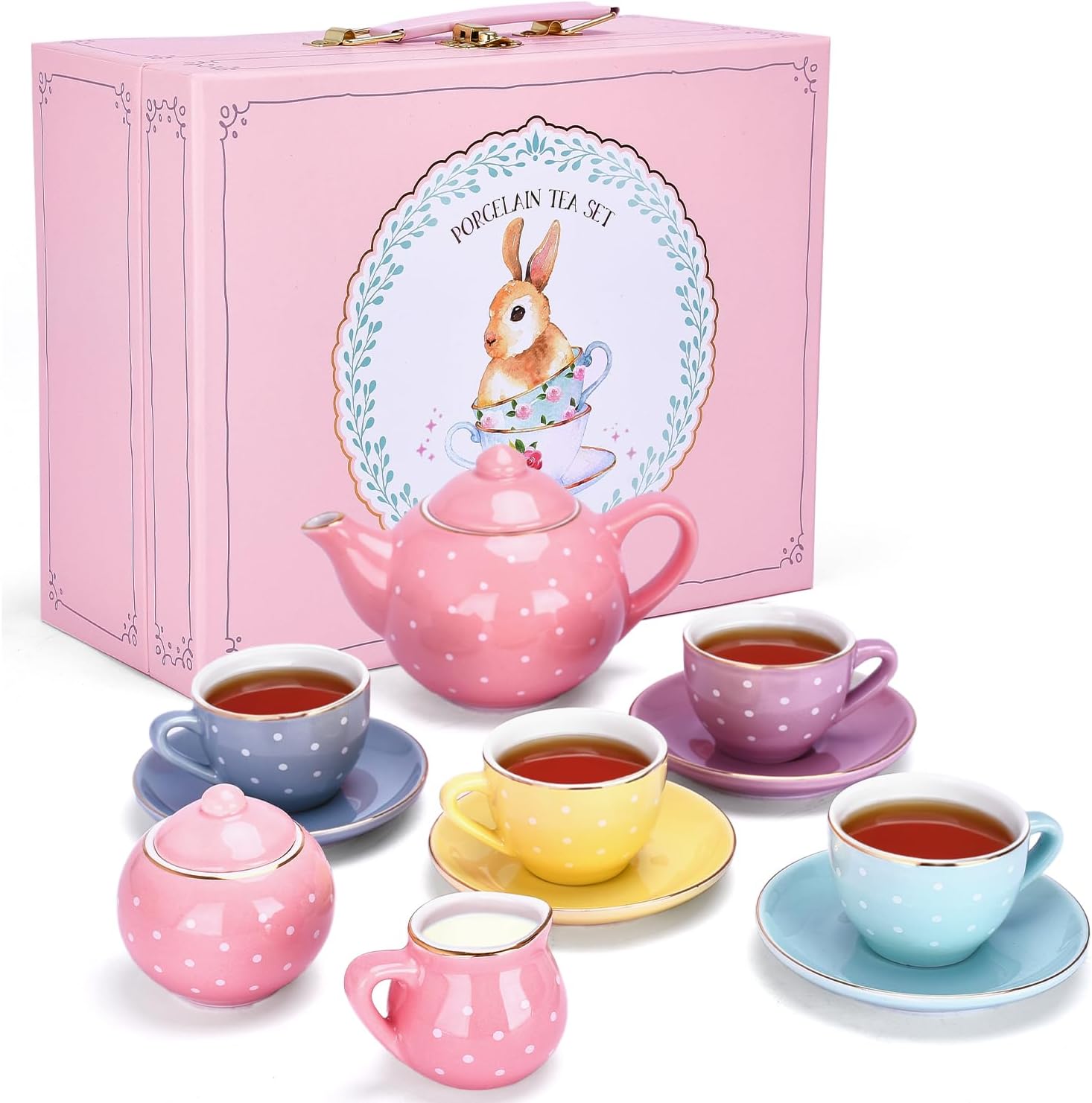
Jewelkeeper 13-Piece Porcelain Tea Set for Girls
Jewelkeeper
Budget
Jewelkeeper 14-Piece Porcelain Tea Set for Girls
Jewelkeeper
Budget
Jewelkeeper Toddler Tea Set with Carrying Case
Jewelkeeper
Budget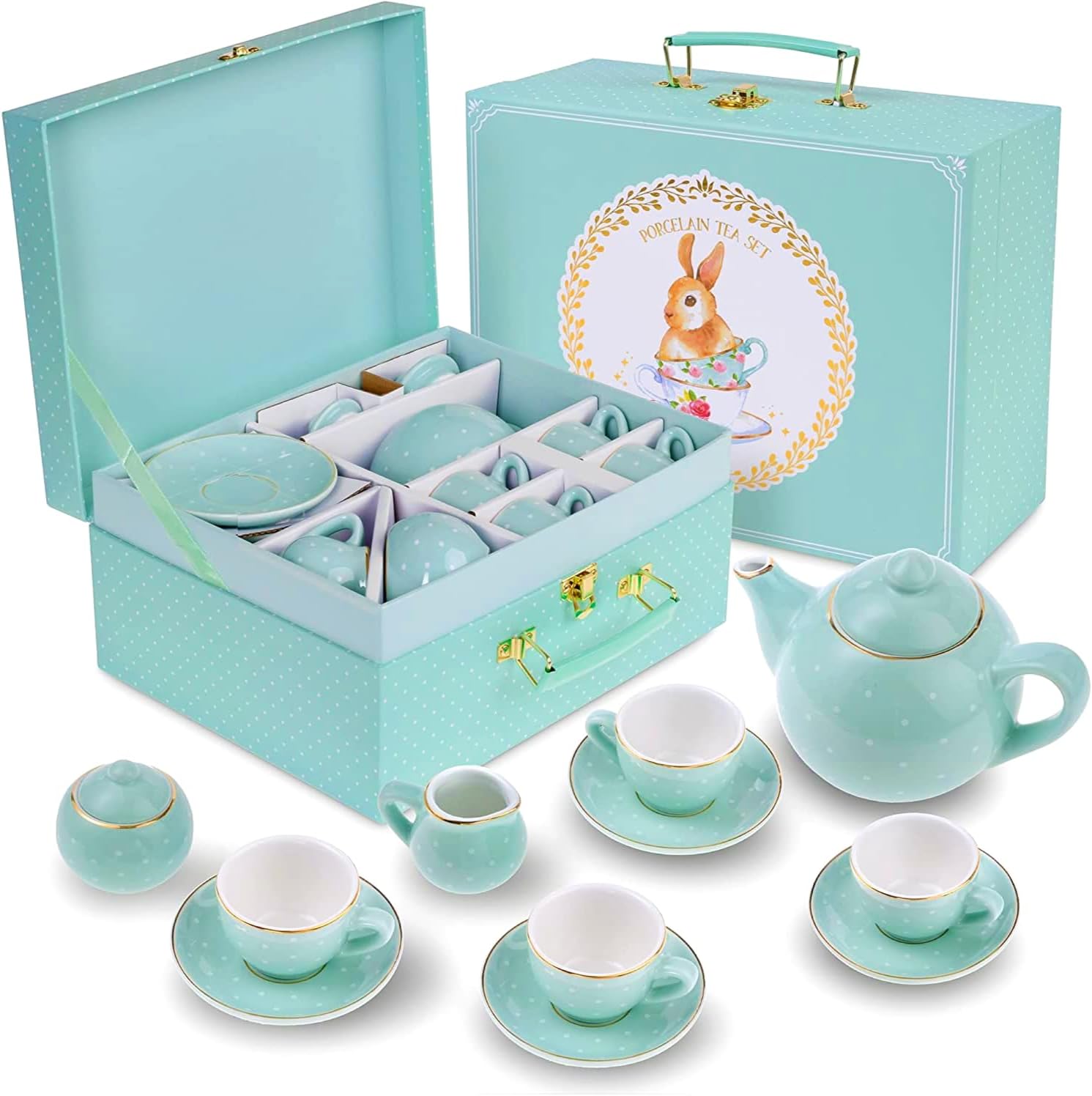
Jewelkeeper 13-Piece Toddler Porcelain Tea Set with Case
Jewelkeeper
Budget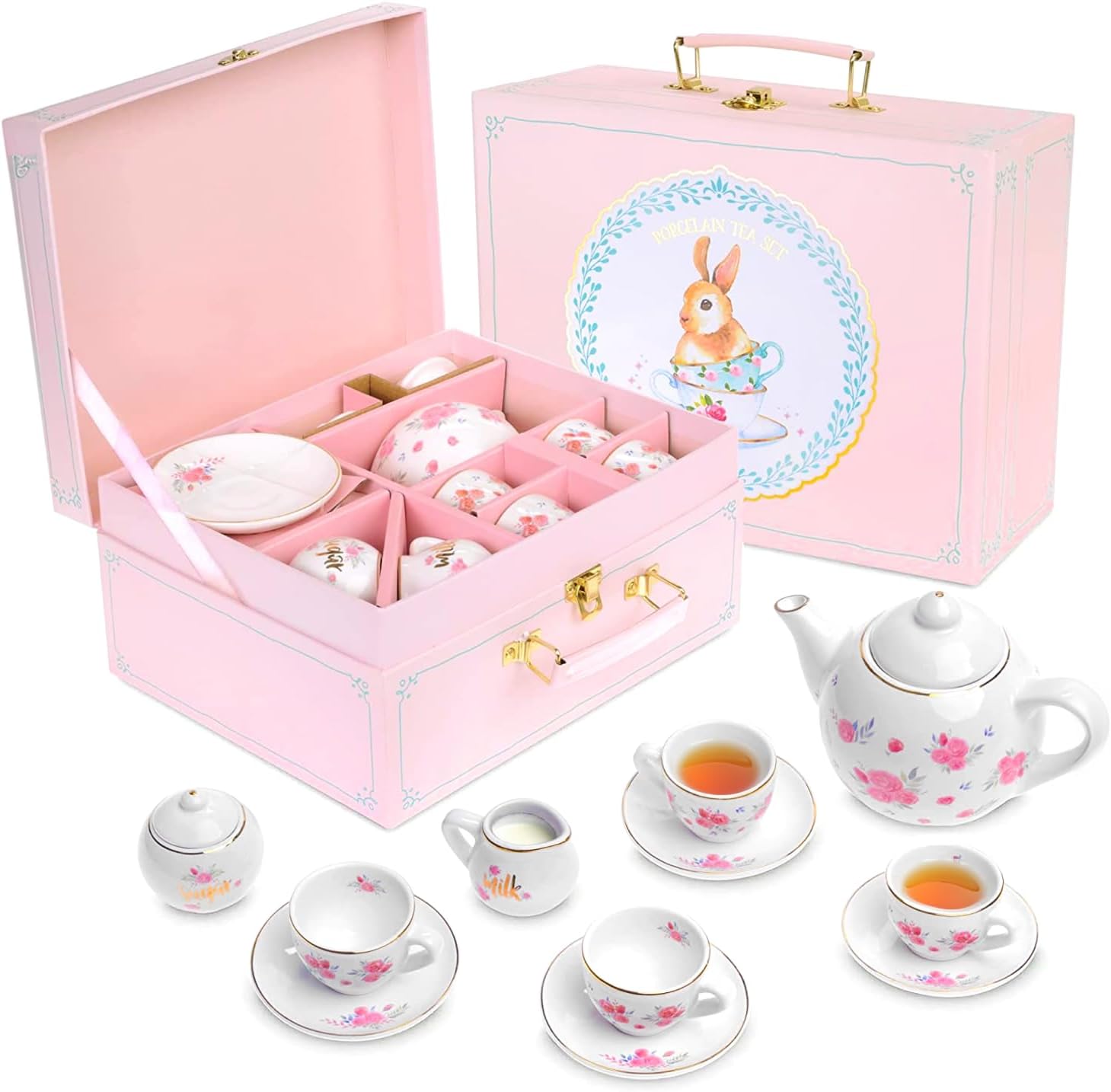
Jewelkeeper Porcelain Tea Set with Pink Picnic Basket (13 pcs) for Girls
Jewelkeeper
Budget
Jewelkeeper 15-Piece Unicorn Tea Party Set for Kids
Jewelkeeper
Budget
Unicorn Tea Party Set for Kids - Teapot, Cups, Plates for Tea Time
Joyin Inc
Budget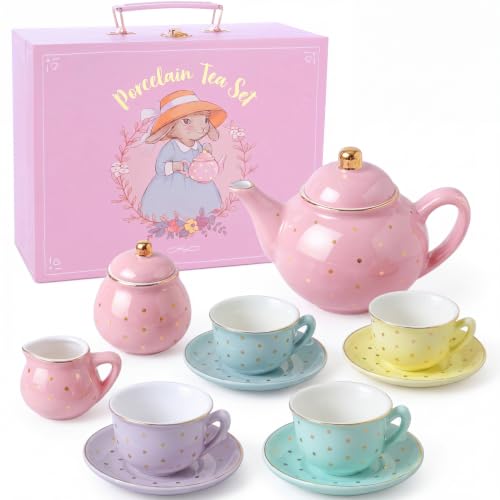
Porcelain Girls Tea Set with Carry Case
Giggle & Honey
Budget
Porcelain Girls Tea Set with Carry Case
Giggle & Honey
Budget
Wooden Tea Party Set for Toddlers (34 pcs) pretend play
Zhejiang Mingsen Toys Co.,Ltd
Budget
Porcelain Tea Set for Toddlers and Girls
Sweejar
Budget
Wooden tea set for toddlers with teapot and accessories
Airlab
Budget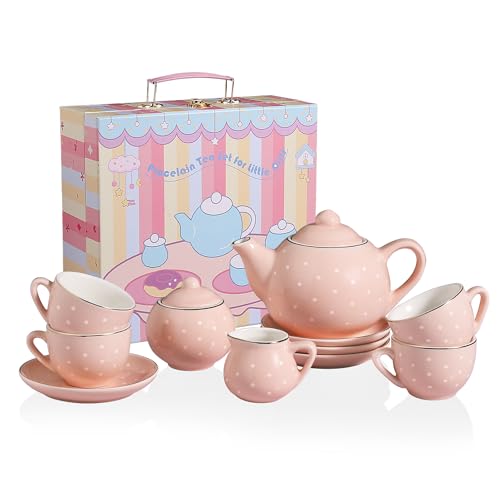
Sweejar Porcelain Tea Set for Girls – 4-Piece Includes Teapot, Cups, Saucers
Sweejar
Budget
Porcelain toy tea set for kids, 4-person with teapot and accessories
Sweejar
Budget
Sweejar Porcelain Tea Set for Kids (Turquoise) – 4-Piece Plus Accessories
Sweejar
Budget
Lonico Wooden Tea Party Set for Little Girls
Lonico
Budget
Porcelain Tea Set for Girls 6-8 with Carry Case, Teapot & Cups
TUZT
Mid-Range
Green Toys Tea Set
Green Toys
Mid-Range
Tea Party Set for Little Girls - 63pcs Pretend Play Toys
Aojieni
Budget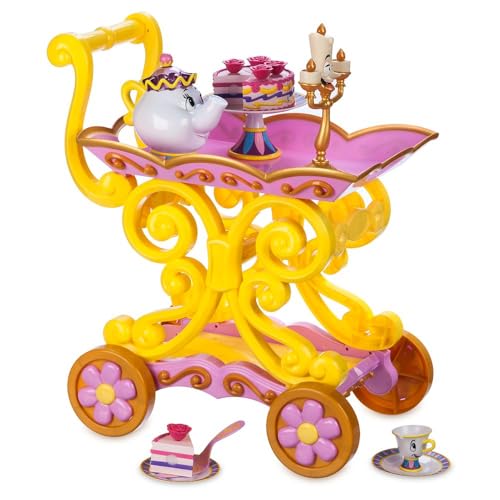
Disney Beauty and Beast tea cart set with Lumiere, Mrs Potts & friends
Disney
Mid-RangeRoundups
Frequently Asked Questions
What age range are toy tea sets suitable for?
Toy tea sets are commonly designed for toddlers and preschoolers, typically labeled for ages 18 months to 5 years, but some sets with small parts are intended for 3+ years; check the manufacturer age recommendation and small-parts warnings to ensure safety for the child
How do I choose between wooden, plastic, and metal tea sets?
Choose based on durability and safety: wooden sets are sturdy and often painted with non-toxic finishes, plastic sets are lightweight and washable, and metal sets offer realistic feel but can be heavier; verify materials are BPA-free and non-toxic
Are toy tea sets easy to clean and maintain?
Many plastic and metal pieces wipe clean or are hand-washable; wooden pieces usually require gentle cleaning with a damp cloth and should not be soaked to avoid warping; check care instructions from the manufacturer for specific cleaning methods
What should I expect to pay for a quality toy tea set?
Prices vary by material, brand, and number of pieces; budget options are often under $20, mid-range sets commonly fall between $20 and $50, and higher-end or designer sets can be over $50; average price in this category is around the mid-(price varies)s
How many pieces should a good play tea set include?
A typical starter set includes 6–12 pieces such as a teapot, cups, saucers, a sugar bowl, and serving utensils; larger play sets may include play food, trays, or extras for group play—choose based on how many children will play together and storage needs
Do toy tea sets support developmental skills?
Yes; tea sets encourage imaginative play, social skills like sharing and role-play, and fine motor development through pouring, grasping, and manipulating small pieces; supervised play also helps language and cooperative interaction