Acrylic False Nail Liquids
This category covers acrylic liquid monomers and related liquids used for sculpting and applying acrylic false nails, with options spanning budget through mid-range price points (avg $61). Sixteen products are indexed with an average rating of 4.41; notable brands include MakarttPro and Kiara Sky
Top Products
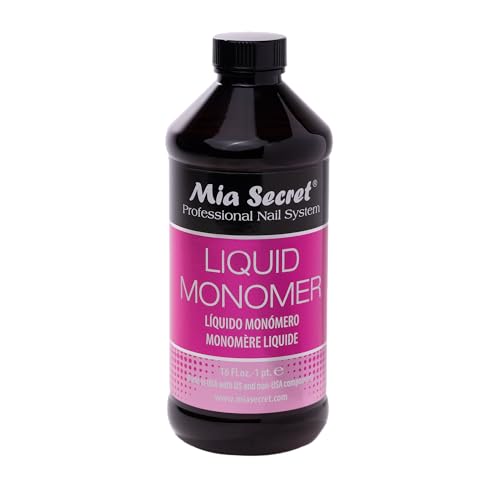
Mia Secret Liquid Monomer for Acrylic Nails
Mia Secret
Mid-Range
SAVILAND acrylic nail kit with everything for beginners
SAVILAND
Budget
Nomma Plus Professional Liquid Monomer for Acrylic Nails
DeEnti
Budget
Kiara Sky EMA Monomer - professional acrylic liquid
Kiara Sky
Mid-Range
Kiara Sky EMA Monomer - Professional Acrylic Nail Liquid
Kiara Sky
Mid-Range
MakarttPro Low Odor MMA Free Acrylic Nail Liquid 16 oz
MakarttPro
Budget
MakarttPro Banana Scented Acrylic Monomer 16oz
MakarttPro
Mid-Range
Strawberry-Scented Monomer for Acrylic Nails (16oz) - MMA-Free
MakarttPro
Mid-Range
Young Nails Nail Liquid - Monomer for Acrylic Nails
Young Nails
Mid-Range
MakarttPro Scented Monomer for Acrylic Nails
MakarttPro
Mid-Range
Low Odor MMA Free Monomer for Nail Techs, 32 fl oz
MakarttPro
Mid-Range
Acrylic Nail Kit with 10 Powders, Lamp, Liquid, Brushes & Drill
Saviland
Mid-Range
Tones Watermelon Scented EMA Monomer - Non-Yellowing, MMA-Free
TONES
Premium
SAVILAND Acrylic Nail Kit with Everything
SAVILAND
Mid-Range
V Beauty Pure Monomer Acrylic Nail Liquid (32 oz)
V Beauty Pure
Premium
KIARA SKY EMA Monomer - Professional Acrylic Liquid (128 oz)
KIARA SKY
PremiumRoundups
Frequently Asked Questions
What types of acrylic liquids are there and how do I choose the right one?
There are monomer liquids for traditional powder-and-liquid acrylic application and specialized formulations (e.g., odor-reduced, fast-setting, or scented). Choose based on your skill level and workflow: regular monomer for standard sculpting, odor-reduced for sensitivity or small spaces, and fast-setting if you want quicker cure times
How do I match acrylic liquid viscosity to my nail technique?
Viscosity ranges from thin (wet) to thick (dry); thin liquids spread easily and are better for building smooth, seamless overlays, while thicker liquids give more control and are preferred for detailed sculpting or bead placement. Pick a viscosity you can control comfortably and adjust by trying small quantities before full application
What safety and ventilation precautions should I follow when using acrylic liquids?
Work in a well-ventilated area and avoid prolonged inhalation of vapors; use a fan or exhaust and consider a respirator rated for organic vapors if exposure is frequent. Wear nitrile gloves to protect skin, avoid direct contact, and store liquids in tightly sealed containers away from heat and flame
How long does acrylic liquid typically take to set and what affects setting time?
Setting time depends on the liquid’s formulation, powder-to-liquid ratio, ambient temperature, and humidity; typical polymerization completes in a few minutes for standard systems, with bead working time ranging from seconds to a couple of minutes. Lower temperatures and higher humidity generally slow curing, while fast-setting formulations and warmer conditions accelerate it
What should I look for in terms of compatibility with powders and nail systems?
Ensure the monomer liquid is intended for use with acrylic powders (check labeling for 'acrylic monomer' or similar); using non-compatible chemistries (e.g., gel-specific liquids) can lead to poor adhesion or improper curing. When possible, use liquids and powders from the same brand or confirm technical compatibility
How do price and product rating trends inform a purchase decision in this category?
Products in this category vary by formulation and brand; budget options are generally available under $50 while professional-grade or specialty liquids typically cost more. Consider average ratings (around 4.4 out of 5) alongside ingredient lists and reviews to balance cost and intended use
How should acrylic liquid be stored and what is its typical shelf life?
Store monomer liquids in a cool, dark place with the cap tightly sealed to limit evaporation and contamination; typical unopened shelf life is often 12–24 months, but check manufacturer guidance. Discard liquids that smell unusually strong, have become cloudy, or show signs of polymerization