Facial Creams & Moisturizers
A selection of facial creams and moisturizers for hydration, anti-aging, and skin-repair routines, spanning lightweight gels to richer night creams. Fourteen products are indexed with an average rating of 4.61, priced from $32 to $140 and including brands like Estée Lauder and Kiehl’s
Top Products

Clinique Dramatically Different Moisturizing Lotion+ (Dry to Dry Combination) with SPF 35
Clinique
Budget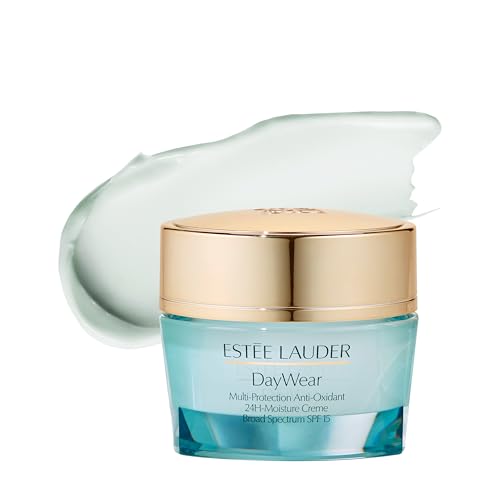
Estee Lauder DayWear Anti-Oxidant Moisturizer SPF 15
Estee Lauder
Budget
Kiehl's Ultra Facial Cream
Kiehl's
Mid-Range
Estee Lauder DayWear Anti-Oxidant 24H Moisture Cream SPF 15
Estee Lauder
Mid-Range
Clinique moisture surge sheertint hydrator with hyaluronic acid
Clinique
Mid-Range
Kiehl's Ultra Facial Cream
Kiehl's
Mid-Range
NuFACE Aqua Gel Activator for Microcurrent Devices
NuFACE
Budget
Meaningful Beauty Age Recovery Night Creme with Retinol
Meaningful Beauty
Mid-Range
Clinique Smart Clinical Repair Anti Aging Cream for Face & Neck
Clinique
Mid-Range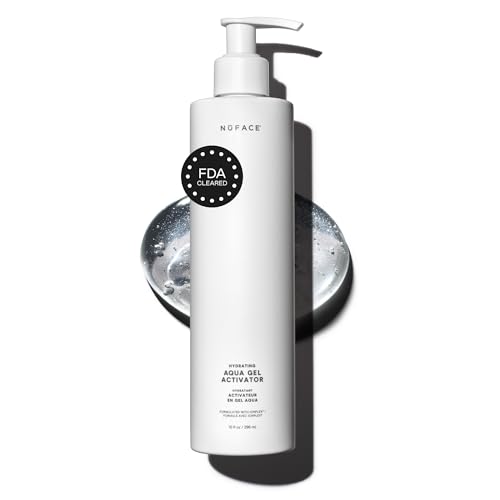
NuFACE Aqua Gel Activator for Microcurrent Devices
NuFACE
Mid-Range
Meaningful Beauty Age Recovery Night Creme with Retinol
Meaningful Beauty
Mid-Range
Bee Venom Skin Treatment Cream (2 Bottle) by bostore
bostore
Mid-Range
Clarins Multi-Active Day Moisturizer with Niacinamide
Clarins
Premium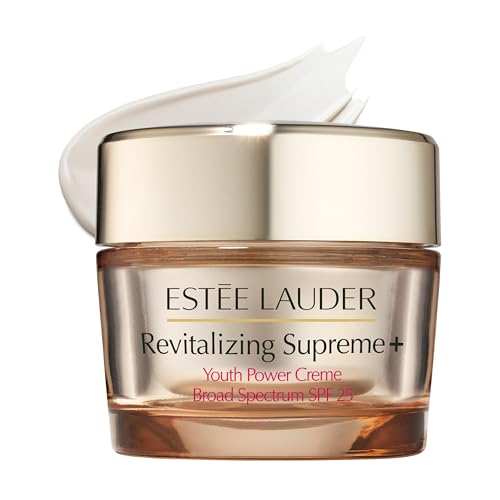
Estee Lauder Revitalizing Supreme+ Youth Power Cream SPF 25
Estee Lauder
PremiumRoundups
Frequently Asked Questions
How do I choose the right facial cream or moisturizer for my skin type?
Match formulation to skin type: lightweight, oil-free gels or lotions for oily/combination skin; richer creams or balms for dry skin; fragrance-free, non-comedogenic formulas for sensitive or acne-prone skin. Check ingredient lists for actives you want (e.g., hyaluronic acid for hydration, ceramides for barrier repair, retinoids for anti-aging) and perform a patch test if you are unsure
What price range should I expect for quality facial moisturizers in this category?
Moisturizers in premium beauty & grooming lines commonly fall across a mid-to-high price range; budget options are often under $50 while many dermatologist-backed or prestige creams average above $50, with some specialty formulations costing more. Consider cost per ounce and concentration of active ingredients when comparing value
Which ingredients should I look for or avoid based on common skin concerns?
Look for hyaluronic acid and glycerin for hydration, ceramides and niacinamide for barrier support and redness reduction, SPF for daytime protection, and peptides or retinoids for aging concerns. Avoid known irritants if you have sensitive skin, such as high concentrations of fragrance, denatured alcohol, or strong essential oils
How should I layer a facial cream with other skincare products in my routine?
Apply treatments (serums, spot treatments) first to clean skin, then use lighter lotions and gels before heavier creams; daytime routines should finish with broad-spectrum SPF if the cream doesn't contain it. Allow each layer to absorb briefly to avoid pilling
How long will it take to see results from a new moisturizer and how should I test it?
Immediate hydration effects are often noticeable within hours, while improvements in texture, barrier repair, or reduced fine lines typically take 4–12 weeks of consistent use. Do a 1–2 week patch test on a small area and then use the product as directed for at least several weeks to evaluate efficacy
Are there specific moisturizing choices for acne-prone or oily skin?
Choose non-comedogenic, oil-free or water-based formulations that provide hydration without heavy oils; look for ingredients like niacinamide and salicylic acid (in light concentrations) to help control oil and reduce breakouts while maintaining moisture
What storage and shelf-life best practices should I follow for facial creams?
Store creams in a cool, dry place away from direct sunlight and heat; keep lids tightly closed to reduce oxidation and contamination. Many opened skincare products are best used within 6–12 months—check packaging for a period-after-opening symbol or manufacturer guidance