Facial Sunscreens
Facial Sunscreens in Beauty & Grooming covers chemical and mineral SPF formulations, tinted and clear lotions, and skin-care hybrids designed for daily face use. The catalog includes 226 products averaging a 4.48 rating, with mid-range to premium prices (about $32–$130) and brands like Colorescience represented
Top Products
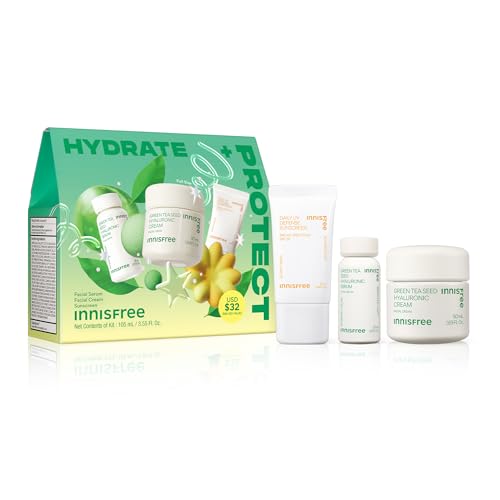
Innisfree Daily UV Defense SPF 36 facial sunscreen
innisfree
Budget
EltaMD UV Daily Face Sunscreen Moisturizer with SPF
EltaMD
Mid-Range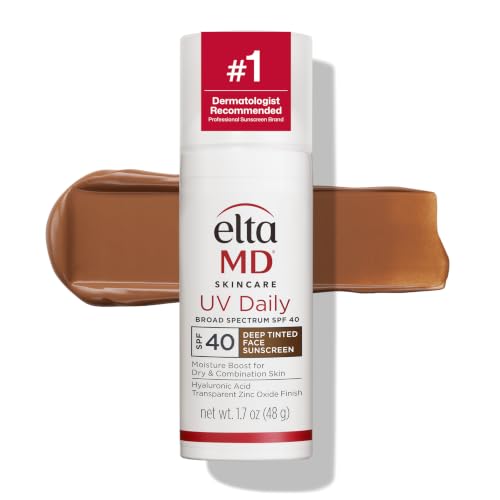
EltaMD UV Daily Face Sunscreen Moisturizer with Zinc Oxide
EltaMD Skin Care
Mid-Range
Unseen Clear SPF 40 Sunscreen Primer
Supergoop!
Mid-Range
Unseen Sunscreen SPF 50 with makeup-gripping primer
Supergoop!
Mid-Range
Glowscreen SPF 40 Dawn – dewy primer sunscreen
Supergoop!
Mid-Range
EltaMD UV Clear SPF 46 sunscreen for sensitive skin
EltaMD
Mid-Range
Eight Saints SPF 30 Mineral Face Moisturizer
Eight Saints
Budget
Glowscreen SPF 40 Sunrise - Dewy Primer Sunscreen
Supergoop!
Mid-Range
Innisfree Daily UV Defense SPF 36 sunscreen
Budget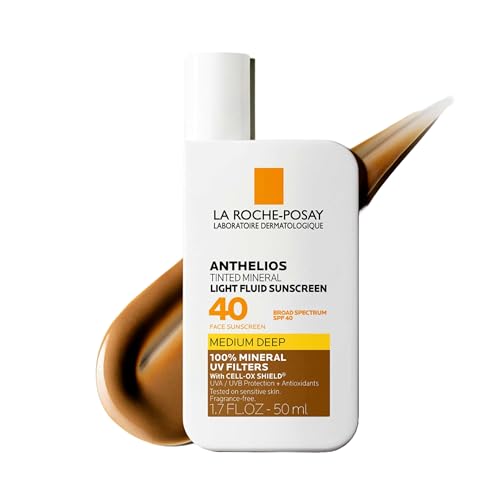
La Roche-Posay Anthelios Ultra-Light Fluid SPF 50 Face Sunscreen
La Roche Posay
Mid-Range
EltaMD UV Daily Face Sunscreen Moisturizer with SPF
EltaMD
Mid-Range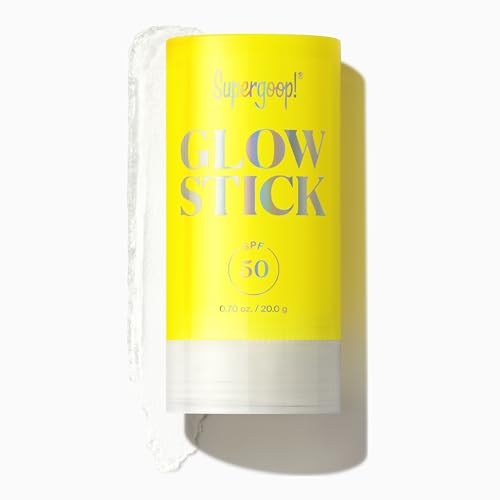
Glow Stick SPF 50 Dry Oil Sunscreen for Face & Body
Supergoop!
Budget
Unseen Sunscreen SPF 50 - Clear Face Sunscreen & Primer
Supergoop!
Mid-Range
EltaMD UV Clear tinted sunscreen SPF 46
EltaMD Skin Care
Mid-Range
La Roche-Posay Anthelios SPF 50 Ultra-Light Fluid Face Sunscreen
La Roche-Posay
Mid-Range
EltaMD UV Clear Face Sunscreen SPF 46 – Oil-Free with Zinc Oxide
EltaMD
Mid-Range
La Roche-Posay Anthelios Sunscreen SPF 50 Ultra-Light Fluid
La Roche Posay
Mid-Range
Anti Aging Face Sunscreen SPF 50 with Green Tea & Hyaluronic Acid
JAXON LANE, INC.
Budget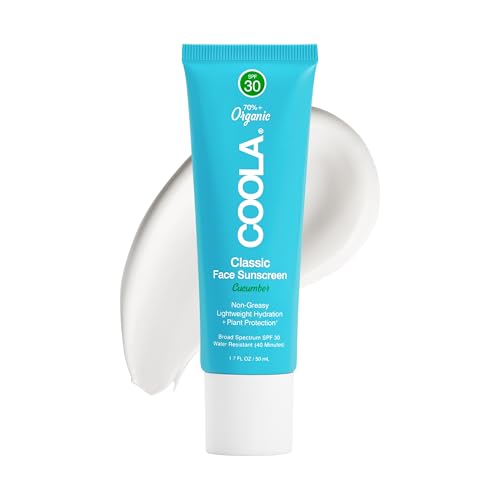
COOLA Organic Face Sunscreen SPF 30 - Daily lightweight sunblock lotion
Coola
Budget
COOLA Organic Face Sunscreen SPF 50 Lotion
COOLA Suncare
Budget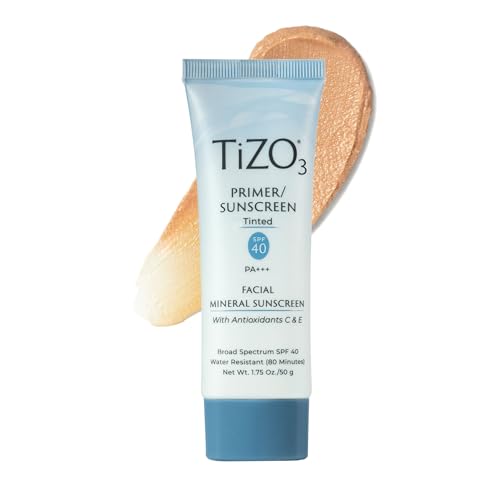
TiZO3 Facial Mineral Sunscreen & Primer, SPF 40, Fragrance-Free
Tizo
Mid-Range
Glowscreen SPF 40 Sunset Deep Bronze Glow
Supergoop!
Mid-Range
Glowscreen SPF 40 Golden Hour (Bronze Glow) facial sunscreen
Supergoop
Mid-RangeRoundups
- Best Facial Sunscreens for Under Foundation (2026)
- Best Facial Sunscreens for Daily Makeup Prep (2026)
- Best Facial Sunscreens for Hydrating Sunscreen For Dry Skin (2026)
- Best Facial Sunscreens Under $200 (2026)
- Best Facial Sunscreens Under $100 (2026)
- Best Facial Sunscreens Under $50 (2026)
- Best Facial Sunscreens (2026 Guide)
Frequently Asked Questions
How do I choose the right SPF level for a facial sunscreen?
Choose SPF 30 or higher for daily protection; SPF 30 blocks about 97% of UVB while SPF 50 blocks about 98%, and higher SPFs offer marginal additional UVB protection but not complete coverage. For extended outdoor exposure or high UV index days, prefer SPF 50+ and reapply every two hours or after swimming/sweating
Should I pick mineral (physical) or chemical facial sunscreen?
Mineral sunscreens use zinc oxide or titanium dioxide to reflect UV rays and are often recommended for sensitive or acne-prone skin, while chemical sunscreens absorb UV energy and can have lighter textures and better cosmetic finish; choose based on skin sensitivity, texture preference, and any ingredient sensitivities
What formulation should I use for oily, dry, or acne-prone skin?
For oily or acne-prone skin, opt for non-comedogenic, oil-free gel or fluid formulas labeled lightweight or mattifying; for dry skin, choose creamier or hydrating formulations with humectants like glycerin or hyaluronic acid; for combination skin, consider a lightweight facial lotion or stick that balances hydration without excess oil
Are tinted facial sunscreens worth it and who should use them?
Tinted sunscreens provide added visible light and some UVA protection benefits and can offer light coverage to even skin tone, making them useful for people who want minimal makeup or additional protection against pigmentation; choose shades that match your skin and test for flashback in photos if needed
How much facial sunscreen should I apply and how often?
Apply about a nickel-sized amount (approximately 1/4 to 1/2 teaspoon) to the face and neck, covering all exposed areas, and reapply every two hours when outdoors or immediately after swimming or heavy sweating; use daily even on cloudy days for consistent protection
Do facial sunscreens interact with other skincare products like retinol or vitamin C?
Sunscreen is compatible with most daytime skincare; apply antioxidant serums (like vitamin C) first, allow absorption, then sunscreen; retinol is typically used at night, but if you use retinol in the morning, ensure you apply a broad-spectrum sunscreen afterward because retinol can increase sun sensitivity
What should I consider if I have sensitive or allergy-prone skin?
Look for formulations labeled for sensitive skin, fragrance-free, and with minimal active ingredients; mineral sunscreens with zinc oxide are often better tolerated, and patch testing a new product on a small skin area before full-face use can help identify reactions